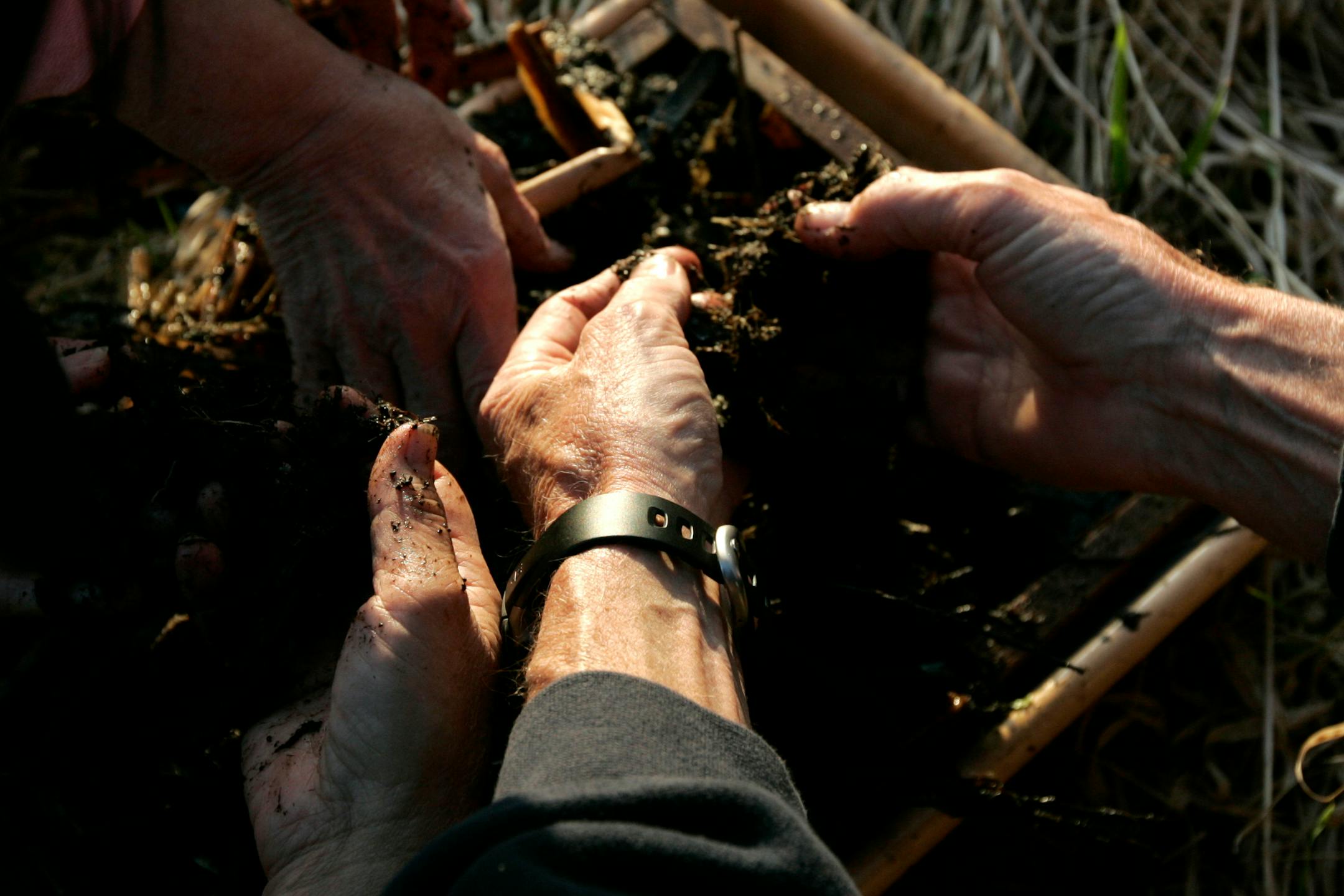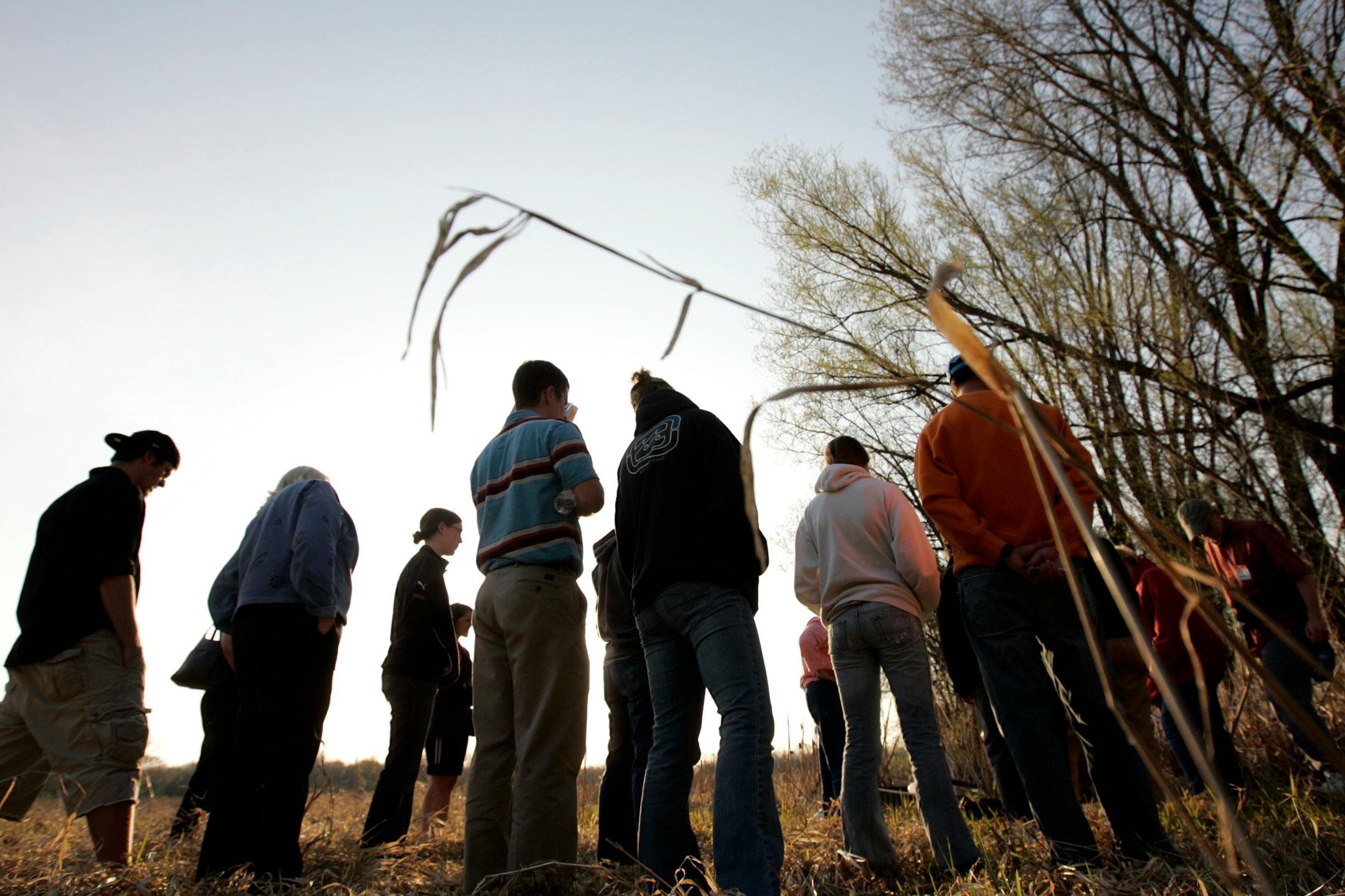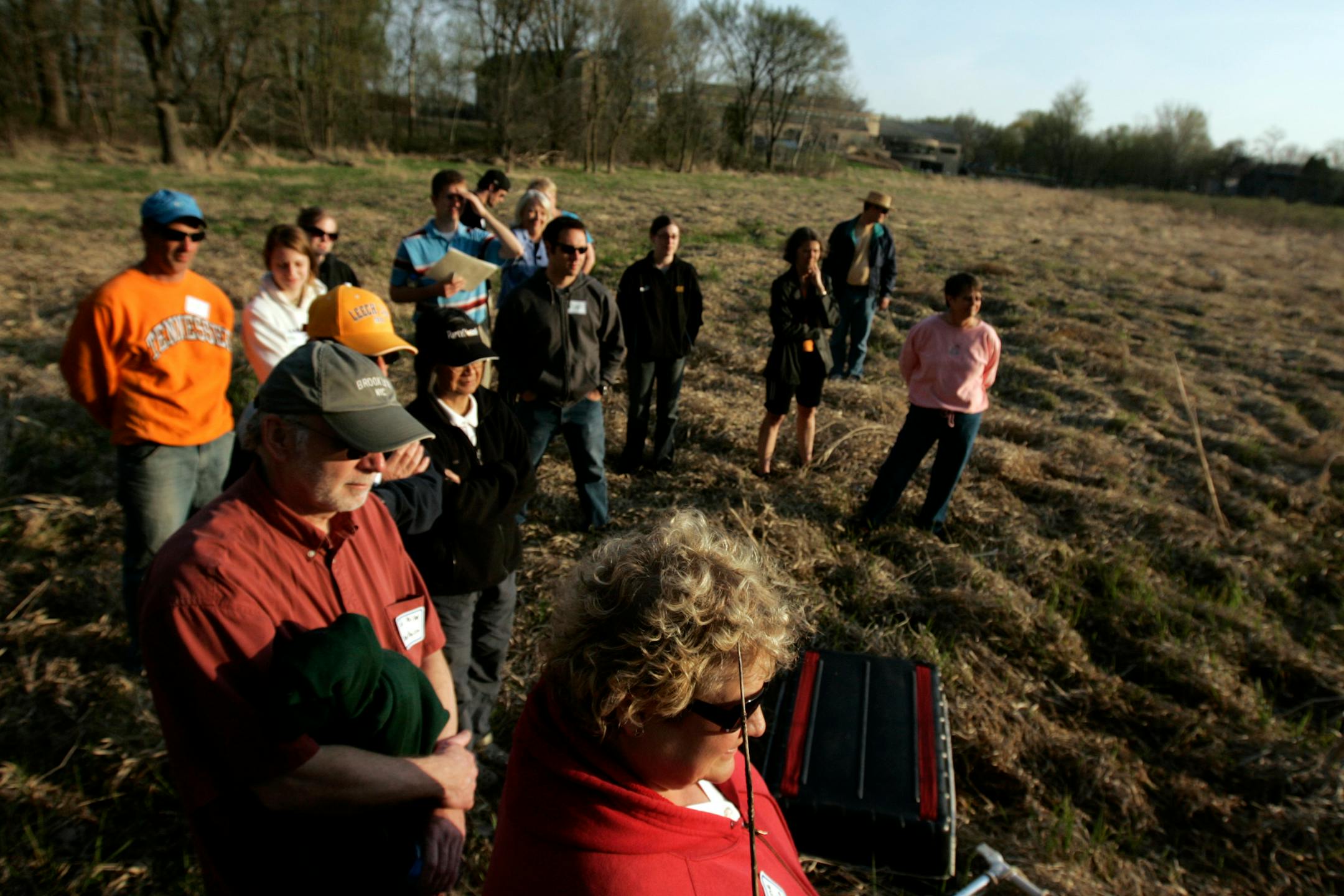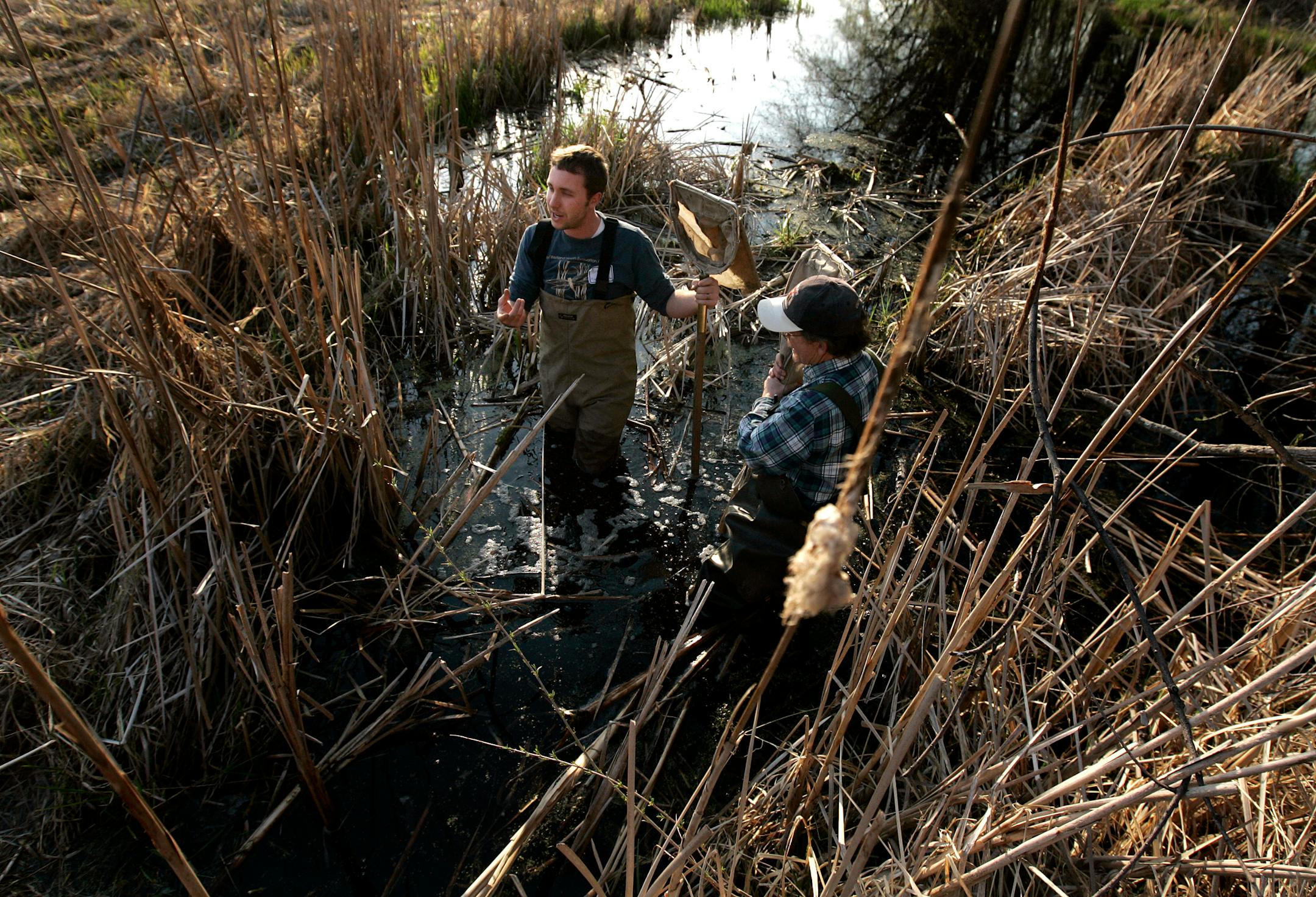
Wearing hip boots, clutching dip nets and bearing bottle traps, more than 40 volunteers will fan out across the western suburbs in June to take readings on the tiny water organisms and plant life that reflect a wetland's health.
Looking to have fun and learn something, too, the volunteers get eight hours of training to properly identify the plants and animal life they find. The more diverse the aquatic life it supports, the healthier the wetland.
Because their readings may prompt a city to protect or even restore a local wetland, "you feel like you are doing some good," said Chris Carlson of Minnetonka, a six-year wetland volunteer.
Minnesota has more than 10 million acres of wetlands, compared with 2.5 to 3 million acres of lakes. The marshy lowlands are a home for wildlife, a stopover for migrating birds and a filter that cleans storm water before it goes into lakes and streams.
But annual wetland monitoring has fallen to volunteers because state money, time and energy is focused on keeping lakes and streams clean, said Mark Guerness, research scientist for the Minnesota Pollution Control Agency. "No one else is monitoring the quality of wetlands."
Hoping to fill this void, Hennepin and Dakota counties have been enlisting volunteers since 1997. Volunteers are recruited each year between February and May to be ready to take the field in June.
Dakota County has another group of 40 volunteers working in the southern suburbs.
The recruits are men and women of all ages with an interest in nature. They take their data collection seriously. But they also have fun.