

"Walking while black" is an expression well known to Americans of color, meaning you're more likely to be seen as a troublemaker because of your skin color. And it's a concept that parents start talking to their kids about -- especially boys -- well before they're old enough to encounter problems.
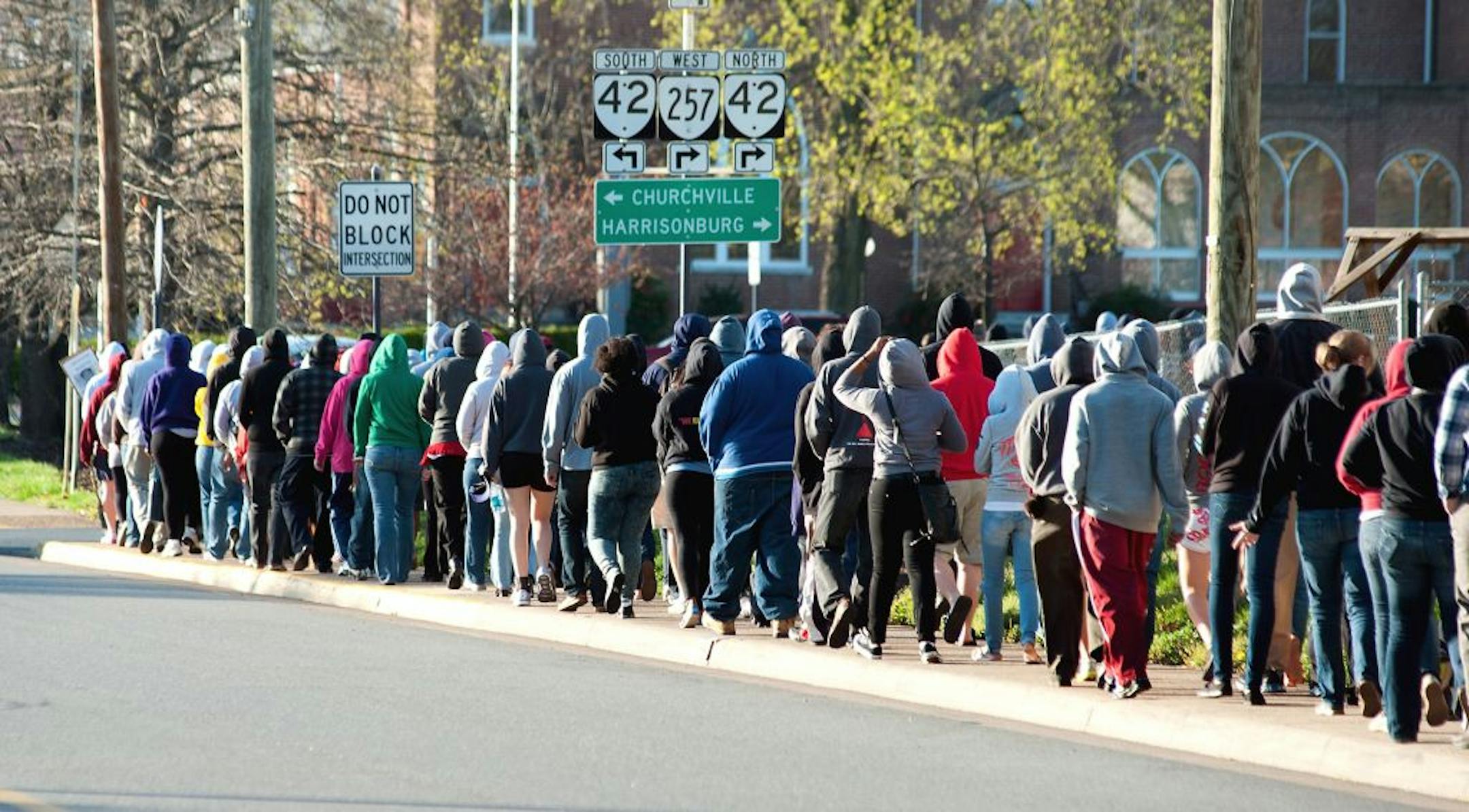
Such talks took on greater urgency in the wake of the killing of an unarmed Florida teen, Trayvon Martin, by a neighborhood watch captain on Feb. 26. The shooting has sparked protest marches nationwide; one is set for 6 p.m. Thursday in Minneapolis, beginning at the University of Minnesota's Northrop Auditorium.
New details emerged this week in which the watch captain, George Zimmerman, alleges that Martin punched him and slammed his head into the concrete after he followed Martin. Regardless of how the case plays out, some parents are drilling their children on how to recognize if they are being racially profiled, and how to minimize the chance of putting themselves at risk.
The Rev. Devin Miller, who is helping to organize Thursday's event, advises his children and "all young people to carry yourself as you want to be seen. Once you carry yourself that way, it's not up to you to convince someone you're OK."
Black youths must be constantly on their guard, Miller said. His counsel to young people of color: "When someone tries to impose themselves on you, self-defense or self-preservation is the first test. The next is to call an adult or call the police."
Miller thinks the Florida case has incited intense reaction because "we're at a tipping point in our country in regards to treatment of African-American males, both academically and publicly. When you look at schools, the incarceration rate, all these things have culminated in what happened to Trayvon. The problem is when people look at it as a statistic and fail to look at the humanity of the individual."
At 79, Naima Richmond, part-time receptionist at the University of Minnesota's Urban Research and Outreach-Engagement Center in north Minneapolis , recalls four generations of "walking while black" parental warnings.
"Back in the '30s, I remember my mother telling my brothers not to say anything or resist," she said. "It was happening when I was young, and it's still happening. We become victims of something we're not responsible for."


