

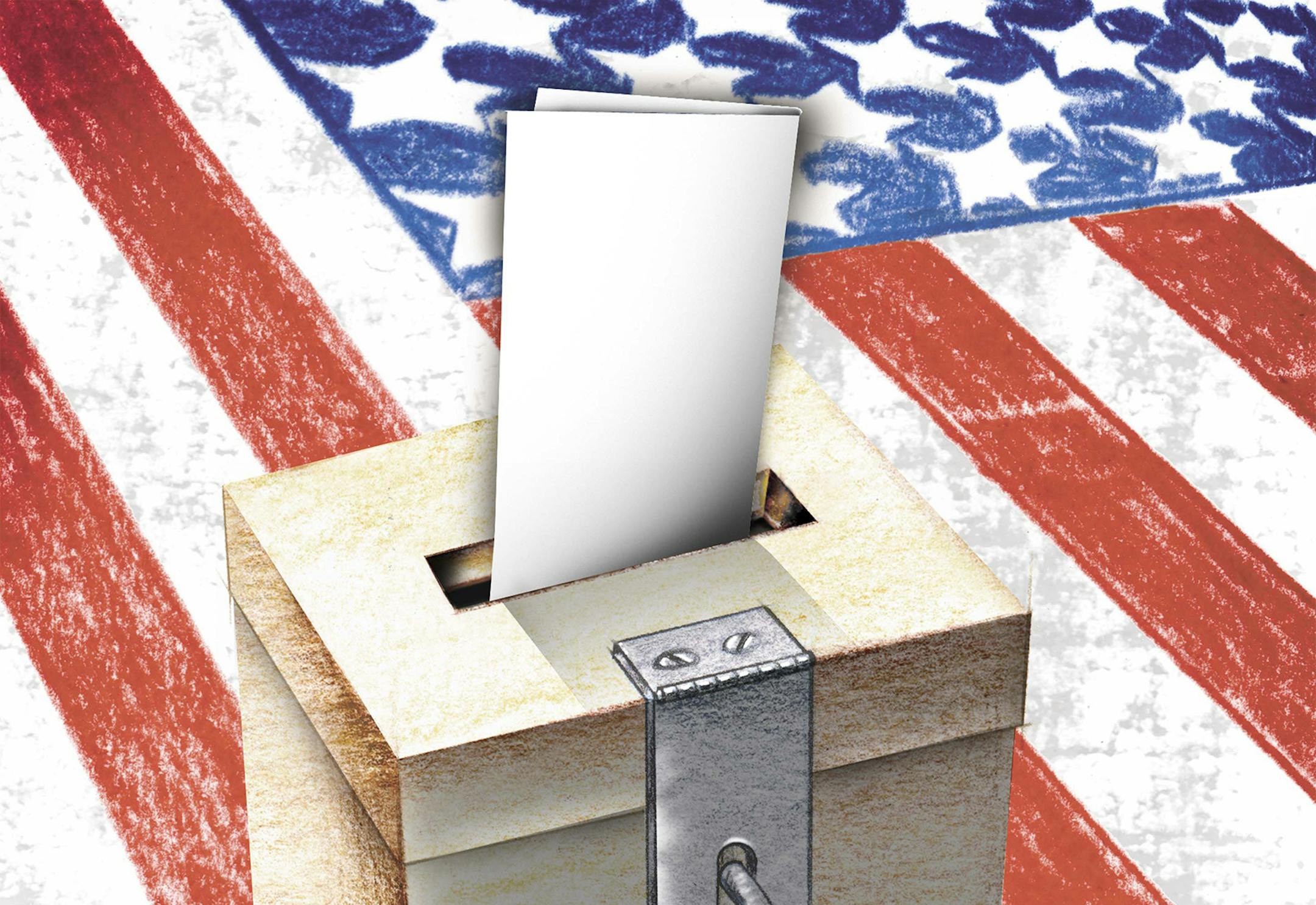
Antipathy toward constitutional amendments at the 2014 Legislature is understandable. In 2012, legislators were witness to the backfiring of two amendments that proponents believed would not only win voter approval, but also assure victory for the majority party that launched them.
That majority is now the Legislature's Republican minority, and its experience with amendments is seen as a cautionary tale by the DFLers who now hold majority gavels.
But at age 156 as of May 11, Minnesota is still a young state. Its self-governance remains a work in progress. Lawmakers ought not swear off improvements in the structure and workings of this representative democracy just because one party tried and failed to use the Constitution for matters better left to state statutes.
That's why we're rooting for two amendments to be sent to this fall's general election voters. One would replace contested judicial elections with so-called "retention" elections, allowing voters to remove a judge from the bench but not to install his or her replacement. The other would require future amendments to win support from 60 percent of the members of each legislative chamber before being placed on the ballot.
Both of these amendments are long shots to win legislative approval with fewer than three weeks remaining in the 2014 session. After the 2012 defeat of an amendment banning same-sex marriage and another requiring a government-issued photo ID to vote, legislators' chary feelings about amendments explain some of their hesitation.
In addition — particularly in the case of the judicial election change — the opposition of the anti-abortion lobby and the GOP right wing has become a roadblock. DFLers are loath to energize those groups this year in ways that propel them to the polls.
But it is precisely because special interests are itching to play politics with this state's judicial elections that the retention election amendment is needed. It would deny such groups the opportunity to fill the state's court benches with judges of their own choosing, and thereby erode the impartiality of Minnesota's courts.
Voters could still oust a sitting judge — and, under the amendment, would have an expert evaluation of judicial performance available to guide them. But the proposed change would allow a vacant bench to be filled only by a governor via a merit-based, impartial screening process, not interest-group politicking. A similar change in other states has suppressed interest groups' desire to spend large sums on judicial electioneering.


