

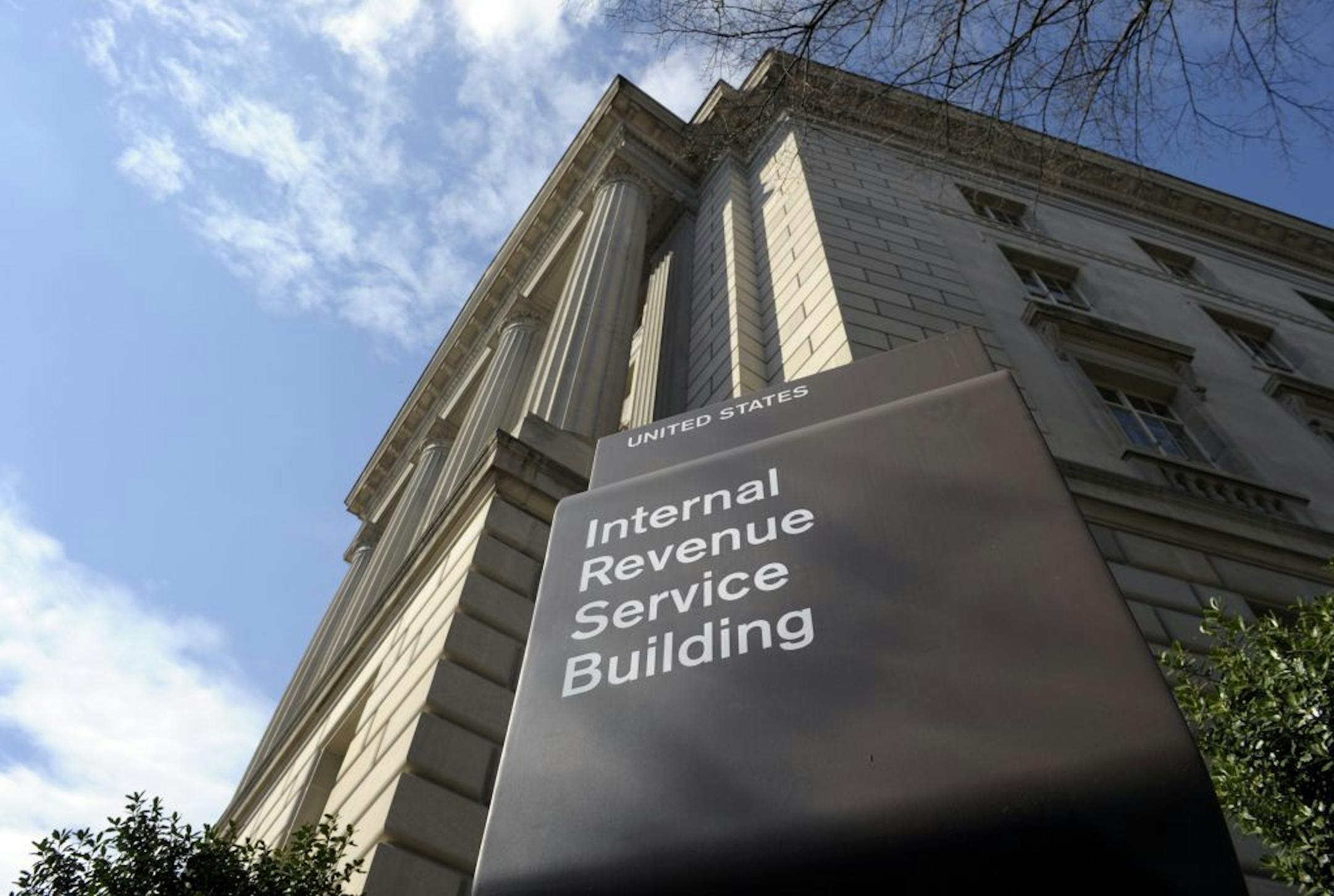
The scandal surrounding the Internal Revenue Service's scrutiny of tax-exempt groups based on their political leanings has prompted investigations by at least four congressional committees and the Justice Department.
The attention is appropriate because of troubling questions the scandal raises about the agency's independence. But the report that brought the episode to light — by J. Russell George, a Treasury Department inspector general — became politicized so quickly that those questions may be given short shrift.
We're less interested in congressional Republicans' efforts to tie the scandal to President Obama at any cost than we are in finding out why the IRS stumbled so badly, and in coming up with solutions to fix whatever is broken in the system. That would be done best by a nonpartisan commission working outside the polarized confines of the congressional office buildings.
At issue is the way the IRS enforces laws governing tax-exempt groups. The inspector general found that agency employees made inappropriate demands for information from many conservative groups that applied for exemption under Section 501(c)(4) of the tax code.
Unlike charities, 501(c)(4) organizations can do limited political campaigning. The report shed no light on why IRS employees singled out those conservative groups and what involvement, if any, administration officials and members of Congress had.
The IRS is never going to be a popular institution, but it can't afford to be seen as serving a political master. The best way to restore confidence is to impanel a commission with no political ax to grind, and have it recommend whatever changes may be necessary.


