

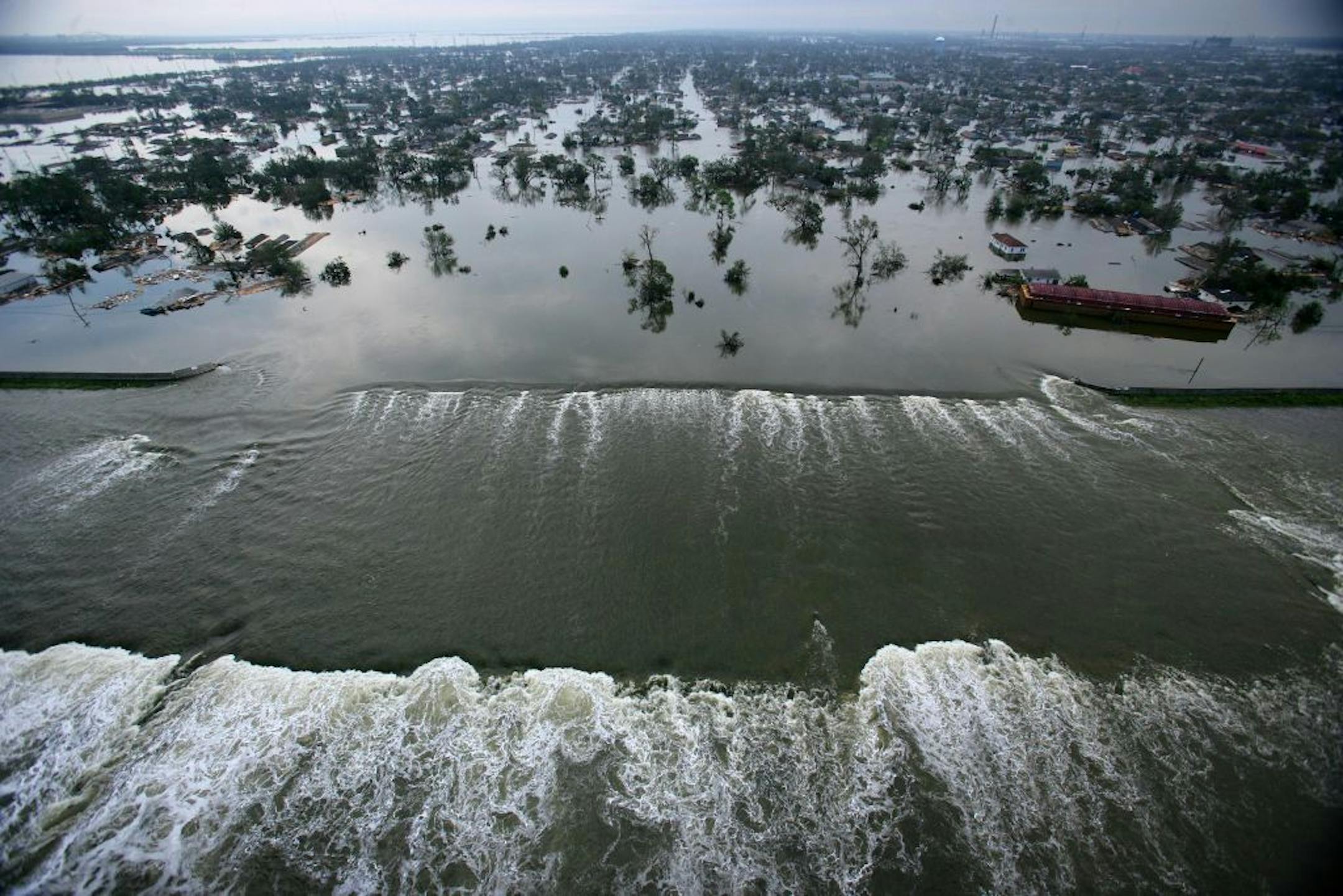
Hurricane Katrina is not done with us yet. It, along with Hurricanes Rita and Wilma, forced the National Flood Insurance Program to borrow $21 billion from the U.S. Treasury. Now, Congress not only wants that money repaid, it demands that such a loan never again be necessary.
Even though Congress passed the Biggert-Waters Flood Insurance Reform and Modernization Act of 2012 last year, it wasn't until last week that its impact hit many Gulf Coast residents.
The flood program is managed by the Federal Emergency Management Agency. FEMA Director Craig Fugate told about 1,500 people at the National Hurricane Conference in New Orleans recently that beginning soon, a homeowner's flood insurance policy that now costs a few hundred dollars may gradually be increased to thousands of dollars.
Fugate said the biggest increases will be for people who live in high-risk areas and who have not raised their houses.
But as many homeowners south of Interstate 10 know only too well, a "high-risk area" is open to interpretation. Thousands of homeowners have been forced into the state-administered wind pool, paying hefty premiums to meet the demands of their mortgage holders and for their own peace of mind.
Now comes FEMA, at the behest of Congress, with a plan to charge thousands more for flood protection.
It is not that coastal homeowners do not appreciate the need for the National Flood Insurance Program to be financially sound. They are taxpayers, too. But to phase out subsidies that have been in place for decades in just a few years strikes us as punitive.
For years after Katrina, we supported then-Congressman Gene Taylor's effort to persuade his colleagues to enact a national multi-peril insurance program. By spreading the coverage and the cost across the nation, a multi-peril program would keep rates at a more reasonable level than what is now being demanded by Congress of just coastal residents.


