

Opinion editor's note: Star Tribune Opinion publishes a mix of national and local commentaries online and in print each day. To contribute, click here.
•••
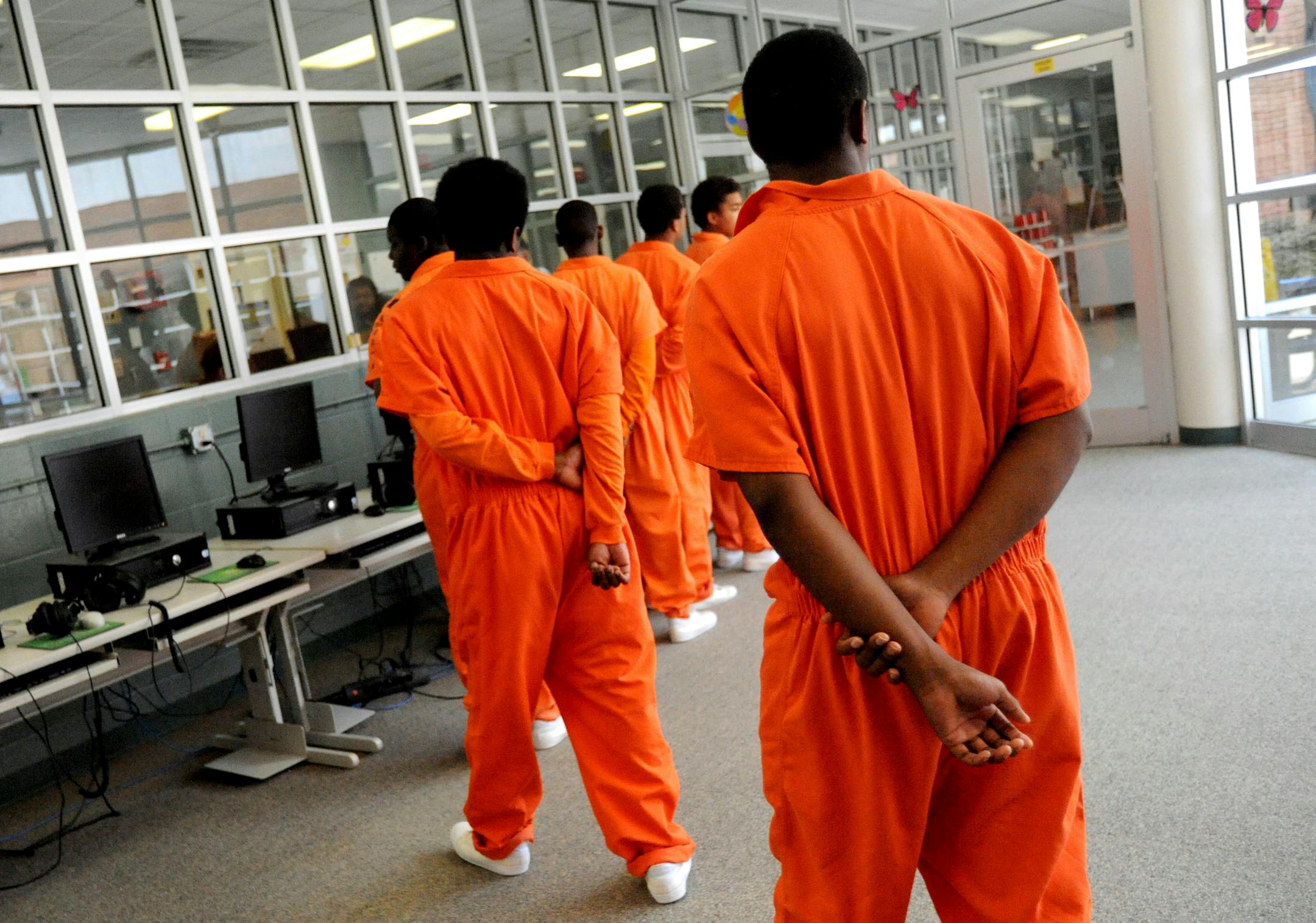
Mounting "tough on crime" proposals from legislators and prosecutors are sadly reminiscent of race-based dog whistles and failed strategies of the 1990s. Those strategies led to mass incarceration of Black and brown men, but no concomitant reduction in the incidence or impact of crime.
I retired as deputy director of juvenile corrections for Ramsey County after several decades of working for juvenile justice. Recent rhetorical flourishes by public figures, including talk of "ending the plague of violence," remind me of how similar sound bites and schemes from previous decades made it easy to jail children of color, destroying lives, fracturing families and decimating communities.
Crime-fighting strategies that intentionally or unintentionally target a specific race paint the guilty and guiltless with the same brush. Few people outside the targeted racial group trust in the inherent worth, goodness, potential and, yes, innocence of their youth, who appear to outsiders as "naturally" violent.
It is reflexively taken for granted that an unarmed Black youth of 13 is fundamentally more dangerous than an armed white adult. Black children are assumed to require the harshest, most restrictive, and retributive responses to their unwanted behavior.
While it is true that some children commit serious violent acts, the bigger truth is that most do not. Calls to build new juvenile prisons, fund more police, and de-restrict the use of juvenile detention centers are fundamentally race-based, short-term approaches. These strategies sacrifice mid-to-long-term good for the expedience of the moment. Juvenile jails and prisons manifest severe long-term harm for children, according to research from the Annie E. Casey Foundation, the MacArthur Foundation, the Robert F. Kennedy National Resource Center for Juvenile Justice, and the Center for Juvenile Justice Reform. Less reactive and more nuanced efforts should be deployed to address youthful offending.
In my experience, the proponents of these regressive policies are largely motivated by fear, which in some cases may be justified. Children of all races and socioeconomic status have done terrible things, especially when equipped with handguns and assault-style rifles. But this is not a general fear of lawless children, it is a racialized fear that Black children, and especially Black males, are naturally and disproportionately disposed to violence. That fear metastasizes into ill-informed policies and harmful practices.


