Jury hears shots that killed Little Falls teens

In his own audio, Byron Smith is heard calmly talking amid the booming gunfire in the basement.

April 23, 2014 at 2:25PM
icon1:52
(Shari L. Gross/Shari L. Gross)

LITTLE FALLS, Minn. - On his own digital audio recording of the day he shot two teenage intruders, Byron Smith can be heard calmly uttering "you're dead," "oh sorry about that," and "bitch" amid the boom of gunshots in his basement.

Jurors in Smith's murder trial on Tuesday heard about 15 chilling minutes of Smith's six-hour basement audio recording of the Thanksgiving Day 2012 shootings. The courtroom was silent except for the quiet sobs of a woman in the gallery.

The crystal-clear audio included the gunshots that killed 17-year-old Nick Brady and, minutes later, 18-year-old Haile Kifer as they descended the stairs to Smith's basement. After repeated break-ins to his home in the months leading up to that day, Smith had prepared his home with recording devices and himself with guns, he later told authorities. He was in his favorite basement reading chair with a paperback that day, he said, when he heard someone rattle the door handles to his house and saw a shadow through a picture window.

The Morrison County jury heard glass break, movement, then two shots as Brady groaned "Oh." Smith responded with another gunshot, saying, "you're dead."

Almost immediately after Brady was shot, rustling of the tarp was heard, then a dragging sound, then heavy breathing. Smith had moved Brady's body to a workshop in his basement to keep blood from staining the basement carpet, he later told authorities.

The audio continued with the sound of a gun reloading, then more deep breaths and the sound of footsteps — first getting fainter and then becoming louder again. A few minutes later, in a quiet, low voice, a female mumbled "Nick."

Soon, there was another booming gunshot and the sound of Kifer falling down the stairs. Smith quickly said, "Oh, sorry about that."

"Oh, my god!," Kifer said, and screamed.

"You're dying," Smith responded amid more gunshots. "Bitch."

After more heavy breathing and a dragging sound, Smith said "bitch" once more. Jurors heard more movement, and the crack of a gun.

Prosecutors stopped playing tape at that point.

Moving his truck

The audio was heard soon after prosecutors began the second day of presenting their case, trying to convict Smith on charges of first-degree premeditated murder. The killings gained national attention and stirred debate over just how far homeowners can go to protect themselves and their property.

Smith is claiming he was defending himself and his home when he shot the teenagers. Prosecutors say he crossed the legal line into murder when he continued to shoot after each unarmed intruder was wounded and no longer posed a threat.

In Minnesota, a person can justifiably take a life to avert death or great bodily harm or to prevent a felony in his or her home. Juries are instructed to consider the circumstances and whether it was a decision "a reasonable person would have made in light of the danger perceived."

Prosecutors have portrayed Smith as a vigilante who had waited in his basement with loaded guns, water and food to ambush the intruders.

Under questioning from Special Assistant Morrison County Attorney Pete Orput, a state trooper testified Tuesday that Smith had parked his truck in front of her house about three blocks away from his own house that day, requiring a circuitous route.

Defense attorneys contend Smith was so terrified in his own home, feeling targeted by previous break-ins, that he carried a gun with him inside. Thieves had hit his property a few times when he wasn't home and had stolen two of his guns and he was afraid, Smith told authorities when he was questioned after the killings. Smith said that he moved his truck that day because he was going to clean out his garage later and didn't want it vandalized if thieves were targeting him.

"Oh no!" he can be heard saying in a recorded police interview with a sheriff's sergeant. "That would have been the trigger for them coming to see me."

Focus on crime scene

Testimony on Tuesday afternoon focused on the crime scene investigation, with Bureau of Criminal Apprehension investigators detailing the evidence they gathered at Smith's home, including photographs of the teens' bodies: Brady's lay tangled in a camouflage tarp, Kifer's lay with her bloody midriff exposed, knees bent, a black hoodie tied tightly around her face.

The jury heard audio of a BCA investigator checking a land-line telephone in Smith's basement, near where the bodies were found, to make sure that the phone was in working order. A 911 operator is heard saying that the call came up with Smith's address. Police were asked to come to Smith's house a day after the shootings by a neighbor he had called.

Defense attorney Steve Meshbesher cross-examined investigators and elicited testimony about a glass pipe in Kifer's bag that an investigator believed was for smoking marijuana.

Responding to prosecutors' repeated objections, Judge Douglas Anderson stopped further questioning about Kifer's and Brady's pasts. He had ruled earlier that such information was irrelevant because there was no evidence that Smith knew who the teens were or knew who was breaking in that day.

Smith had told police he thought a neighbor girl had been behind the previous break-ins at his house.

Pam Louwagie • 612-673-7102

Byron Smith made his way through security at the Morrison County Courthouse, Monday, April 21, 2014 in Little Falls, Minn.
Byron Smith made his way through security at the Morrison County Courthouse, Monday, April 21, 2014 in Little Falls, Minn. (Star Tribune/The Minnesota Star Tribune)
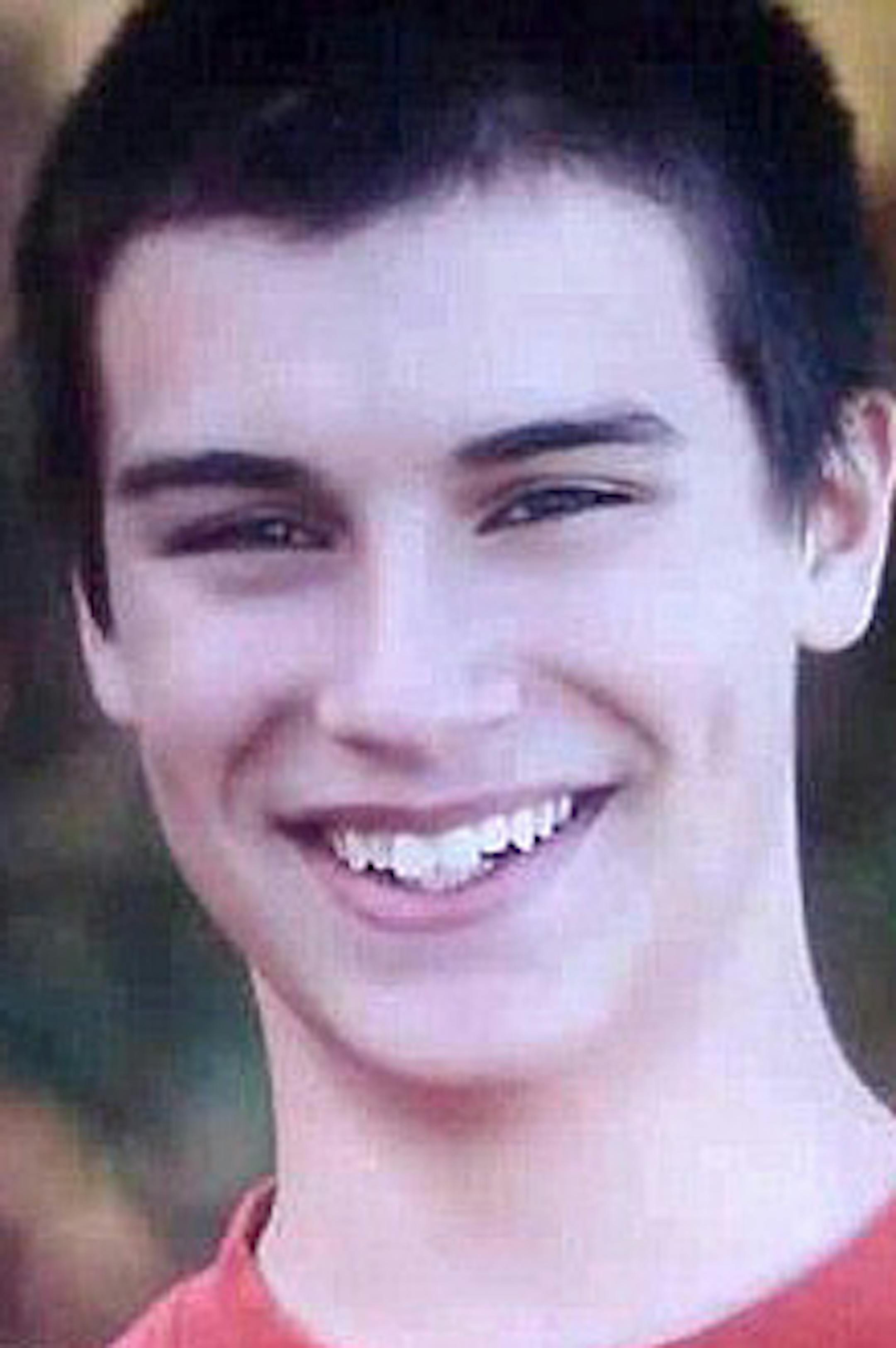
Nicholas Brady, 17, was shot after he and a cousin entered the Little Falls, Minn., house of Byron David Smith. He died Nov. 22, 2012.
Brady (The Minnesota Star Tribune)
Haile Kifer, 18, was shot after she and a cousin entered the Little Falls, Minn., house of Byron David Smith. She died Nov. 22, 2012.
Kifer (The Minnesota Star Tribune)
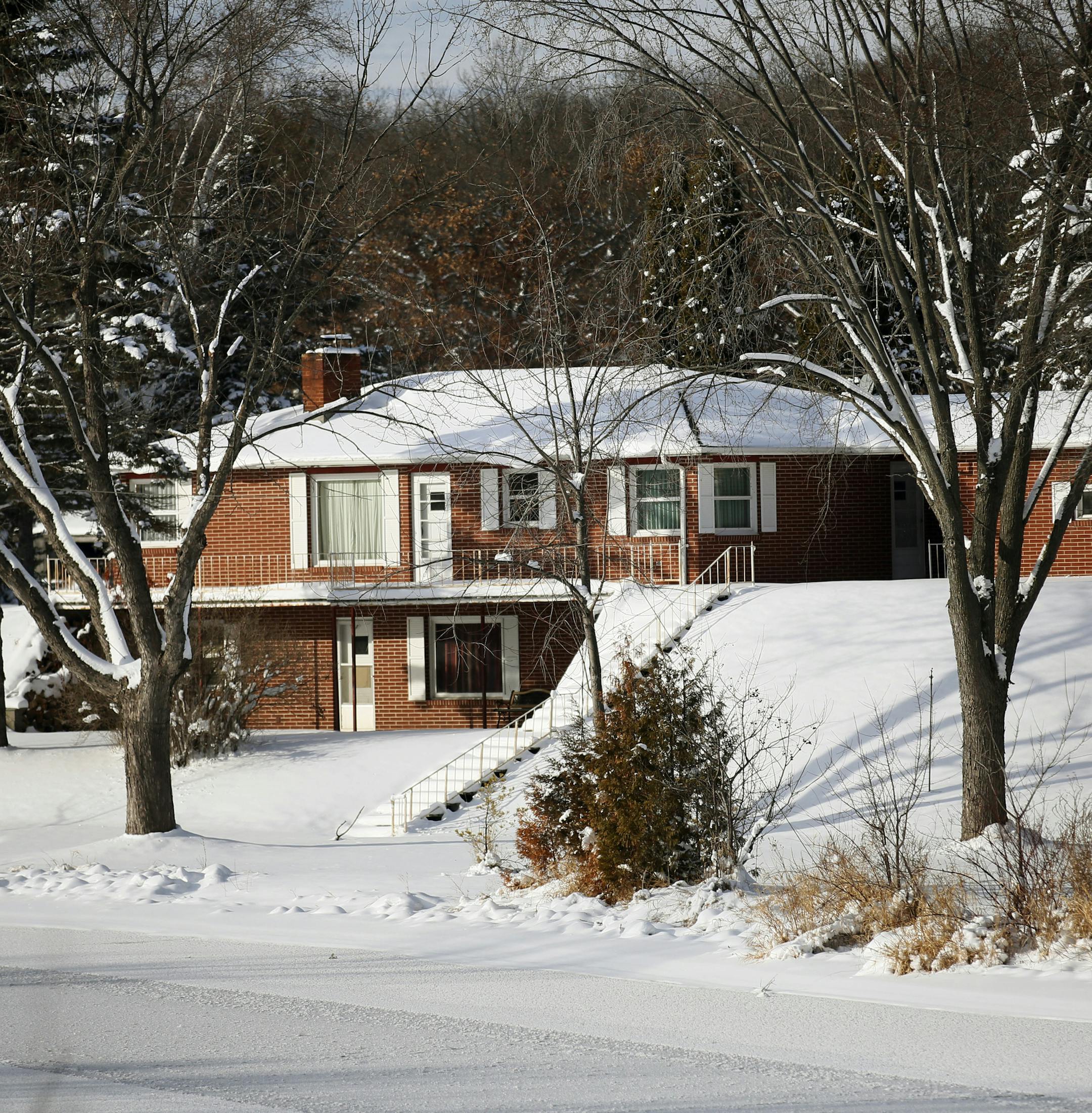
It's been weeks since Byron Smith killed two teens he caught breaking into his home Thanksgiving Day. But in this town where Smith was raised and the teens he killed also grew up, tensions have continued to grow. Some side with the teens, who had already broken into a home and stolen prescription medication the night before burglarizing Smith. Others side with Smith, who they argue was just defending his home after repeated break-ins. (IN THIS PHOTO) Smith's red brick home along the Mississippi
The crystal-clear audio from Smith’s home, above, included the gunshots that killed 17-year-old Nick Brady and 18-year-old Haile Kifer. (The Minnesota Star Tribune)
about the writer

about the writer

Pam Louwagie

Reporter

Pam Louwagie is a regional reporter for the Minnesota Star Tribune. She previously covered courts and legal affairs and was on the newspaper's investigative team. She now writes frequently about a variety of topics in northeast Minnesota and around the state and region.

See Moreicon