2:08
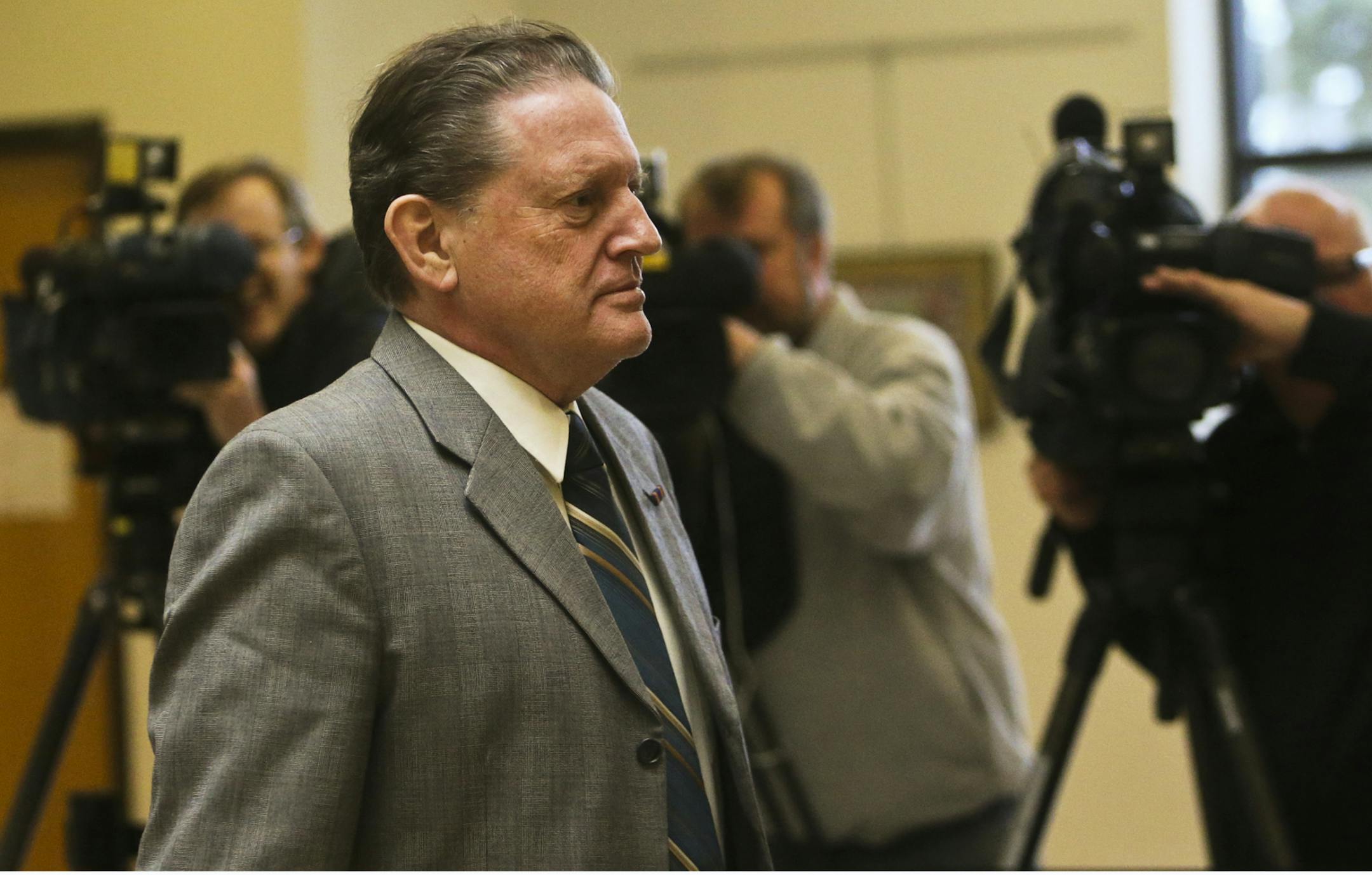
2:08Byron Smith's fate was known almost from the beginning of Tuesday's jury deliberations.
"For the most part, we were all pretty much in agreement from the start," juror Thomas Strandberg said. "We just wanted to make sure that we thought about all the evidence that was in front of us, and we wanted to go over everything that we had in front of us. Other than that, there wasn't a whole lot of sticking points, so to speak."
Juror Evelyn Mrosla agreed, saying one juror held out from agreeing to the guilty verdicts for a while, "but it just went fast, though.''
Even the lone holdout wasn't arguing for acquittal, but "just wanted to be sure," said Strandberg, 32, of Swanville, Minn.
The jury deliberated only three hours before convicting Smith of two counts each of first-degree murder and second-degree murder for the shooting deaths of Haile Kifer, 18, and Nick Brady, 17. The teens were shot during a daylight burglary of Smith's Little Falls, Minn., house on Thanksgiving Day 2012.
The two jurors, speaking just hours after their verdicts were delivered, said the picture of Smith that emerged from days of often chilling testimony was of a man who methodically planned for a violent confrontation rather than a homeowner surprised by intruders.
Several other jurors declined to comment in detail, saying only that it was a tough case to hear but not a tough one to decide.
Smith's planning before the shootings — from moving his truck off his property to a neighbor's home, to surveillance devices set up inside and outside of the home, to laying a tarp at the foot of his stairs — pointed toward him preparing for what happened, Strandberg said.