Someday, every heart-attack survivor might have a story like John Hubin's.
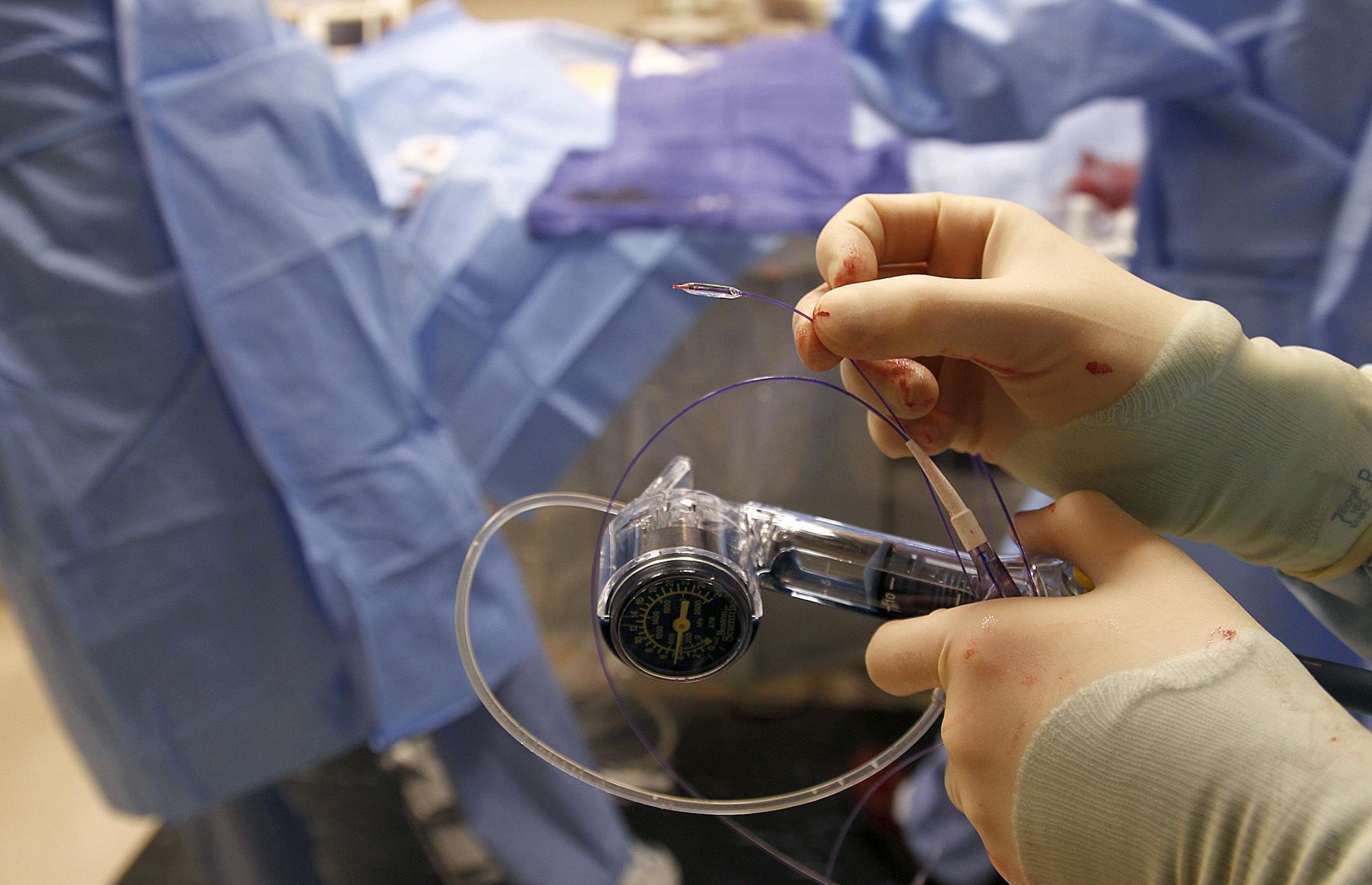
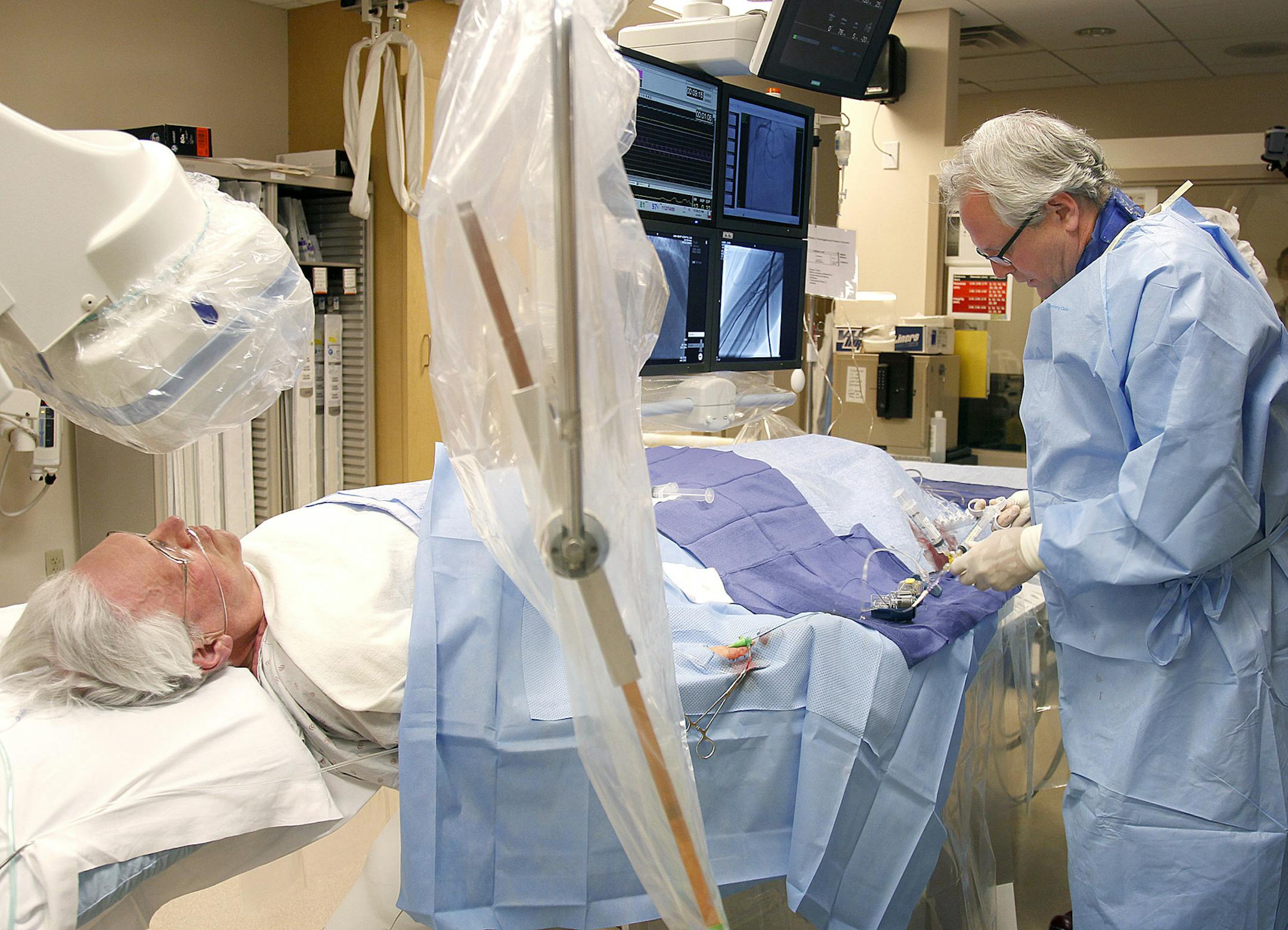
A few weeks after his trip to the emergency room last March, he drove himself to Abbott Northwestern Hospital early one morning and got an injection of 25 million stem cells.
The next day, he went home to Hector, Minn., and was back at work 24 hours later, feeling, he said, "like a million bucks."
As a treatment for heart disease, stem cells are still more fantasy than reality. But that's slowly changing, with the help of patients like Hubin, 60, at a special heart-disease clinic at Abbott Northwestern in Minneapolis.
The clinic, run by Dr. Tim Henry, has quietly become one of the leading stem-cell research centers in the country. In the past few years, about 400 of its patients have taken part in a raft of cutting-edge studies, all designed to use the body's own cells to repair the damage from cardiovascular disease.
What they've found hasn't always been cause for celebration.
But Henry and other scientists believe that they are edging closer to the long-awaited stem-cell revolution. There are early signs, for example, that it's helping to grow new blood vessels, which could offer new hope to people with incurable blockages.
If those studies continue to pan out, it's a potential "game changer," says Dr. Jason Alexander, a fellow researcher at the Minneapolis Heart Institute Foundation.