
Juicing can increase fruit, veggie intake

Experts caution that juicing might not be for everyone. Here are five tips to make it as healthy as possible.

June 29, 2018 at 12:30PM
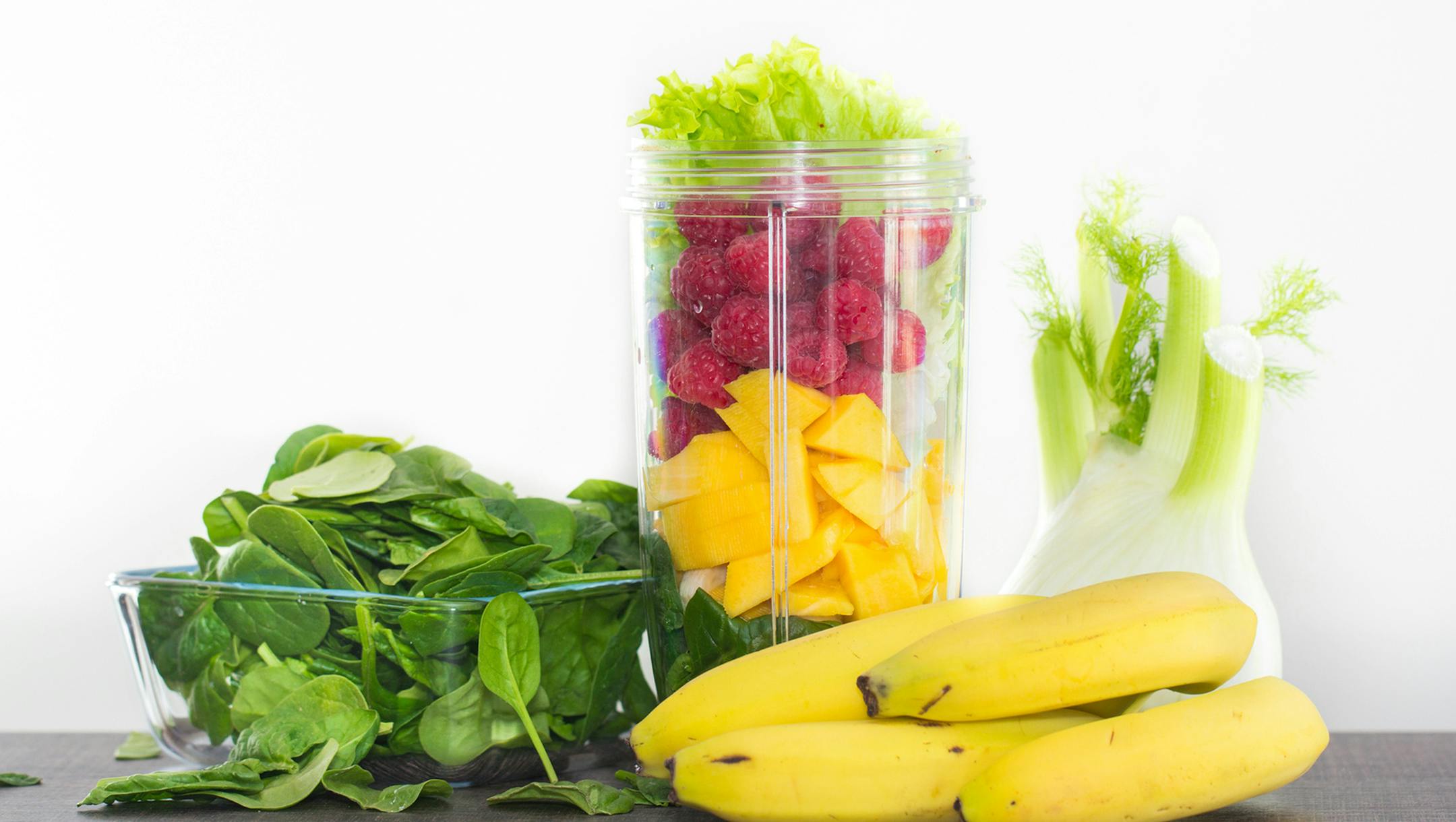
Dreamstime Juicing can be a good way to add nutrients to your diet, if you struggle to eat the recommended servings of fruits and veggies each day. ORG XMIT: 1233470
Juicing can be a good way to add nutrients to your diet, especially if you struggle to eat the recommended servings of fruits and veggies each day. (The Minnesota Star Tribune)

Is juicing as healthy as some proclaim, or are nutrients lost in the process?

Juicing — extracting the juice from fresh fruits and vegetables — can be a good way to add nutrients to your diet. If you struggle to eat the recommended five to nine servings of fruits and vegetables each day, juicing can help you get there.

The good news is that the juice contains most of the vitamins, minerals and plant chemicals (phytonutrients) found in whole fruit. Juicing also may help you incorporate a broader variety of fruits and vegetables in your diet, such as kale, spinach or tropical fruits.

However, juice shouldn't be the only way to get these nutrients. Whole fruits and vegetables also contain healthy fiber, much of which is lost during juicing — especially if the skin and pulp are removed. Dietary fiber not only aids in digestion, but also may improve blood cholesterol levels and lower the risk of heart disease. Fiber also helps you feel full, which can help with weight control.

Some fans of juicing promote it as a quick way to lose weight. But a diet containing only fruits and vegetables isn't balanced. Be sure you're also meeting your needs for fiber, protein, calcium, iron and healthful fats. You can do this by incorporating juicing into a healthful-eating plan that includes various whole grains, low-fat dairy products, lean protein sources, and whole fruits and vegetables.

While juicing in moderation is generally healthful, certain types of juice may not be appropriate for everyone. A juice made of mostly fruits can be high in carbohydrates and sugars, which can influence blood sugar levels. For people with kidney disease, fruits that are high in potassium, such as melons and bananas, can cause complications and may need to be avoided.

Juicing also can be a significant source of calories, depending on the contents and the portion size you consume. Without the fiber to keep you feeling full, you may find that you're hungry sooner. Add these up, and you have a recipe for potential weight gain if not kept in check.

Here are steps you can take to make sure your juice is as healthful as possible:

Limit added sugars. Some juice recipes call for sugar, honey, syrup or other added sweeteners. Since the typical American diet already includes an overabundance of added sugars, try to eliminate or minimize these additions. Added sugars contribute to calories and weight gain. They're especially common in store-bought fruit drinks.

Consider blending. Rather than extracting juice, blending the edible parts of fruits produces a drink that contains more fiber and other healthy nutrients. If the result is too thick, add a little water.

Handle produce safely. Wash all fruits and vegetables thoroughly before use. Even if you plan to peel the produce, wash it first, so that dirt and bacteria aren't transferred. Take extra caution with precut fruits and vegetables, and any kind of sprout, which are more likely to harbor dangerous bacteria such as E. coli.

Use the pulp elsewhere. Try adding the leftover pulp from your juicing to soups or baked goods to increase the fiber in your diet.

Opt for pasteurized juice. When buying juice from a store, choose a pasteurized juice when possible to prevent the likelihood of foodborne illness. Most juice sold in stores is pasteurized to kill harmful bacteria. Refrigerate products that aren't pasteurized. These products are required to carry a warning label. Since juice sold in restaurants isn't subject to the same labeling, don't hesitate to ask if you're unsure if the product has been pasteurized. If you're not sure whether juicing is a healthful option for you, talk to your health care provider or a dietitian.

about the writer

about the writer

Mayo Clinic News Network

More from No Section

See More
FILE -- A rent deposit slot at an apartment complex in Tucker, Ga., on July 21, 2020. As an eviction crisis has seemed increasingly likely this summer, everyone in the housing market has made the same plea to Washington: Send money — lots of it — that would keep renters in their homes and landlords afloat. (Melissa Golden/The New York Times) ORG XMIT: XNYT58
Melissa Golden/The New York Times

It’s too soon to tell how much the immigration crackdown is to blame.