

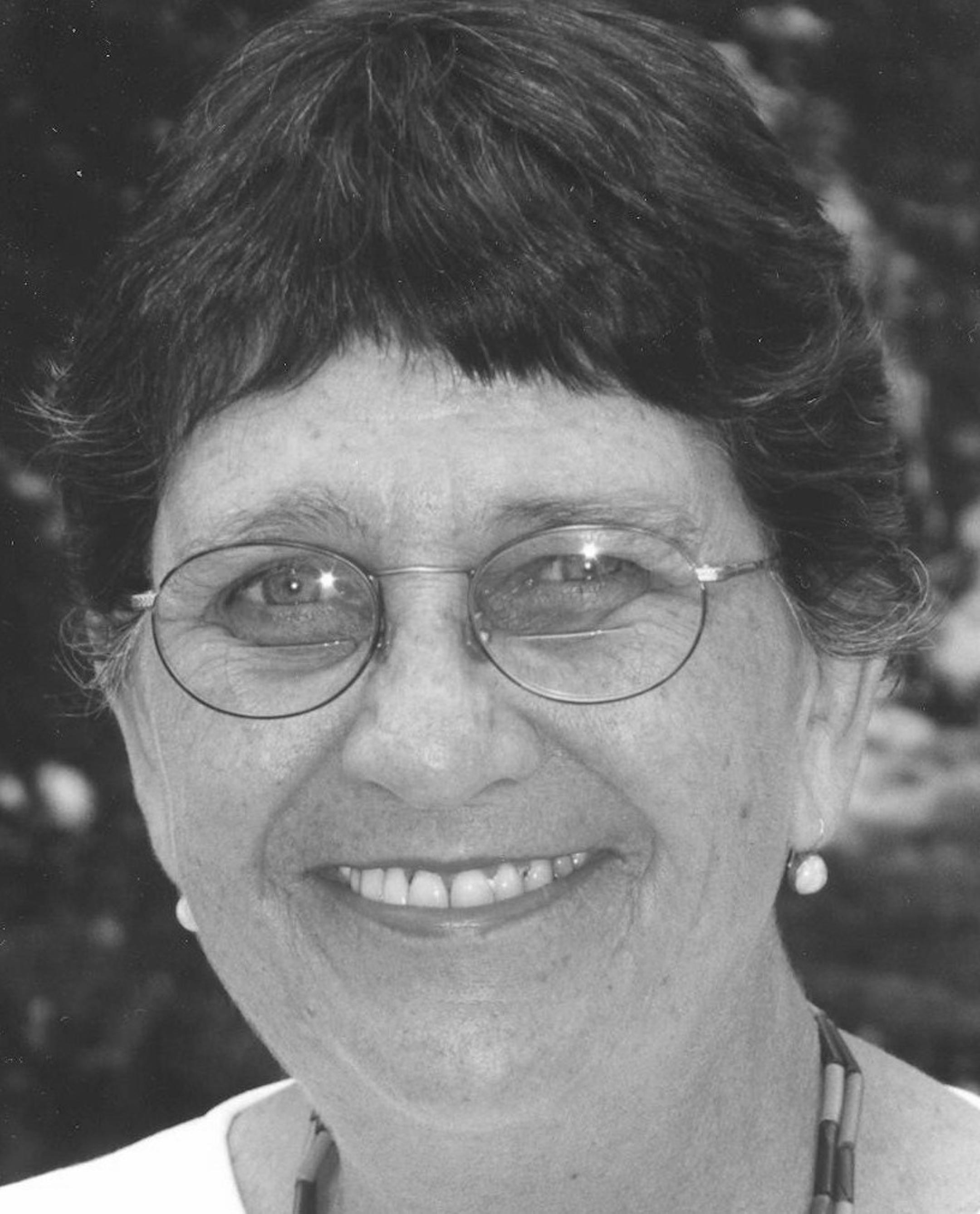
Judy Farmer was the longest-serving Minneapolis school board member, a voice on the national education scene and a force in Twin Cities progressive politics.
In her 27 years on the school board, the former educator helped steer an increasingly diverse urban district through massive change, from an embrace of innovative teaching methods to painful school closures. Her kitchen became an incubator for candidates for public office, particularly those of color. For parents, mentees and even critics of her staunchly liberal politics, she remained an approachable, personable presence.
"Judy spent hours on the telephone each evening talking with people all over the city — people in different factions," said her husband of 59 years, Ted. "She was putting in full time for a part-time job."
Farmer died in February of neuroendocrine cancer. She was 82.
Farmer grew up in rural Colorado, where she caught a passion for politics from her union leader father, who worked on John F. Kennedy's presidential campaign and served in his administration. At Stanford University, she majored in history and met Ted, a fellow historian.
After graduation, she taught social studies in Taiwan, Washington state and Massachusetts before settling in the Twin Cities. Here, she worked to launch Marcy Open School in Minneapolis, serving as its community resource coordinator. She remained a proponent of the open school concept.
Farmer first got elected to the school board in 1979, when students of color and those from low-income families still made up only a fraction of the student body. During her time on the board, she championed desegregation, all-day kindergarten, long-range planning and more choices for parents. She oversaw painful school closures in 1982 and again in 2004, an example of what Ted Farmer calls "doing what's right rather than what's popular." Her active campaigning for taxpayer levies also won her critics.
"I believe in my bones that our democracy would not survive as we know it without a strong, healthy public education system," she told the Star Tribune in 1999.


