

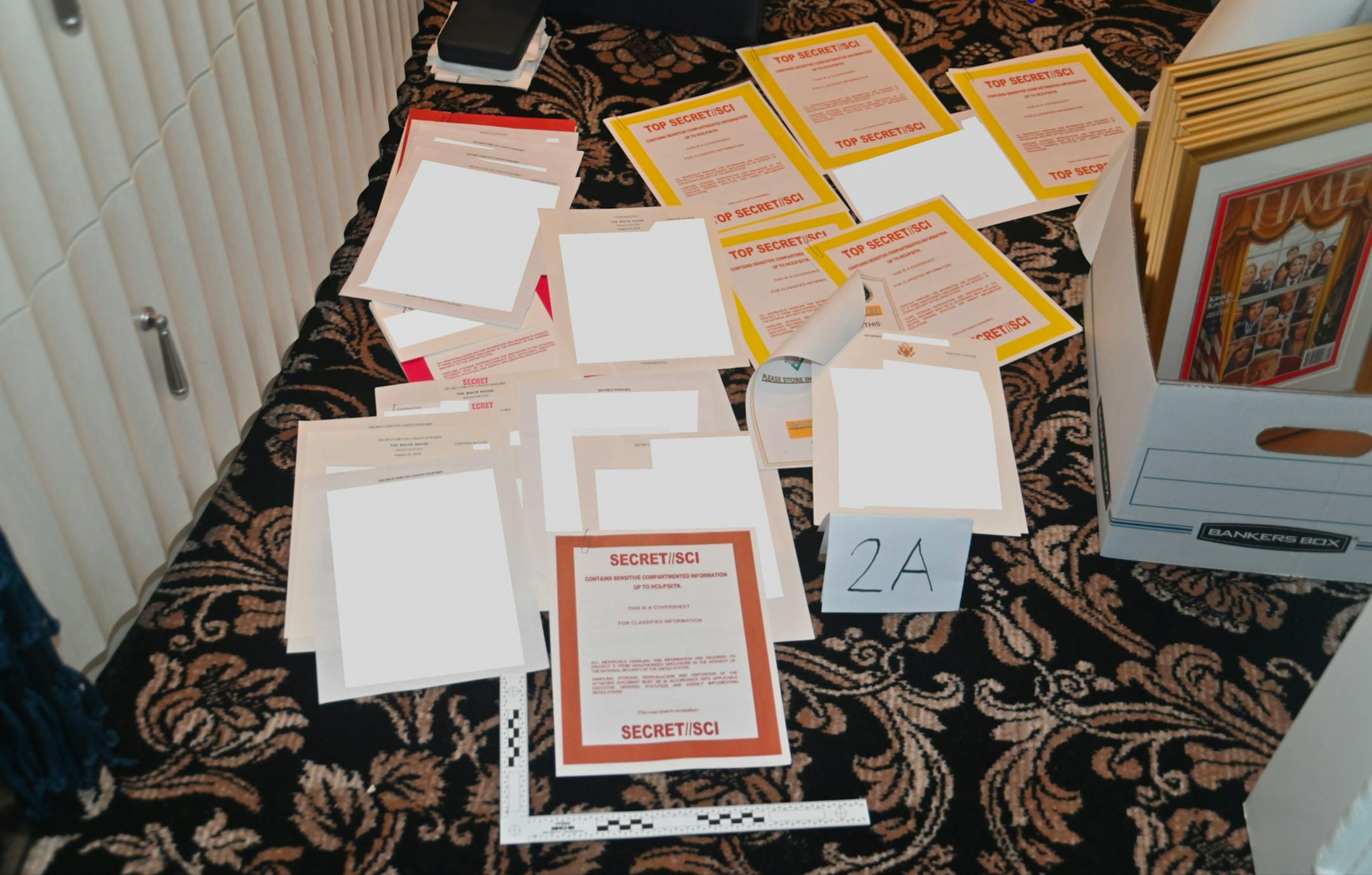
WASHINGTON — A judge’s stunning decision to dismiss the classified documents case against Donald Trump brought an abrupt halt to what experts have considered the strongest and most straightforward of the prosecutions of the former president. But it’s hardly the final word.
Special counsel Jack Smith's appeal of U.S. District Judge Aileen Cannon's order is expected to tee up a court fight that might reach the U.S. Supreme Court and could result in the reinstatement of the indictment and even conceivably the reassignment of the case to a different judge.
There's no scenario in which a revived prosecution could reach trial before the November election — and it presumably won't take place at all in the event Trump is elected president and orders his Justice Department to dismiss it. Still, Cannon's order ensures many more months of legal wrangling in a criminal case that became snarled over the last year by interminable delays.
''The only good thing about this is that it is finally a decision,'' said Nancy Gertner, a former federal judge in Massachusetts who was nominated to the bench by President Bill Clinton, a Democrat. ''The difficulty with Judge Cannon has been that she has made no decisions. She has simply sat on the case. And since she has made no decisions, there was nothing to appeal."
The judge's 93-page order held that Smith's selection as special counsel violated the Constitution because he was named to the position directly by Attorney General Merrick Garland instead of being appointed by the president and confirmed by the Senate. Prosecutors vigorously challenged that argument when it was raised by Trump's lawyers, and filed a formal notice of appeal Wednesday to initiate the process.
It's impossible to say whether the opinion will stand or be reversed on appeal, though other judges in other districts in recent years have reached opposite conclusions of Cannon, upholding the constitutionality of special counsels who were appointed by Justice Department leadership and funded by a permanent indefinite appropriation.
The Supreme Court, in a 50-year-old opinion involving President Richard Nixon, held that the Justice Department had the statutory authority to appoint a special prosecutor.
And even though Supreme Court Justice Clarence Thomas raised questions this month about the legality of Smith's appointment, no other justice signed onto his concurring opinion in a case conferring broad immunity on former presidents.


