
Judge temporarily halts work on former Dayton property in Orono

Neighbors win temporary reprieve after injunction halts construction on former Dayton property.

November 4, 2015 at 2:40AM
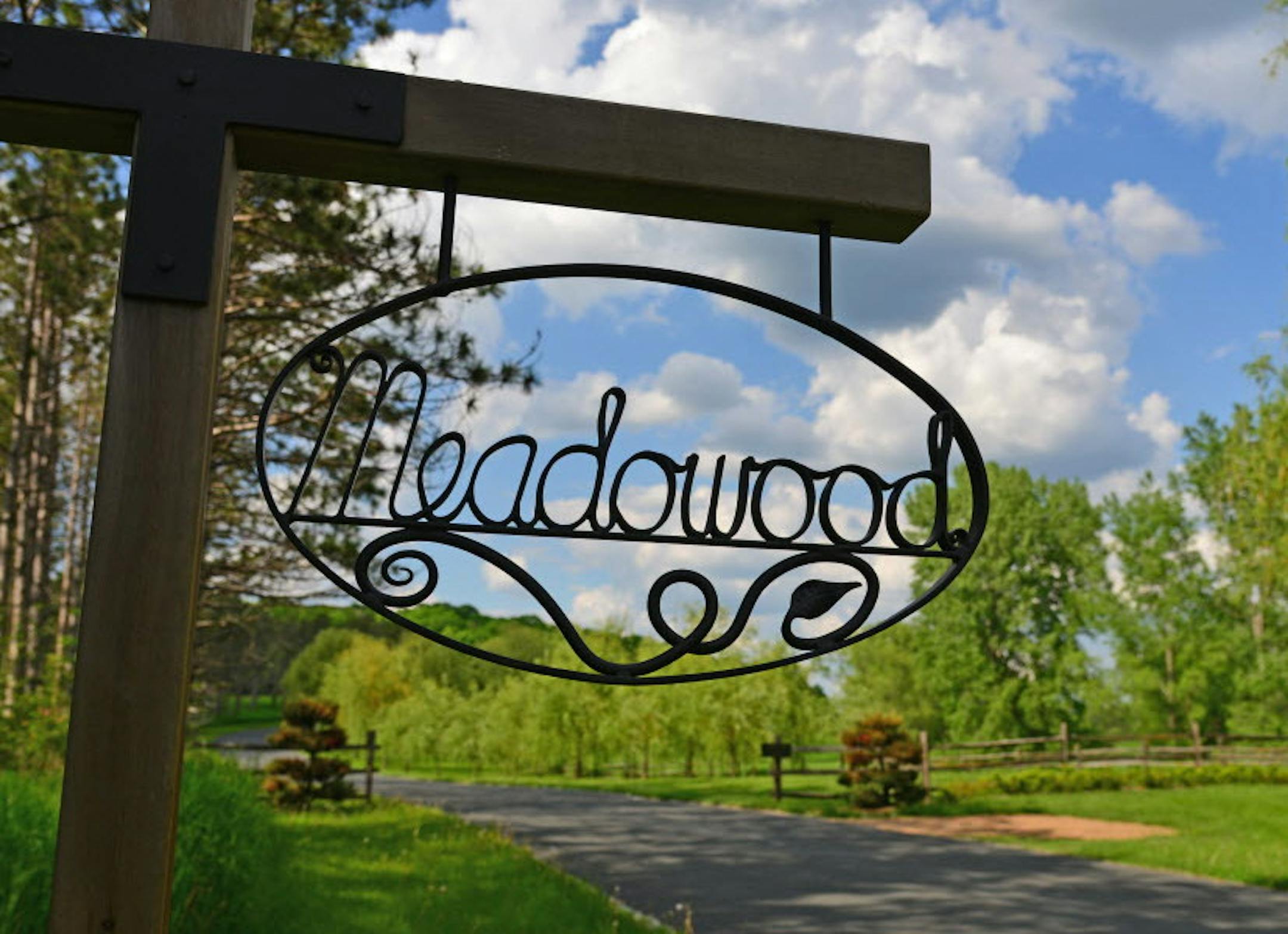
File photo taken June 5, 2014. When Doug Dayton bought nearly 100 acres of woods and fields just a few minutes north of Wayzata, he vowed to create a refuge of waving grasslands, knotted walking trails and placid ponds. The place would become a refuge from the demands of running the family department store, and a place to raise his family. He restored nearly 40 acres of native prairie grasslands and forbs, and hand-planted hundreds of plum trees, oaks and pines that now tower over the sprawling
The city approved an 11-lot subdivision on the former Dayton land, one of Orono’s last big undeveloped lots. (The Minnesota Star Tribune)

A judge has temporarily stopped construction this week at a subdivision on the late Doug Dayton's former land in Orono.

A group of neighbors is suing the developer, arguing that the development would destroy remnants of the historic Big Woods forest on Dayton's former property next to Mooney Lake. On Monday, Hennepin County District Judge Mary Vasaly granted a temporary injunction, allowing the suit to move forward and each side to make its case.

"It's a huge victory," said the neighbors' attorney, Randy Hopper.

But it's too late to stop work from beginning on developer George Stickney's Mooney Lake Preserve project. Construction crews started cutting down some trees last Friday. In court documents, Stickney, his company and attorney Curtis Smith, who didn't return messages seeking comment, argue that the subdivision complies with city and watershed rules, followed approval and review processes, and is part of the property owner's right to develop.

The temporary injunction will prevent grading, tree removal, tree planting and other work this construction season, increasing costs and delaying the sales of lots, Stickney's court filing said.

But the 13 neighbors who sued Stickney, his company, BPS Properties, along with the Minnehaha Creek Watershed District and the city — both of which had to approve permits and plans — last month were glad to halt construction.

"I'm happy at least we can stop it for now," said neighbor Anne Healy. "He's just destroying the forest."

She and her neighbors sued, saying the subdivision of the prairie grasslands and dense woods violates the Minnesota Environmental Rights Act because it would cause "significant environmental degradation and destroy natural ecosystems" of the Big Woods forest. Hopper, their attorney, said then that the subdivision was a "slap in the face" to Dayton and his land preservation work.

In court documents, Stickney's attorney, Curtis Smith, argued that neighbors sat "on their hands for many months while the project wove its way through the governmental approval process" and sued "at the 11th hour."

Doug Dayton, the grandson of Dayton's department store founder George D. Dayton and the company executive credited with launching Target, bought the more than 90-acre property he named Meadowood some 50 years ago and spent years restoring the fields and building trails in the 16-acre dense forest of maple, oak and elm trees. Dayton, the uncle of Gov. Mark Dayton, died in 2013.

The Orono City Council unanimously approved plans after Stickney bought the land for $5.3 million from Dayton's widow, Wendy Dayton, in September. According to court documents, she tried for 17 months to sell the property to someone who would preserve it, but was unable to do so.

Stickney, an agent with Coldwell Banker Burnet and a principal with BPS, got approval to build 11 lots, seven on the lakeshore and four in or near the woods, with an average lot size of 3.18 acres. In plans, 98 trees that are more than 6 inches in diameter will be removed out of 1,430 trees in the Big Woods area.

City leaders have said that Stickney could have gotten at least 30 homes on the property, one of Orono's biggest remaining parcels of open land, and chose instead to preserve half of the land.

However, Hopper said the land isn't a cornfield to be developed, but different ecosystems that should have been preserved.

"The law says preserving the environment is paramount," he said. "Preserve … first, and talk later."

Kelly Smith • 612-673-4141

about the writer

about the writer

Kelly Smith

News team leader

Kelly Smith is a news editor, supervising a team of reporters covering Minnesota social services, transportation issues and higher education. She previously worked as a news reporter for 16 years.

See Moreicon

More from No Section

See More
FILE -- A rent deposit slot at an apartment complex in Tucker, Ga., on July 21, 2020. As an eviction crisis has seemed increasingly likely this summer, everyone in the housing market has made the same plea to Washington: Send money — lots of it — that would keep renters in their homes and landlords afloat. (Melissa Golden/The New York Times) ORG XMIT: XNYT58
Melissa Golden/The New York Times

It’s too soon to tell how much the immigration crackdown is to blame.