The swarthy voyageurs of the late 17th and early 18th century were a hearty bunch who muscled 4-ton loads of fur pelts across windy waters and rocky portages. They worked 14-hour days, paddling birchbark canoes 3,000 miles across the Great Lakes and other waterways before arriving at their trading posts.
We set out to be modern-day voyageurs.
As part of an adult learning program through Concordia Language Villages in Bemidji, four adult students and two teachers spent a week exploring the Minnesota northwoods canoeing, camping, singing and talking -- all in French.
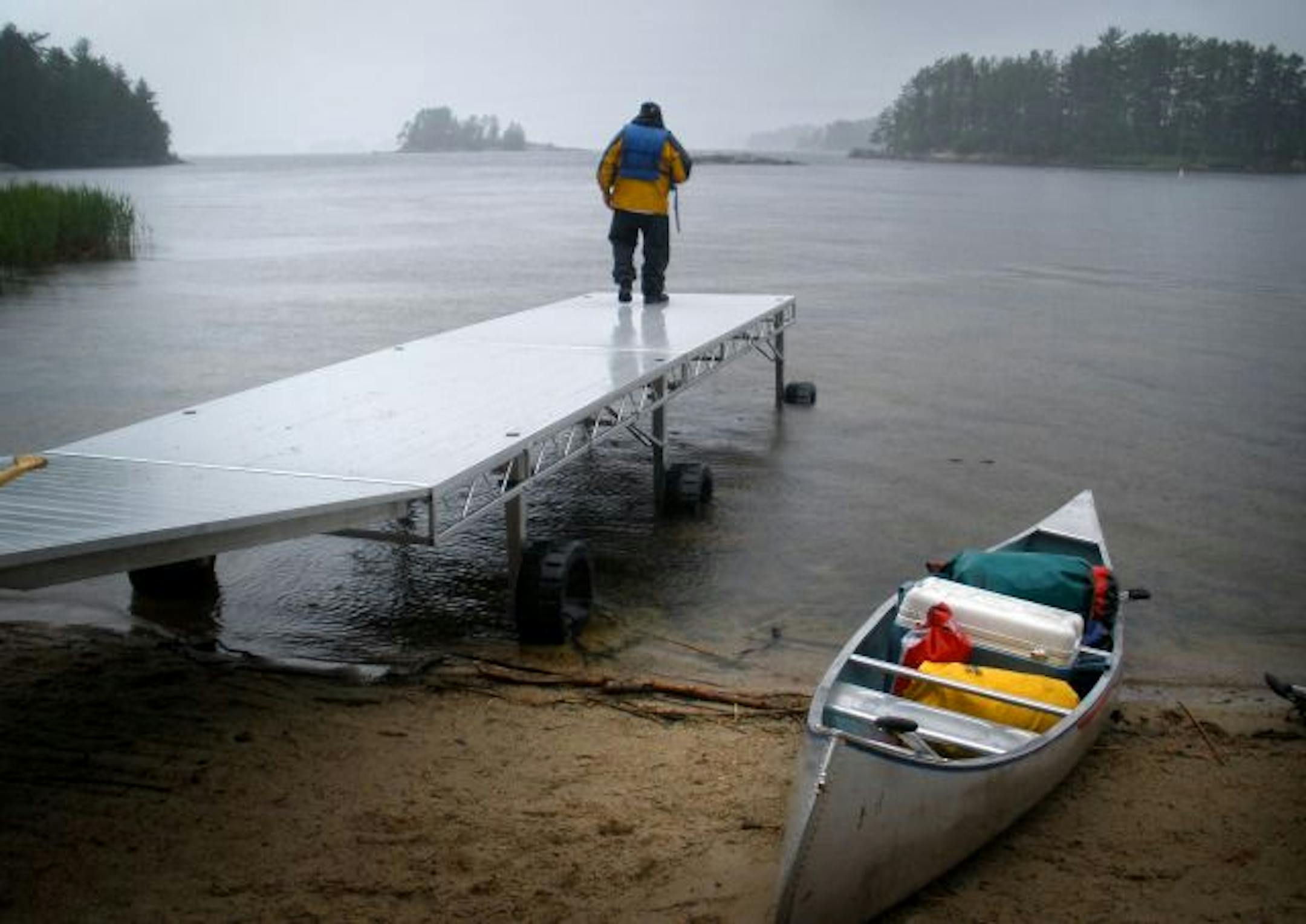
Though we traveled in aluminum canoes and ferried our supplies in waterproof packs and giant plastic tubs, expedition leader François Fouquerel and assistant Ashley (Mireille) Horan tied our language lessons and experiences to the French-Canadian trappers and traders who worked this land centuries ago.
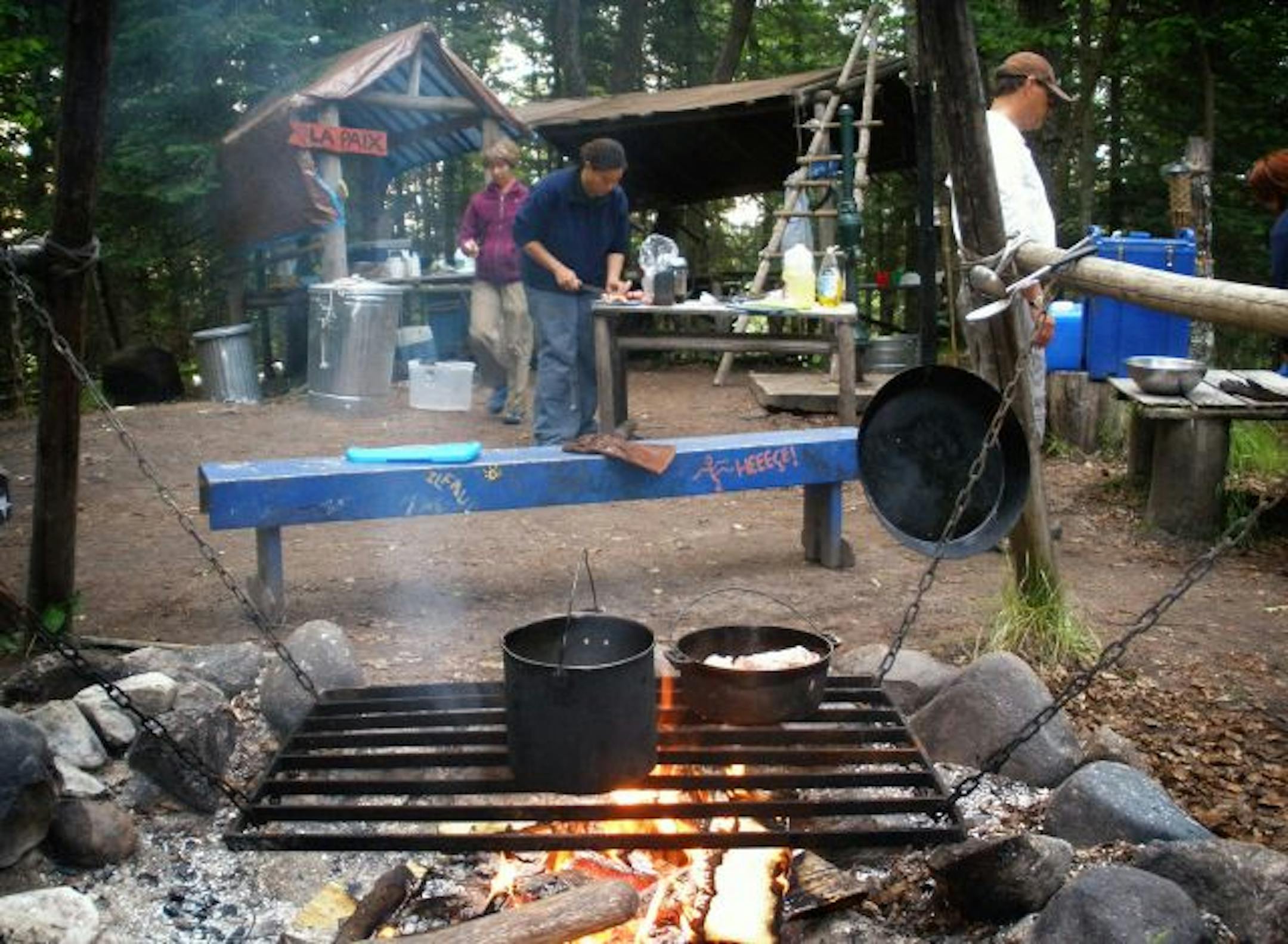
We ate roubabou, a stew enjoyed by the voyageurs and their Ojibwe Indian partners. We sang chansons about the wanderings of the migratory traders. And at night, we listened to the same ancient yodel of the loons (les huards) as we fell asleep.
• • •
Voyageur means "traveler," and we knew it would be an adventure. I joined a diverse crew of French learners: an attorney from California, an Air Force language analyst from Bloomington and a former 4-H county extension educator from Hawaii.
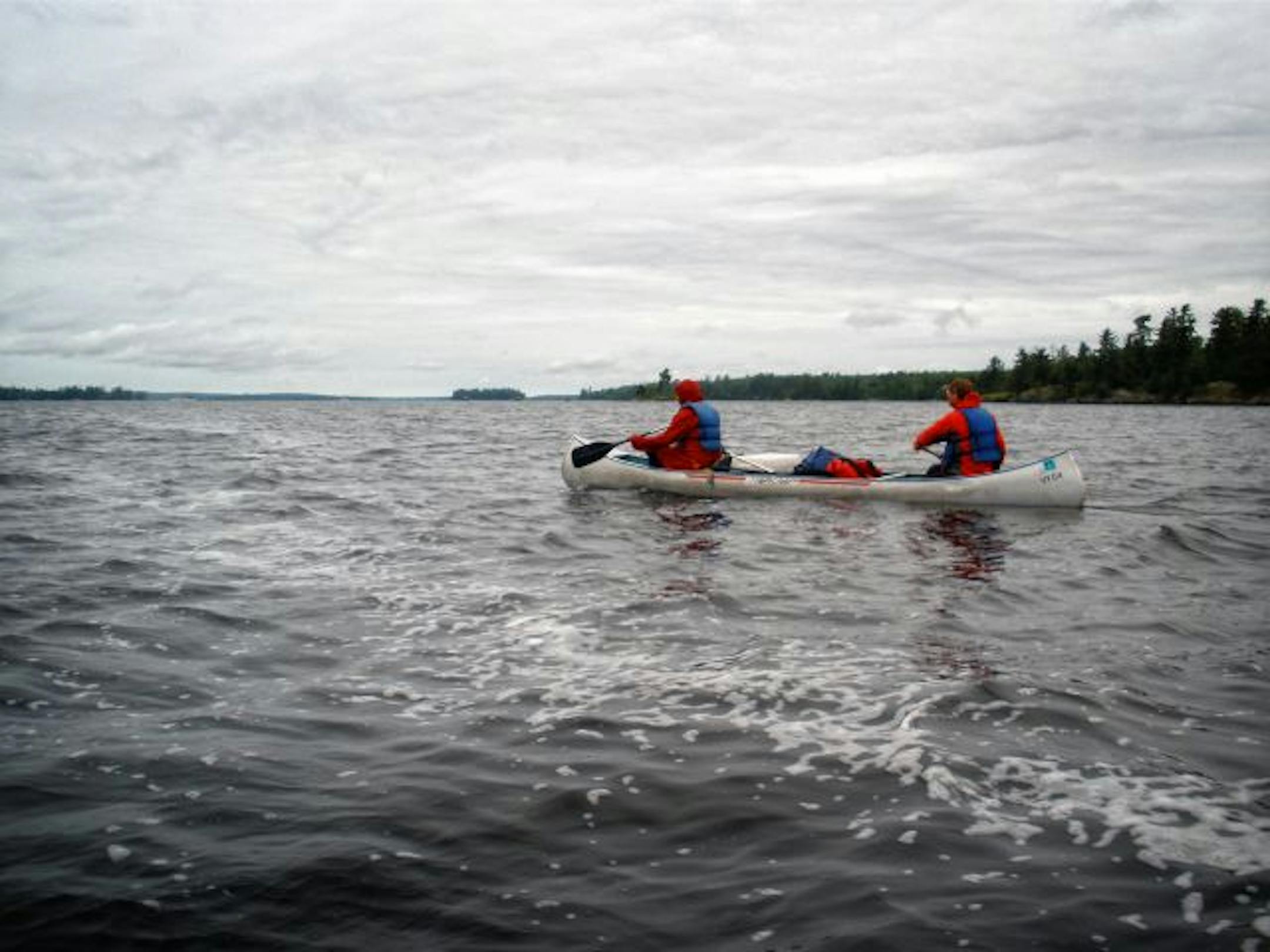
"En avant!" shouted Mireille, and we pointed our three canoes into Kabetogama Lake in Voyageurs National Park.