

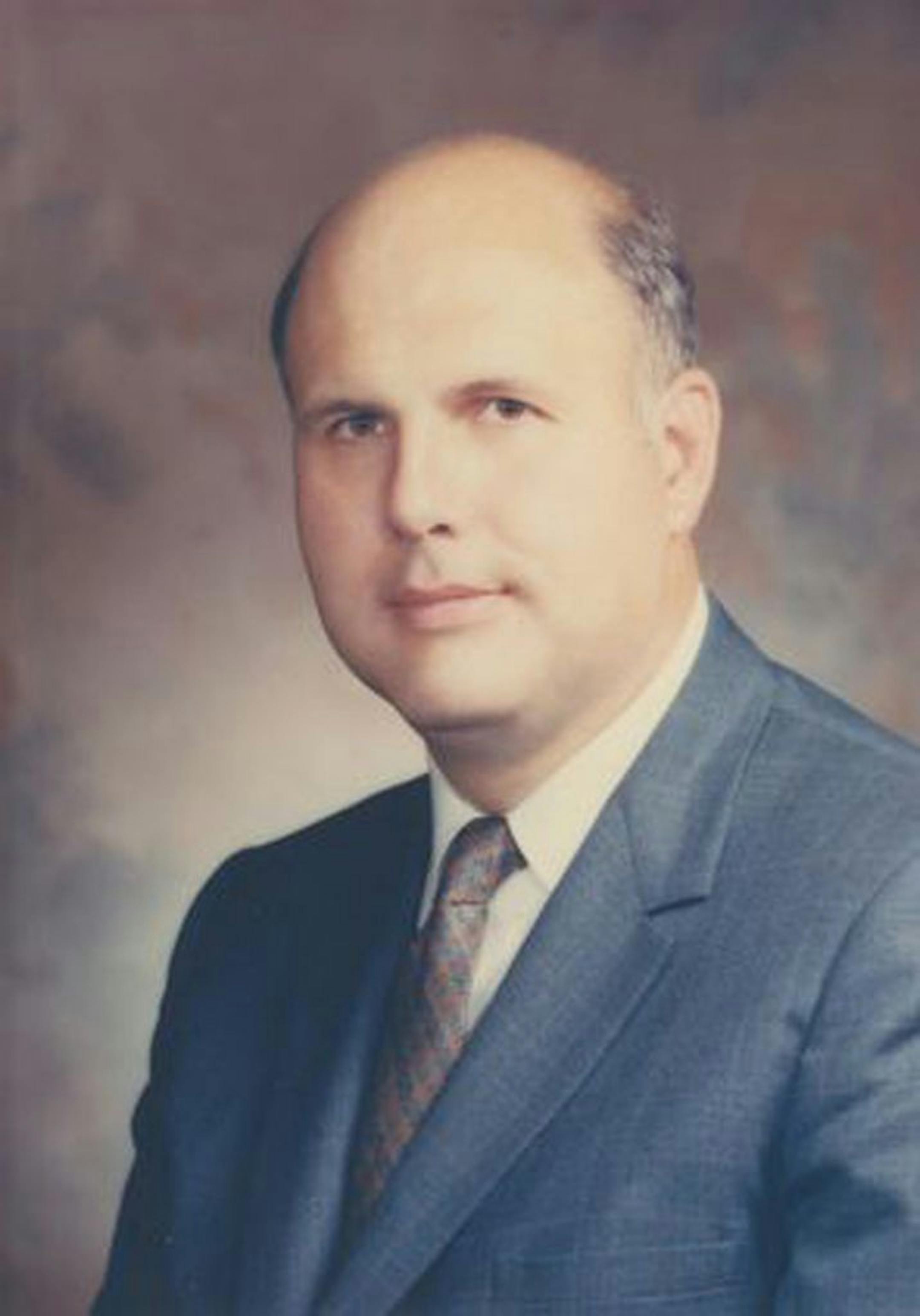
Joseph Mengel made the suggestion based on his avid reading, knowledge of Lake Superior and simple curiosity: The fibers in taconite tailings, he said, look an awful lot like those causing stomach cancer in Japan.
Mengel's thought ended up playing a key role in the historic dispute involving the Reserve Mining Co. over its dumping of taconite tailings into Lake Superior. That 1970s case raised the first questions -- many of them still unanswered -- about the health risks of asbestos-related mineral fibers in the low-grade iron ore.
"If you look at the chain of causation in that case, Joe's discovery was one of the very critical junctures," said Grant Merritt, executive director of the Minnesota Pollution Control Agency from 1971 to 1975.
Mengel, a former University of Wisconsin-Superior geology professor, died July 23. The Eden Prairie resident was 79.
Born in Knoxville, Tenn., Mengel joined the faculty of UW-Superior in 1961. He studied ancient iron-bearing rocks and taught courses about the geology of the Lake Superior region.
One day in 1972, Mengel accidentally attended the wrong convention and found himself in a conversation with Arlene Lehto, then president of the Save Lake Superior Association.
"I told her that I had just read about stomach cancer in Japan which was cause by sharp, asbestos-like fibers used to polish rice," Mengel later wrote in a short autobiography. The accompanying photomicrograph "showed sharp micro fibers which looked to be strikingly similar to those which I had seen for years in Lake Superior."
That thought quickly traveled from the Duluth hotel to Merritt's Twin Cities office. The agency hired a geologist to further study the similarity.


