Jonathan Adler on saucy new Amazon home collection: 'Live clean and decorate dirty'

Designer weighs in on bongs, white jeans and his new get-it-quickly collection, Now House.

November 30, 2018 at 7:51PM
Jonathan Adler with items from his new collection Now House, which he designed for Amazon.
Jonathan Adler with items from his new collection Now House, which he designed for Amazon. (The Minnesota Star Tribune)

Here is what was on view on Election Day in Jonathan Adler's company headquarters on Hudson Street in Manhattan: a bit of brutalism; lots of organic modernism (of the sort once seen in 1960s-era Reform synagogues); a dash of Egyptian revival (but the '70s version); scenes from the Memphis movement; references to pre-Columbian pottery, and to early '80s disco tropes and pop art; many, many objects emblazoned with marijuana leaves (including a stunning beaded and embroidered textile that reads "Weed" in a medley of greens); and an elderly and very grumpy Chihuahua atop a lavender towel on a shredded lime-colored chair.

Trained in semiotics and art history at Brown University, Adler has long been known for his exuberant style that is also a big tent of references. It was nearly 30 years ago that the designer, now 52, made a line of quilted pottery inspired by Chanel bags, and 20 years ago that he opened his first home store on Broome Street.

His company now has 17 stores worldwide, a wholesale and e-commerce business, and a residential and commercial design practice. (A Minneapolis store closed in Uptown in 2016; MartinPatrick3 in the Warehouse District opened an Adler section in its design studio the next year.)

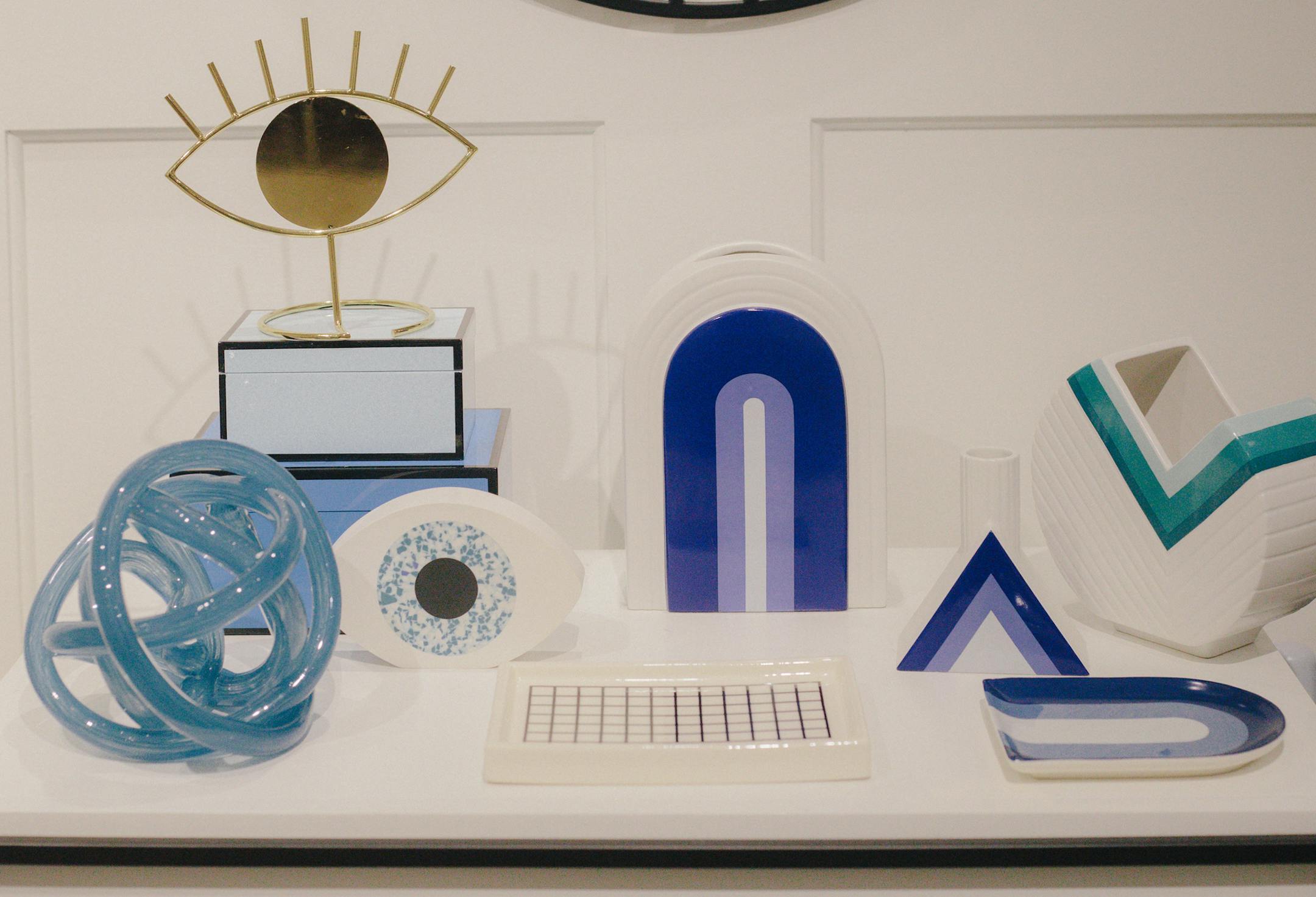
Adler has introduced a collection for Amazon called Now House: whimsical objects and furniture in mod black and white and postmodern pastels. Delivery is free and speedy with an Amazon Prime membership.

A stoneware Wink Box, shaped like an eye, is $30 and can arrive to you the day after tomorrow; a Josef sideboard, honey-colored wood with a whorled pattern on its doors ($798), will take longer.

Adler answered some pressing questions:

Q: Before we get to that collection, what's this tray of ashtrays and vessels printed with red lips and joints and marijuana leaves?

A: It's an exclusive for a pot store called Higher Standards, a capsule collection. I always say, "Live clean and decorate dirty." I don't smoke or do any drugs, but you can get a decorative dirty frisson.

Q: But you used to?

A: When I was a teen, I started making bongs. That was the great thing about being a potter. You could make bongs. I used to smoke a lot of pot and listen to a lot of Grateful Dead. Until I realized that I actually didn't really like either. I just thought I was supposed to.

Being a bong-making teenager gave me a shot at popularity. The shot missed, by the way. But bongs were and are and always will be a fun challenge, a tough marriage of form and function.

Q: How often do you work in clay these days?

A: All the time. The pottery studio is still where I work out my ideas. My design practice is craft-based: It's a digital world, but I'm an analog dude. Clay is my main medium and my forever love. Side note, I work in white stoneware, and I wear white jeans every day so you can't see the clay splatters on my pants. Pottery studio; funerals; brises: white jeans only.

Q: Now House seems very postmodern to me, recalling the pastel palette of that early '80s moment. Is that what you were after?

A: When I was coming up in the '80s, postmodernism was primarily aesthetic, not theoretical: this visual mashup of "no new tale to tell," the whole mix that comes from pulling references from any and all eras and recontextualizing them.

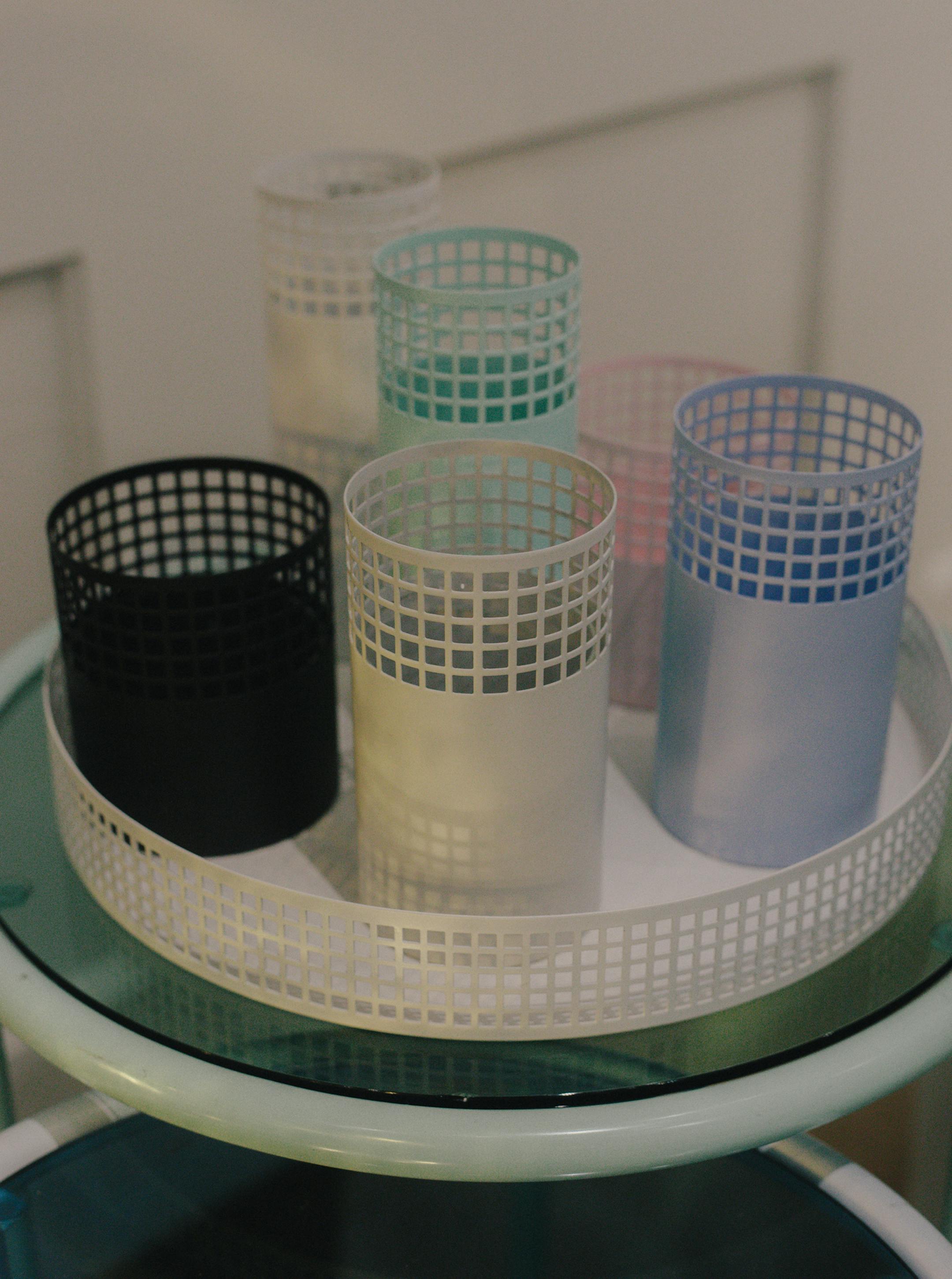
I hope I have a vast and considered knowledge of the past, present and future, and I put it all in my visual blender and see what unfolds. So yeah, there are some '80s references and some futuristic references. Some [Wiener] Werkstatte-y references like this. [Adler held up a tall mint-green powder-coated metal vase with a grid of cutouts below the rim, $48.] This is a perfect example, very Josef ­Hoffmann-y but reinvented in a minty package.

Q: When I look at the Wink Box at home on my computer, Amazon suggests things that I might also like. These include a Dry Guy Boot Dryer, vacuum sealer rolls with a cutter box and an Alaska Bear natural silk pillowcase. I have no idea what these things are.

A: Sounds like you are into some freaky stuff that involves wet boots, long-term food storage and, as for the silk pillowcase, I don't even want to speculate.

Q: What was the brief for this collection?

A: At the end of the day, I'm still an applied artist. I'm trained to solve problems, like, "OK, what is Amazon? What does it need to be?" It needs to be something you can see online. It needs to be stylish, and it wouldn't be the worst thing in the world if it ended up on a lot of Instagram accounts. The prices need to be attractive, so I need to think about technique and materials.

I'm a huge Amazon customer, obvs, who isn't? But I go to Amazon for needs. I think my most recent purchase was like cereal and a madeleine pan and batteries. Amazon wants to become the source for wants, so they came to me to be their first home collection, which was very flattering and of course a chance to get back the money I've spent.

Q: Anything else you want to highlight?

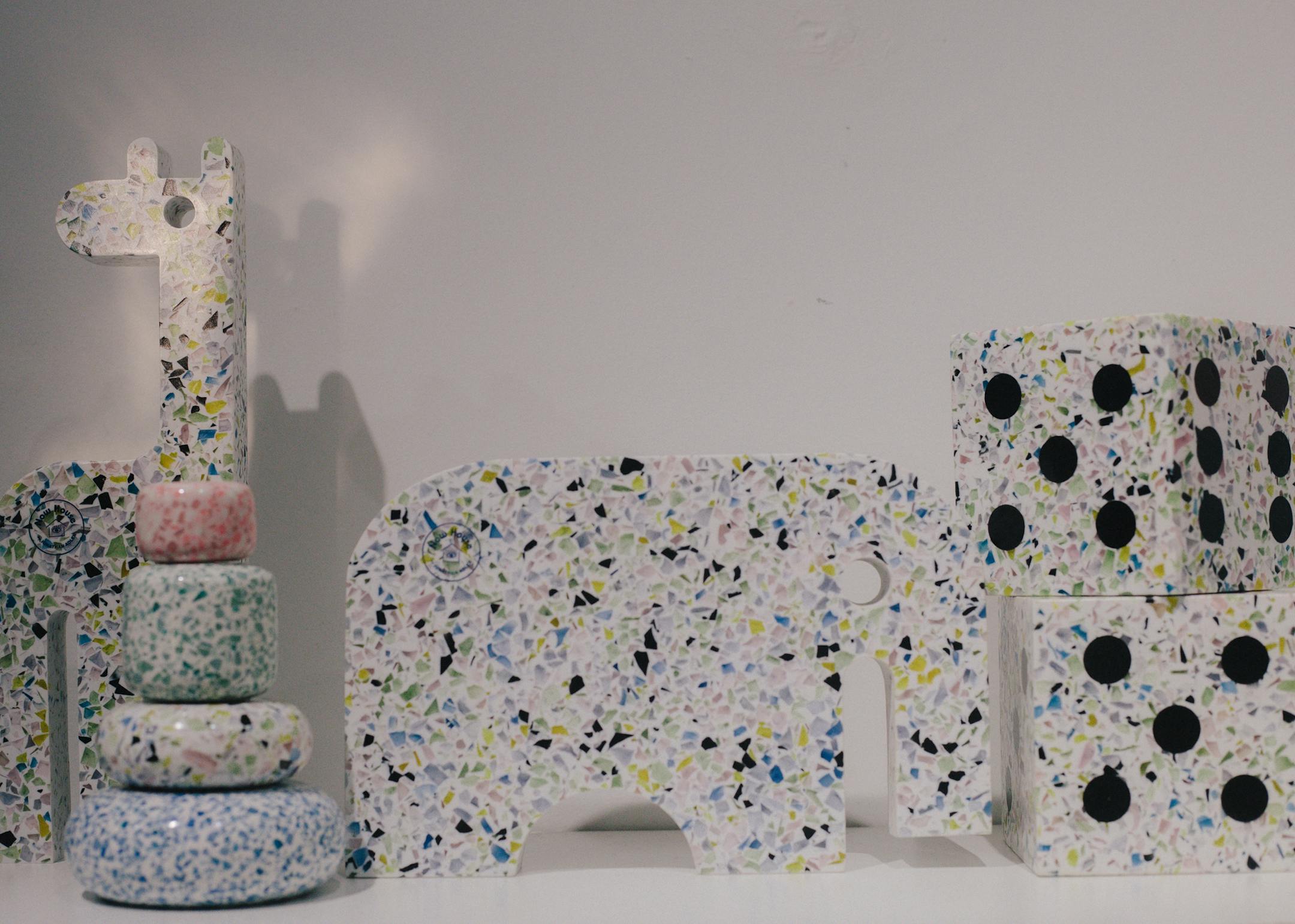
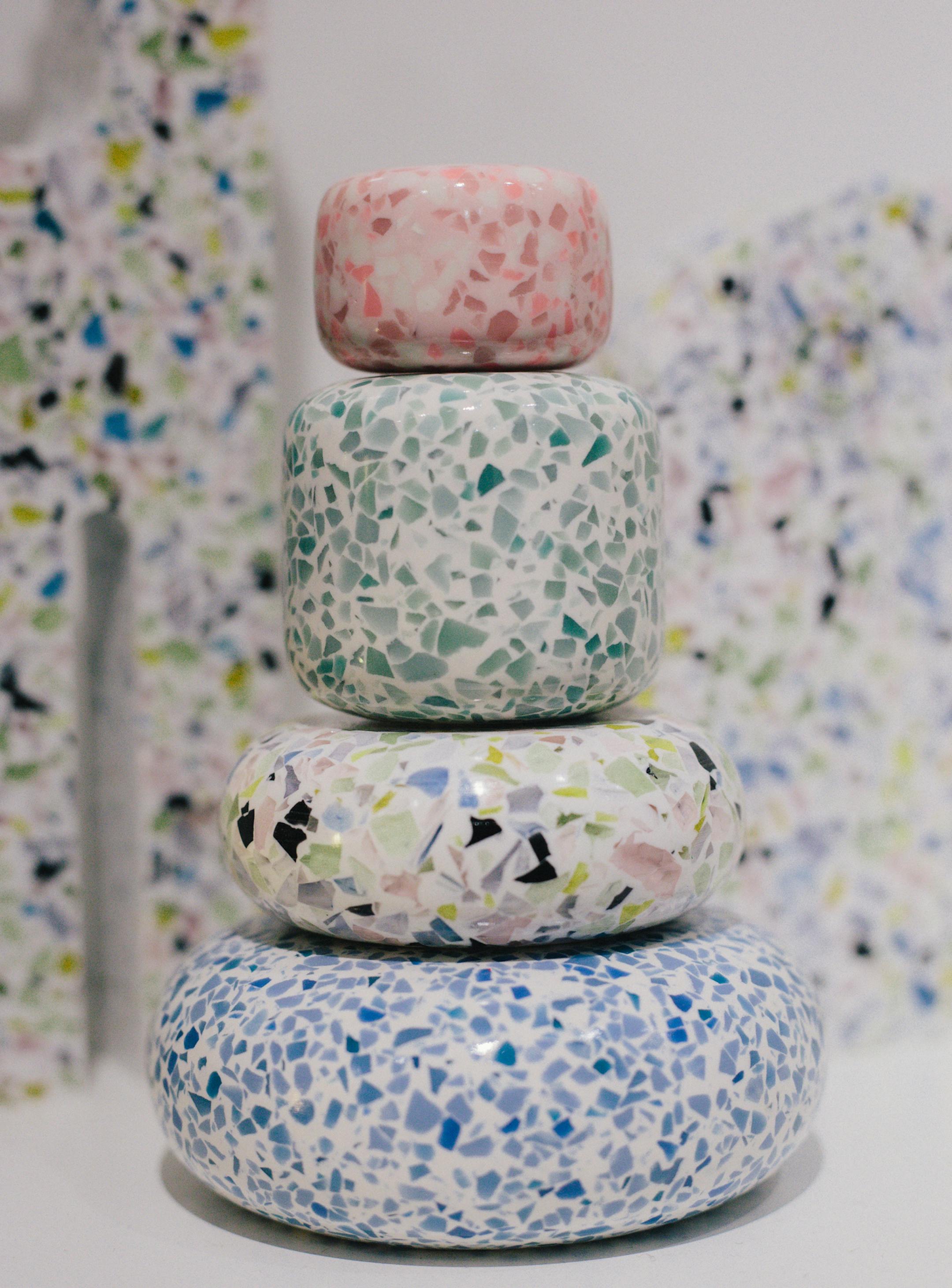
A: I'm really into terrazzo. It's kind of a trendy material. The idea of terrazzo architectural objets is a kind of highfalutin shelfscape thing. I thought it would be fun to take something that's typically done in plaster but do it in affordable terrazzo.

Everything wends its way into myriad things.


The collection features whimsical objects and furniture in mod black and white and postmodern pastels.
The collection features whimsical objects and furniture in mod black and white and postmodern pastels. (The Minnesota Star Tribune)
Jonathan Adler with his new collection, which he designed for Amazon, in New York, Nov. 6, 2018. Adler introduced a collection for Amazon called Now House: whimsical objects and furniture in mod black and white and postmodern pastels.
Jonathan Adler with his new collection, which he designed for Amazon, in New York, Nov. 6, 2018. Adler introduced a collection for Amazon called Now House: whimsical objects and furniture in mod black and white and postmodern pastels. (New York Times/The Minnesota Star Tribune)
Jonathan Adler's new collection, which he designed for Amazon, in New York, Nov. 6, 2018. Adler introduced a collection for Amazon called Now House: whimsical objects and furniture in mod black and white and postmodern pastels. (Nathan Bajar/The New York Times)
At top, Jonathan Adler with his new collection Now House, which he designed for Amazon. The collection features whimsical objects and furniture in mod black and white and postmodern pastels. (The Minnesota Star Tribune)
Jonathan Adler's new collection, which he designed for Amazon, in New York, Nov. 6, 2018. Adler introduced a collection for Amazon called Now House: whimsical objects and furniture in mod black and white and postmodern pastels. (Nathan Bajar/The New York Times)
Jonathan Adler’s new collection, which he designed for Amazon, in New York, Nov. 6, 2018. Adler introduced a collection for Amazon called Now House: whimsical objects and furniture in mod black and white and postmodern pastels. (Nathan Bajar/The New York Times) (The Minnesota Star Tribune)
Jonathan Adler's new collection, which he designed for Amazon, in New York, Nov. 6, 2018. Adler introduced a collection for Amazon called Now House: whimsical objects and furniture in mod black and white and postmodern pastels. (Nathan Bajar/The New York Times)
At top, Jonathan Adler with his new collection Now House, which he designed for Amazon. The collection features whimsical objects and furniture in mod black and white and postmodern pastels. (The Minnesota Star Tribune)
about the writer

about the writer

Penelope Green, NewYork Times

More from No Section

See More
FILE -- A rent deposit slot at an apartment complex in Tucker, Ga., on July 21, 2020. As an eviction crisis has seemed increasingly likely this summer, everyone in the housing market has made the same plea to Washington: Send money — lots of it — that would keep renters in their homes and landlords afloat. (Melissa Golden/The New York Times) ORG XMIT: XNYT58
Melissa Golden/The New York Times

It’s too soon to tell how much the immigration crackdown is to blame.