

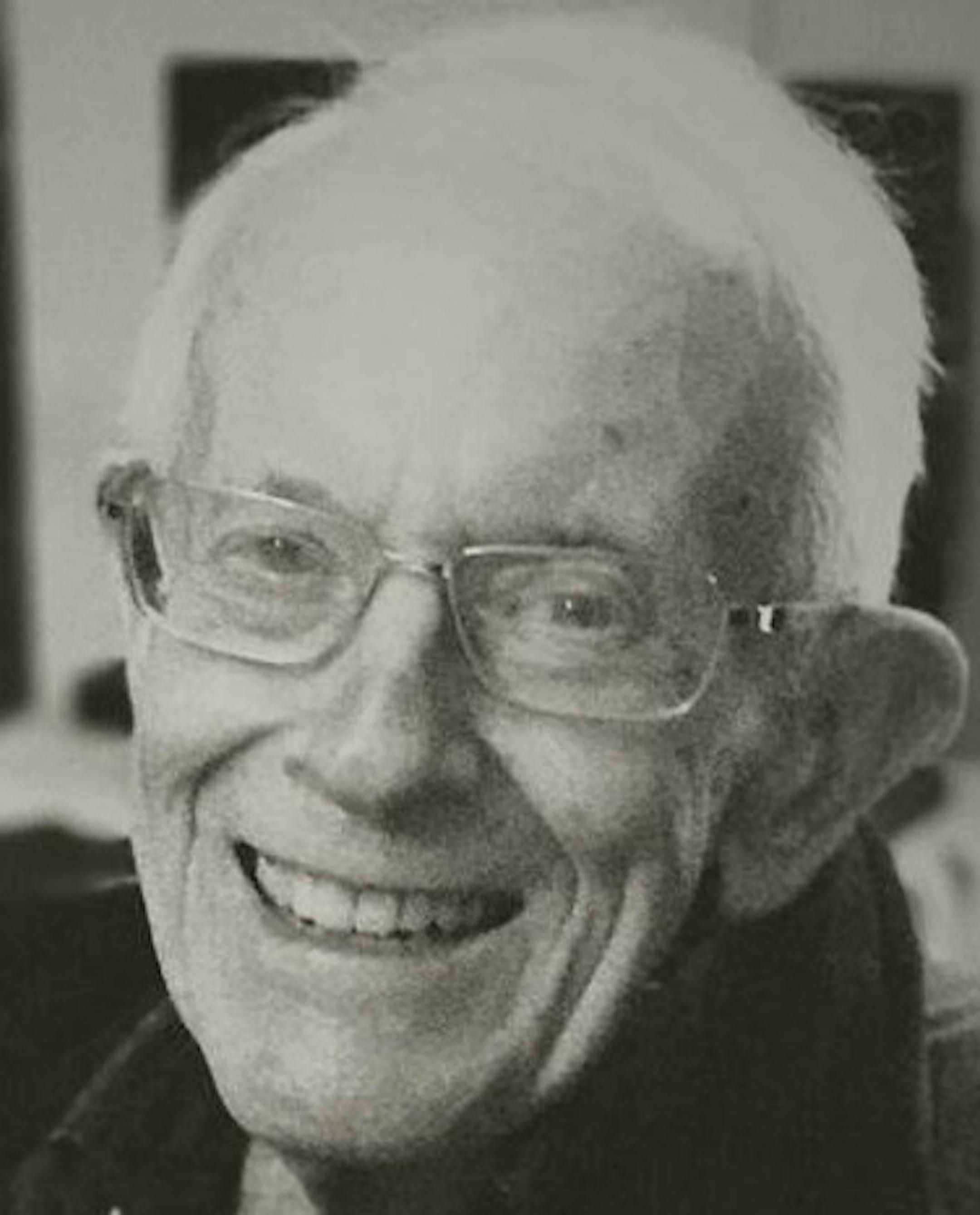
Wayne Tellekson of Minneapolis, a neighbor of John Groos, said it took a while before he realized Groos helped transform Minnesota's schools.
"He didn't talk about himself that way," Tellekson said. "He was kindly and quiet, but I didn't know he was once the state's director of special education."
Groos, 91, died Jan. 27 of congestive heart failure.
In 1966, as the state's director of special education, Groos was responsible for implementing the 1957 Special Education Law that required education services be provided for children and youths with disabilities.
Before then, school districts didn't have to serve children with disabilities. Visually impaired children went to their own state school. Any school that wanted state aid for students with disabilities needed to have at least five.
"Schools could choose to provide services or not, so some students were at home or institutionalized," said Robert Wedl, Minnesota's commissioner of education in the late 1990s. "John implemented the law, traveling around the state explaining to superintendents what needed to be done, talking to colleges about the need for special education teachers and launching in-service training sessions for teachers."
It wasn't easy. There was pushback from administrators, a teacher shortage and budgetary concerns. "People were concerned about how it would get done, but John had this calming effect. He'd lay out a plan, talk about how services were being put into place and identify where the resources were coming from," Wedl said. " 'You can only eat an elephant one bite at a time,' John would say."
Son David Groos of Minneapolis said the lesson he learned early from his dad was to listen to voices that aren't in the mainstream, whether it was from blind or deaf students, or those who were dyslexic or disenfranchised. Several days before he died, he videotaped messages for his grandkids. "He told one of his granddaughters, 'If you have good thoughts about how the world should be run, get in there and fight for it,' " his son said.


