

Minnesota politicians have been intoning some version of the late Gov. Rudy Perpich's mantra — "jobs, jobs, jobs" — for so long that they appear to be having trouble updating their talking points to fit current conditions.
The economic ingredient that's in shortest supply in Minnesota now and in the next decade is not jobs, important though jobs are and ever shall be. Economists have been saying for a few years now — and employers are starting to scream — that what Minnesota needs most are "workers, workers, workers."
That new emphasis isn't tripping off political tongues yet. So I noticed while taking in the GOP take on the latest state budget forecast on Feb. 26.
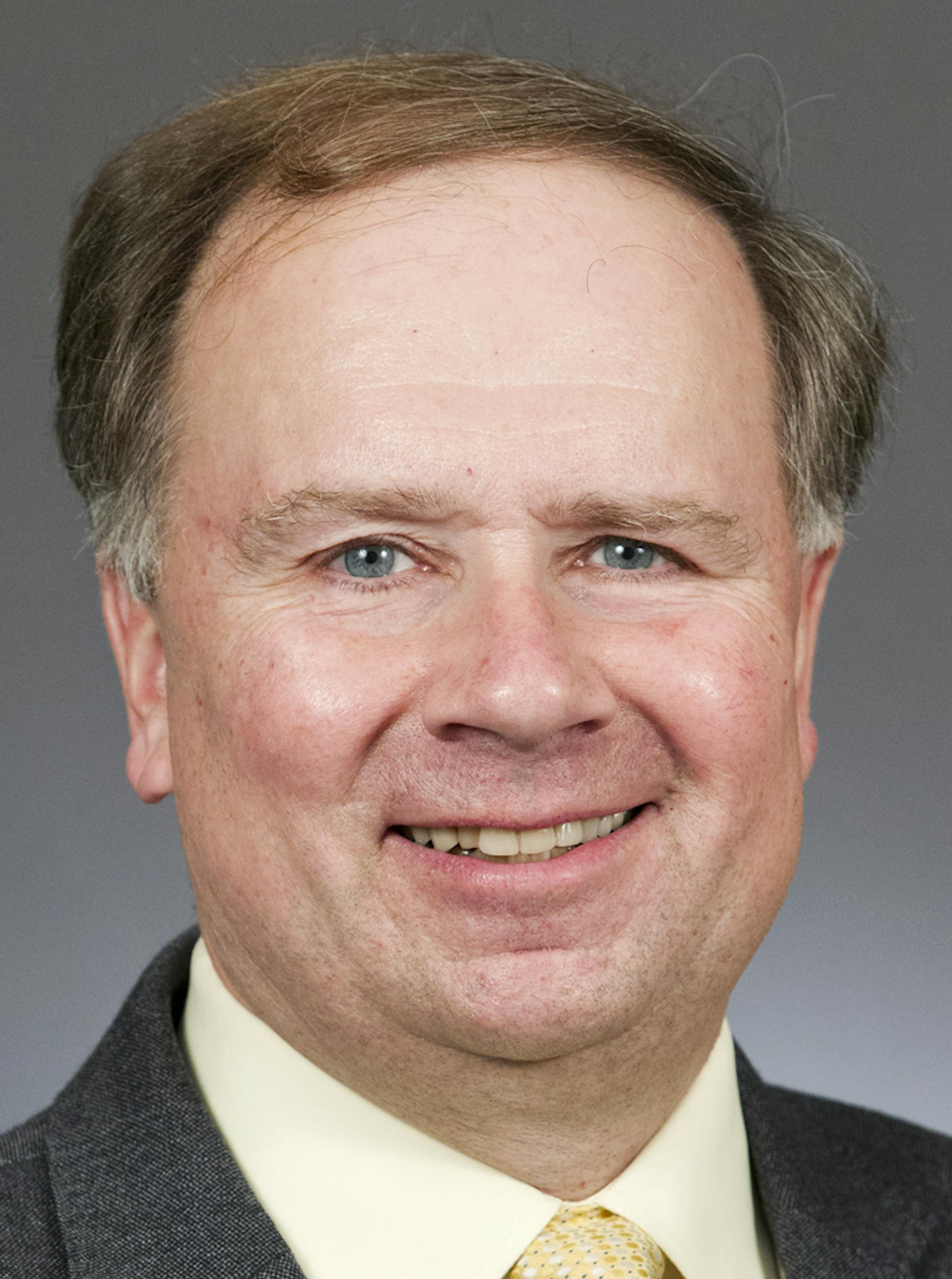
State Rep. Jim Knoblach turned the assembled Capitol press corps' attention to projections of Minnesota growth in employment, personal income and wages through 2019, compared with national averages. In each case and each year, the rate of growth is projected to be slower in Minnesota than the nation as a whole.
"Frankly, we're not comparing very well," Knoblach said. "You have to ask yourself: Why is that? I would submit that part of it is because of this state's tax and regulatory climate and some of the very large tax increases we've seen over the last several years. It's no secret that this is one of the worst states in the country when it comes to our tax climate, our business climate. We need to be doing things that help our jobs climate."
Knoblach undoubtedly speaks for many employers when he blames Minnesota's tax and regulatory regime for assorted ills. But state tax policy isn't the main driver of the lag in employment, personal income and wage growth Knoblach cited, state economist Laura Kalambokidis advises.
Baby boomer retirements are.
"It's simply a factor of demographic change," Kalambokidis explained last week. As the large boomer generation leaves the workforce, it leaves behind a considerably smaller Generation X cohort and millennials who have not yet reached their full economic potential.
![Laura Kalambokidis, state economist. ] JIM GEHRZ • james.gehrz@startribune.com / Minneapolis, MN / December 12 2014 /4:15 AM](https://arc.stimg.co/startribunemedia/7OLJ352M6MLHZPPSZXJAEIKGW4.jpg?&w=1080)


