

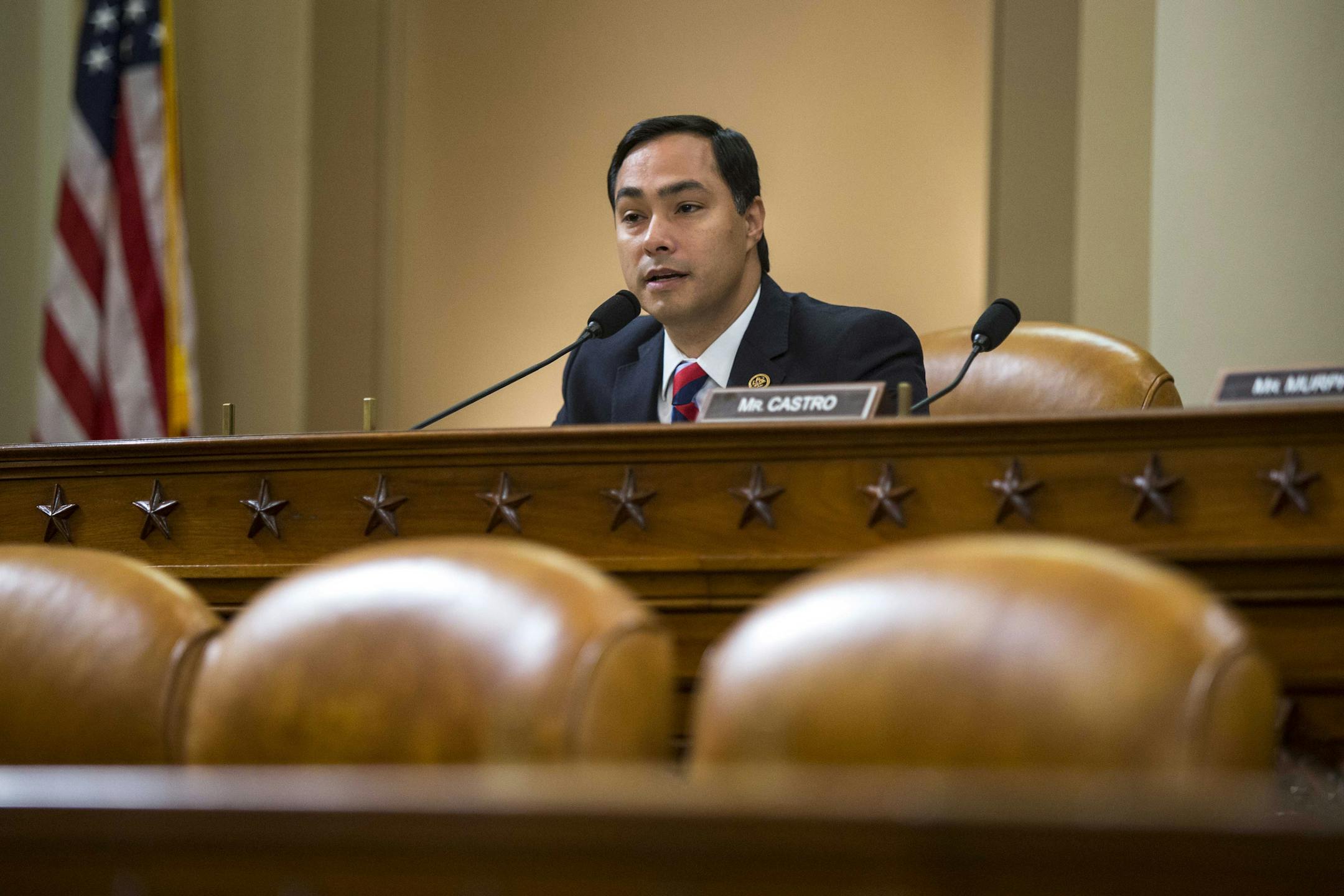
In the wake of the El Paso shootings, U.S. Rep. Joaquin Castro of Texas created a stir with a tweet on his official account listing the names and employers of 44 residents of the San Antonio area who had contributed up to the legal limit to the Trump campaign. The information was a matter of public record but not widely known.
Twitter duly exploded, accusing Castro of "doxxing" donors and warning that his post would incite a deluge of phone calls, vitriol and threats against those named. House Republicans are calling for an investigation, and some commentators are citing the incident as grounds to demand new limitations on campaign disclosure requirements.
Online harassment is a serious and growing problem. And in our current political moment, the boundary between protected speech under the First Amendment and online harassment is porous; even legally protected speech can sometimes result in harassment.
But sharing data as basic as a name and affiliation, unaccompanied by any suggestion, much less threat, of action against those individuals is not harassment. And the future of open political discourse will require us to address the serious scourge of online harassment without misusing the charge in an effort to suppress protected speech.
While harassment is rightfully illegal, public shaming is not. Democracy depends upon the ability of politicians, journalists and citizens to draw attention to what they consider misdeeds. That our smash-mouth discourse can sometimes trigger an outsized public backlash raises serious concerns. But the answer cannot be that we must all restrain ourselves from drawing attention to factual, publicly available information when there is a valid reason to do so.
According to Pew, more than 40% of adults online have experienced some form of virtual abuse. Virulent forms of harassment including threats of physical and sexual violence, doxxing (the exposure of private information like Social Security numbers) and cyberstalking (surveillance with the intent to kill, injure or menace) have perverted online discourse.
Castro's tweet doesn't rise to that level. Under the Texas penal code, online harassment is defined as sending "repeated electronic communications" likely to "harass, annoy, alarm, abuse, torment, embarrass or offend another." His lone tweet did not encourage any specific action, nor provide phone numbers or addresses in a tacit invitation to supporters to reach out (though his inclusion of Twitter tags skirted the line).
True doxxing involves the disclosure of private or sensitive personal information, like Social Security numbers, cellphone numbers and names of children's schools. It is intended to strike fear that the boundaries safeguarding our personal lives have been breached. Doxxing is the online equivalent of having an intruder climb up the fire escape and appear in the window.


