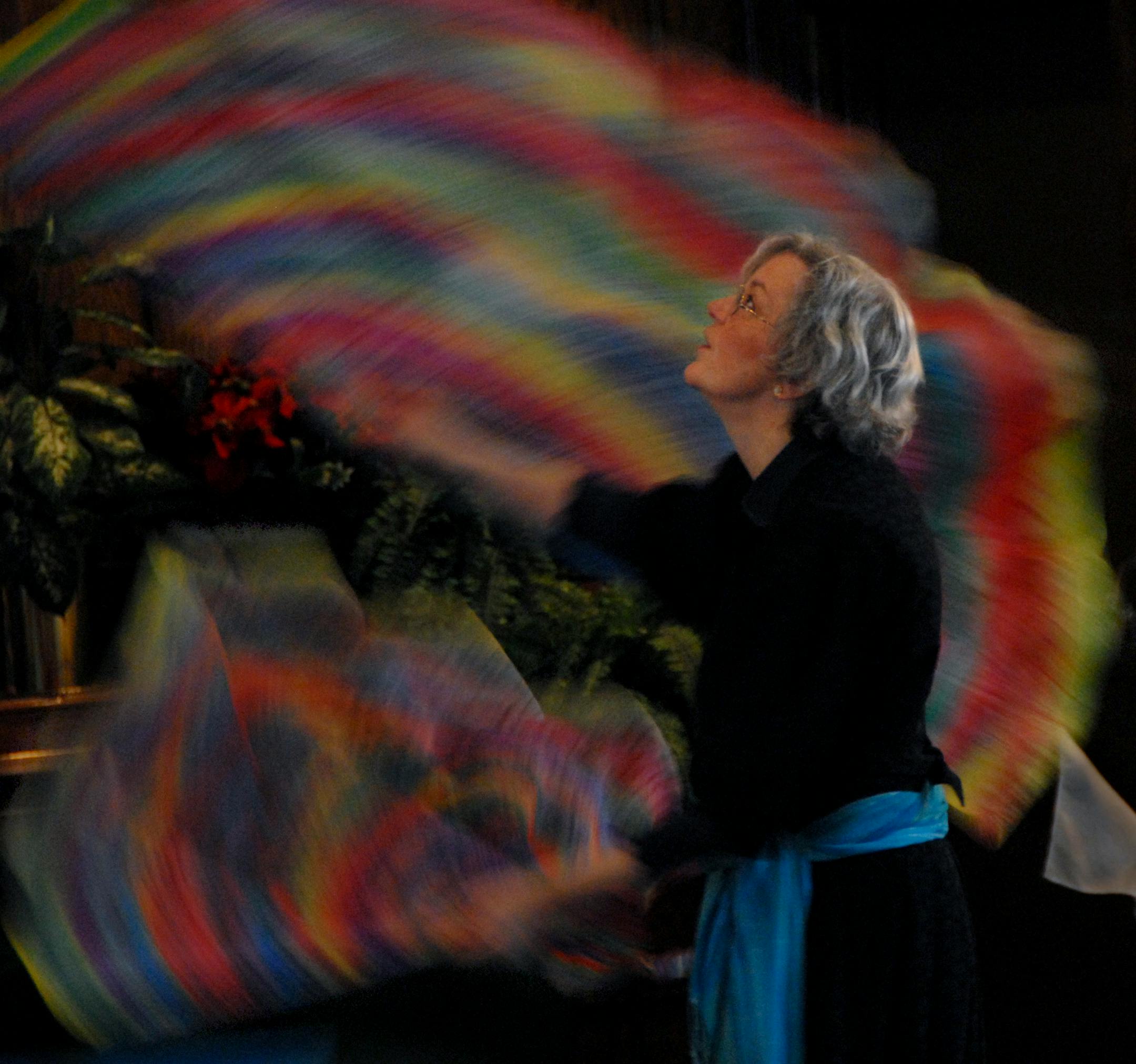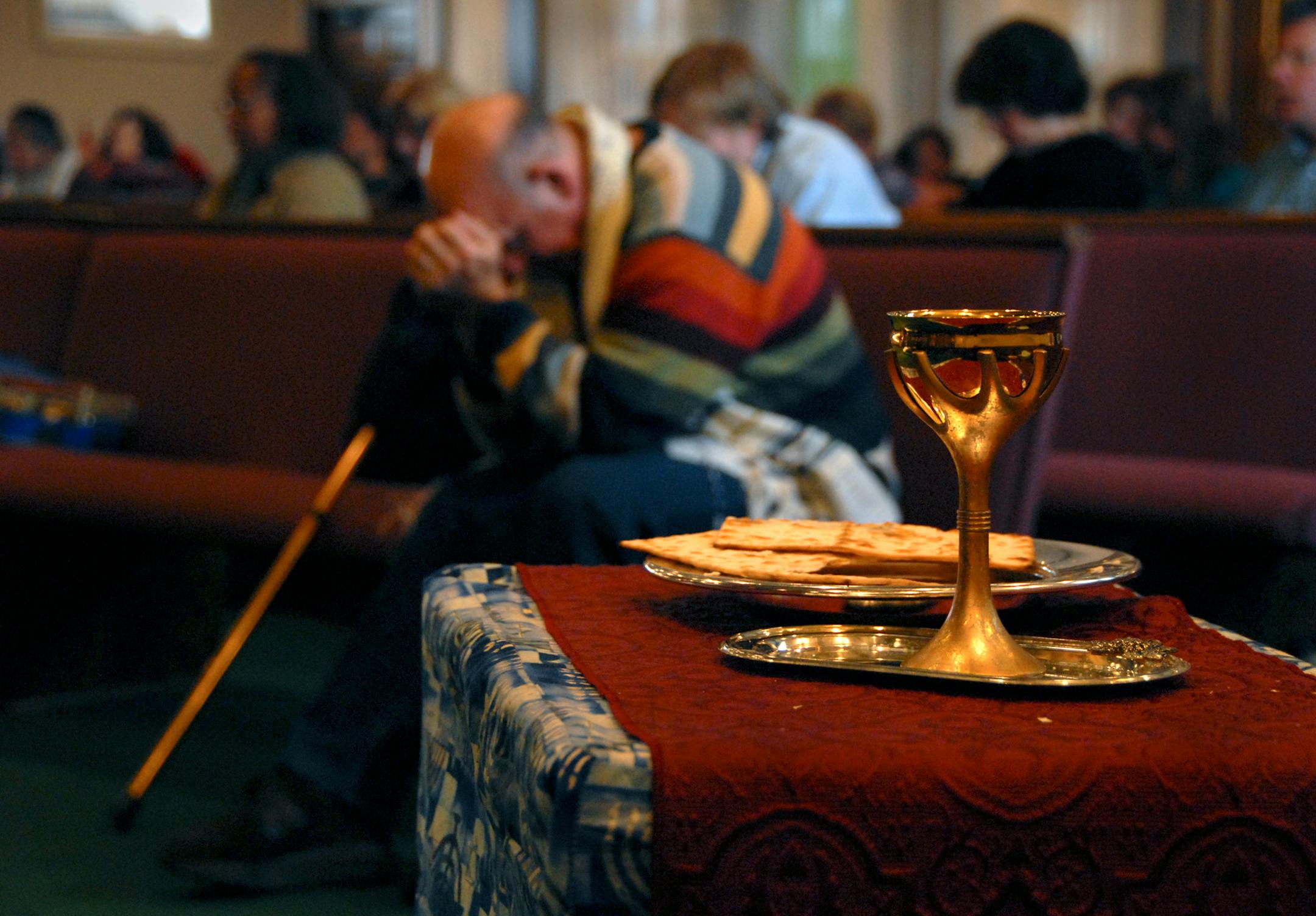
After more than 30 years of leading congregations of Messianic Jews, Rabbi Ed Rothman has developed two very important skills: patience and tolerance. Patience because he knows that he's going to be asked the same question over and over, and tolerance because he knows that some people are going to get angry at the answer.
Messianic Jews are Jews who believe that Jesus Christ was the Messiah. Many Jews think that that makes them Christians, but many Christians still consider them Jews. And a whole lot of people are confused.
"The question I get asked the most is, 'How can you be Jewish and believe in Jesus?'" said Rothman, the rabbi at Seed of Abraham Messianic Congregation in St. Louis Park. "And I always say, 'Don't forget that all of Jesus' disciples were Jewish.'"
When Rothman founded his first synagogue, there were only about six Messianic Jewish congregations nationwide. Now, there are about 400, according to the Messianic Jewish Alliance of America (MJAA) and the Union of Messianic Jewish Congregations. Three of them are in the Twin Cities area: Anoka, St. Paul and St. Louis Park.
In some ways, Messianic Jews are left facing the worst of both religious worlds. They're subject to anti-Semitism by some non-Jews and shunned by some of their fellow Jews. It could be worse. In Israel, Messianic synagogues have been burned down in protest, said Jan Markell, a Minnesota author and radio talk-show host who, like Rothman, was a pioneer in the state's Messianic movement during the 1970s.
"The Jewish community gets very upset with anyone who tries to win over Jews to Jesus," said Markell, founder of Olive Tree Ministry, a Bible-based educational outreach program based in Maple Grove.
Rothman agrees. Since helping launch the state's first Messianic congregation in 1976, he's been vilified in print and in person. But while he preaches about Jesus, he also preaches about acceptance.
"If they believe, we're here as their friends," he said. "And if they don't believe, we're still here as their friends."