


Opinion editor’s note: Strib Voices publishes a mix of commentary online and in print each day. To contribute, click here.
•••
Former Gov. Arne Carlson is a man of letters — literally. Like many Minnesotans, I didn’t exactly subscribe, but somehow I’ve joined the distribution list for his regular political dispatches. They arrive unfiltered and are often unforgettable. If Minnesota had a Substack for retired statesmen, Carlson would own the franchise.
A particularly spicy installment landed in my inbox last week. It was addressed, ostensibly, to State Auditor Julie Blaha, and several people were cc’d. But Carlson’s “public letter” never actually reached Blaha. That’s because he addressed it to a Judy Blaha — perhaps conflating Blaha’s name with that of the state’s legislative auditor, Judy Randall. The two auditing roles have different functions. According to public records, there is no Judy Blaha in state government.
All that aside, however, Carlson’s complaint matters. He was state auditor himself from 1979 to 1991. He’s worried that Minnesota’s watchdogs are asleep — or, worse, have gone missing.
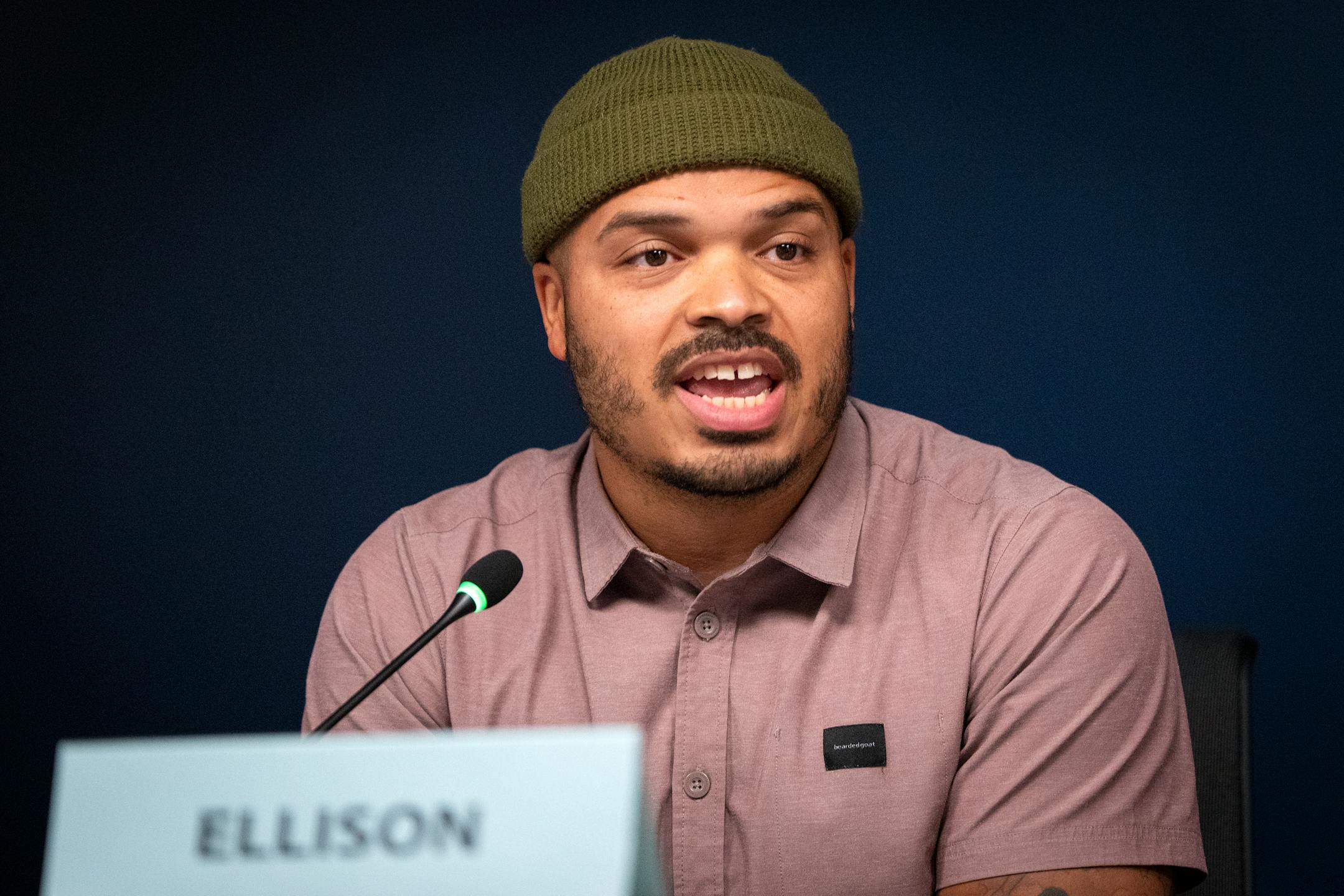
At the center of his latest missive is the minor brouhaha around Minneapolis City Council Member Jeremiah Ellison, who accepted a prestigious yearlong Loeb Fellowship at Harvard. The fellowship is aimed at midcareer professionals “who are shaping the built and natural environment.” Ellison, who is not seeking re-election, has spent much of the year in Boston while continuing to serve on the council, raising some eyebrows back home. Seats on the Minneapolis City Council are full-time roles paying around $110,000 a year. Carlson calls Ellison’s move “morally and ethically wrong.”
That feels overstated. No law has been broken, and no one has alleged corruption. Yes, Ellison’s schedule — which has included attending meetings of the full council but missing committee meetings — does raise a question of judgment. Voters expect their representatives to show up. Literally. A council seat is not a sabbatical.
Even so, Carlson’s deeper worry isn’t about Ellison’s travel itinerary or decision to cast remote votes. It’s about what he believes the episode represents: a culture of self-service and a fading sense of enforced public accountability.


