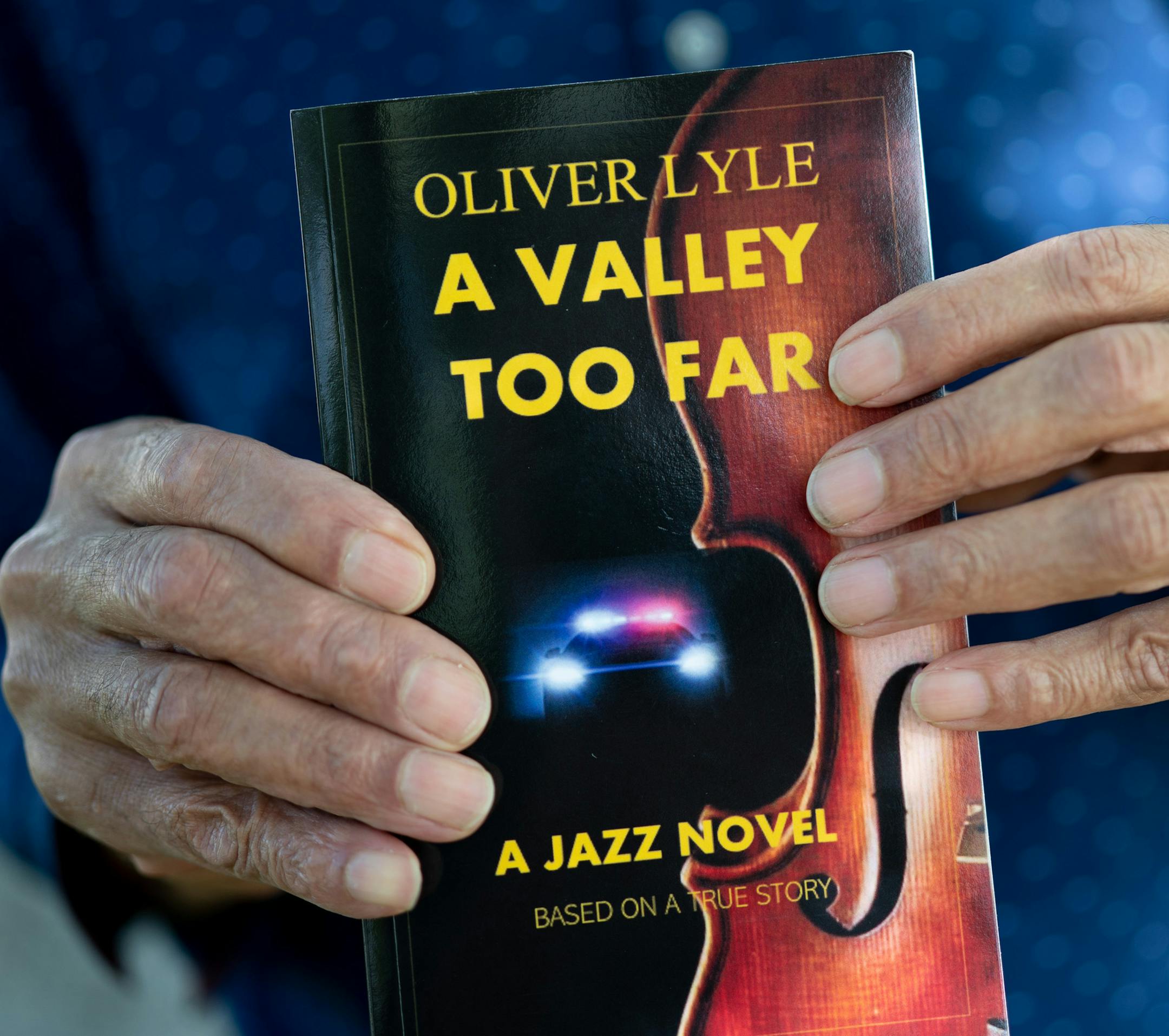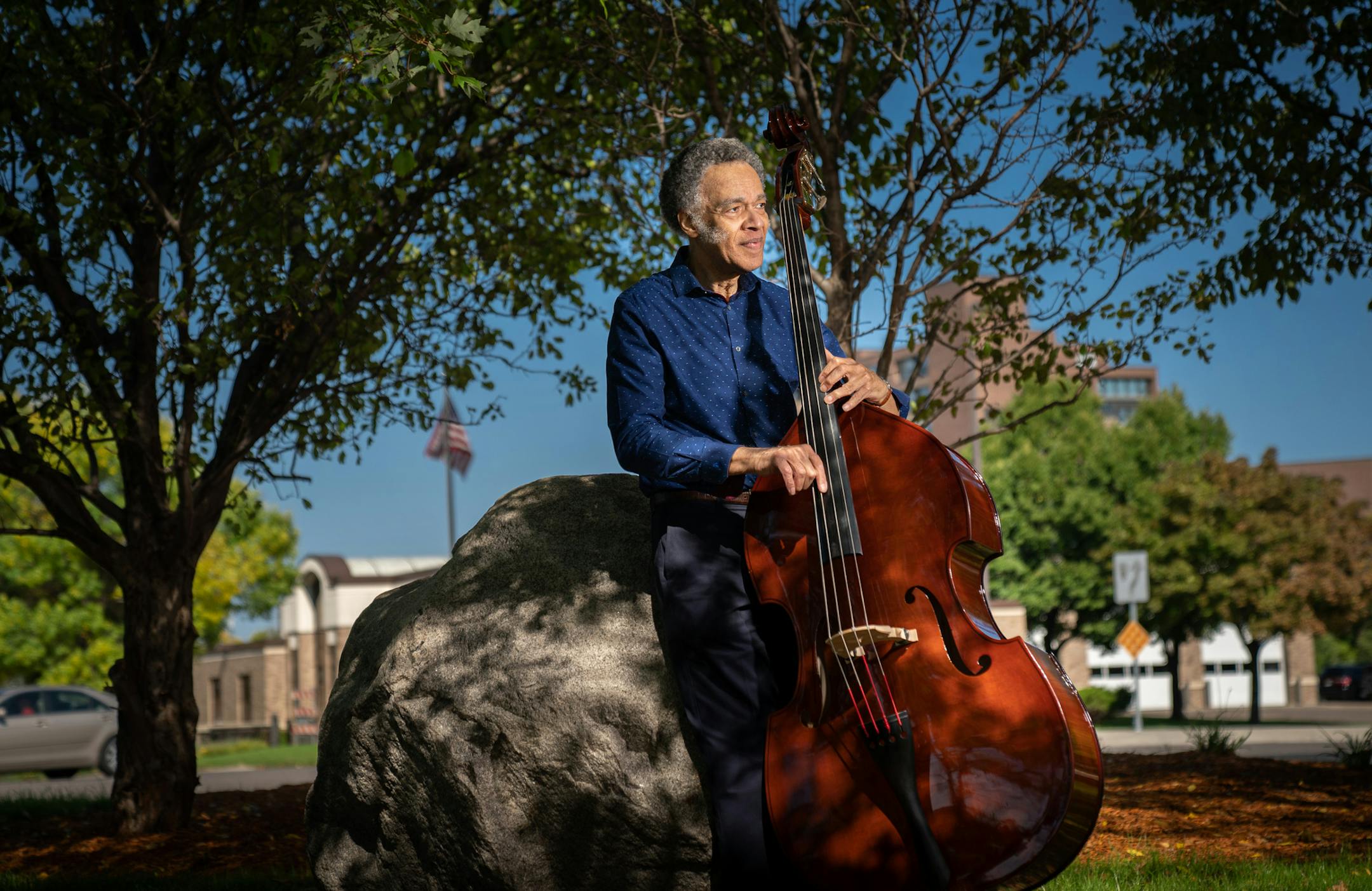
The pounding on his front door was persistent, and Oliver Lyle opened it, expecting to be met by a salesman. He feared it could even be the police.
Instead, it was Golden Valley Mayor Shep Harris. He had come to right a 50-year-old wrong.
"There he was with a suit on, sticking out his hand to introduce himself and apologize for back then," Lyle said. "I never thought anything like that would ever happen."
Lyle, a Black jazz musician and student, was pulled over nine times in six weeks in 1969 while traveling from his apartment in Minneapolis' Dinkytown to the Point Supper Club in Golden Valley, where he performed. He sued several Golden Valley police officers for depriving him of his civil rights, arguing they had exhibited a "pattern of prejudice" by repeatedly harassing him.
"They had like a border check between Minneapolis and Golden Valley," Lyle said. "See a Black person, pull them over. And they would have the audacity to ask, 'Are you lost?' "
For Harris, Golden Valley's mayor for nearly a decade, the moment of atonement with Lyle last year was the missing, long overdue piece in a broader ongoing effort at racial reconciliation.
The murder of George Floyd by a Minneapolis police officer in 2020 has cities across the country taking a hard look at the treatment of people of color by law enforcement.
After the formal apology, Golden Valley has moved forward with hiring an equity coordinator to diversify the city's workforce, including the police department — where 92% of the 26 sworn officers are white — and has formed an oversight commission for the department. In September, the city received a $250,000 public safety grant to fund the commission, as well as an equity audit of police policies and practices that includes training to combat systemic racism.