

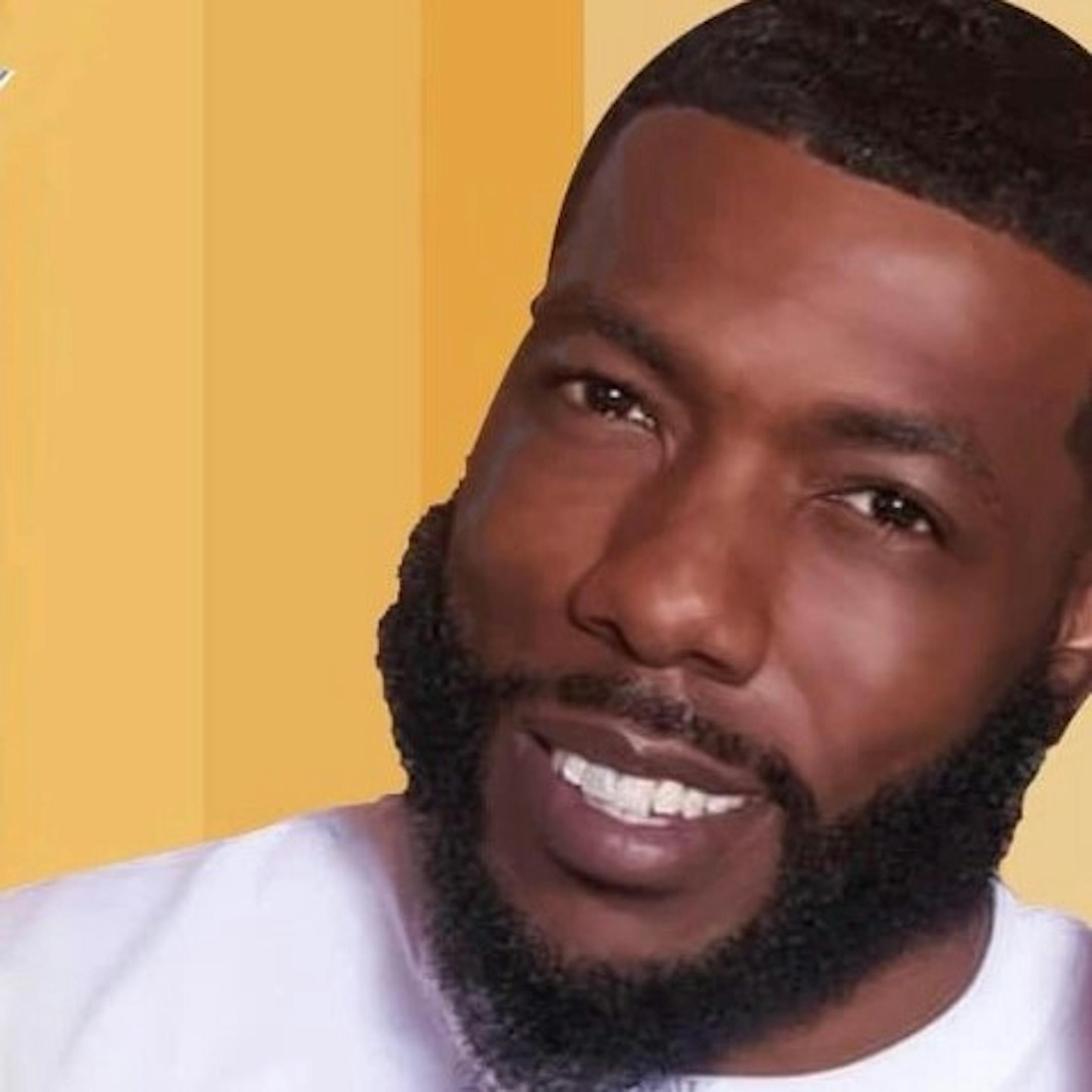
Brooklyn Center counselor Jason Clopton earned his "Teen Whisperer" moniker by gaining the trust of young people. "Jason spoke the language, so he was able to crack a code that a lot of us parents could not," said Sheletta Brundidge, who tapped Clopton to host a show on her podcast network. "He destigmatized mental health for Black kids."
Clopton, who died on Aug. 19 at age 37 after having been diagnosed with acute lymphoblastic leukemia (ALL) last year, also helped parents. Whether he was offering advice on how to talk about racism, or decipher secret social media codes, Clopton began each episode by reminding moms and dads, "You are not the problem, but you are part of the solution."
Clopton grew up mostly in Brooklyn Park and met his future wife, Maria, through mutual friends, at age 19. He wooed Maria by surreptitiously dropping by the coffee shop where she worked.
"I made this drink, and I realized someone didn't pick it up," Maria recalled. "And a lady I worked with was like, 'Oh, this really nice guy came in and said he was ordering you a drink and not to say anything.'" Maria guessed, correctly, that the mystery man was Clopton. "He did so many sweet things," she said.
Clopton was known as a family man and, as the parent of three daughters, a devoted "dance dad" who cheered on every performance. His ability to relate to people and make them laugh helped him form deep connections with everyone he met.
"He could turn a complete stranger or an acquaintance into a true friend," Maria said. "He was one of those people you start talking to and, next thing you know, you've told him your whole life story because you feel so comfortable."
After graduating from the University of Wisconsin-Stout, Clopton worked in education before focusing on counseling teens and their families. His impact on young people was reflected in the numerous condolence messages Maria received from her husband's former students and counseling clients.
Parents, too, benefited from Clopton's communication skills. "He helped parents with having those uncomfortable or difficult conversations where you just don't even know how to start," Maria said. "And he helped with responses to what their kids might tell them and also reading body language and nonverbal tones."


