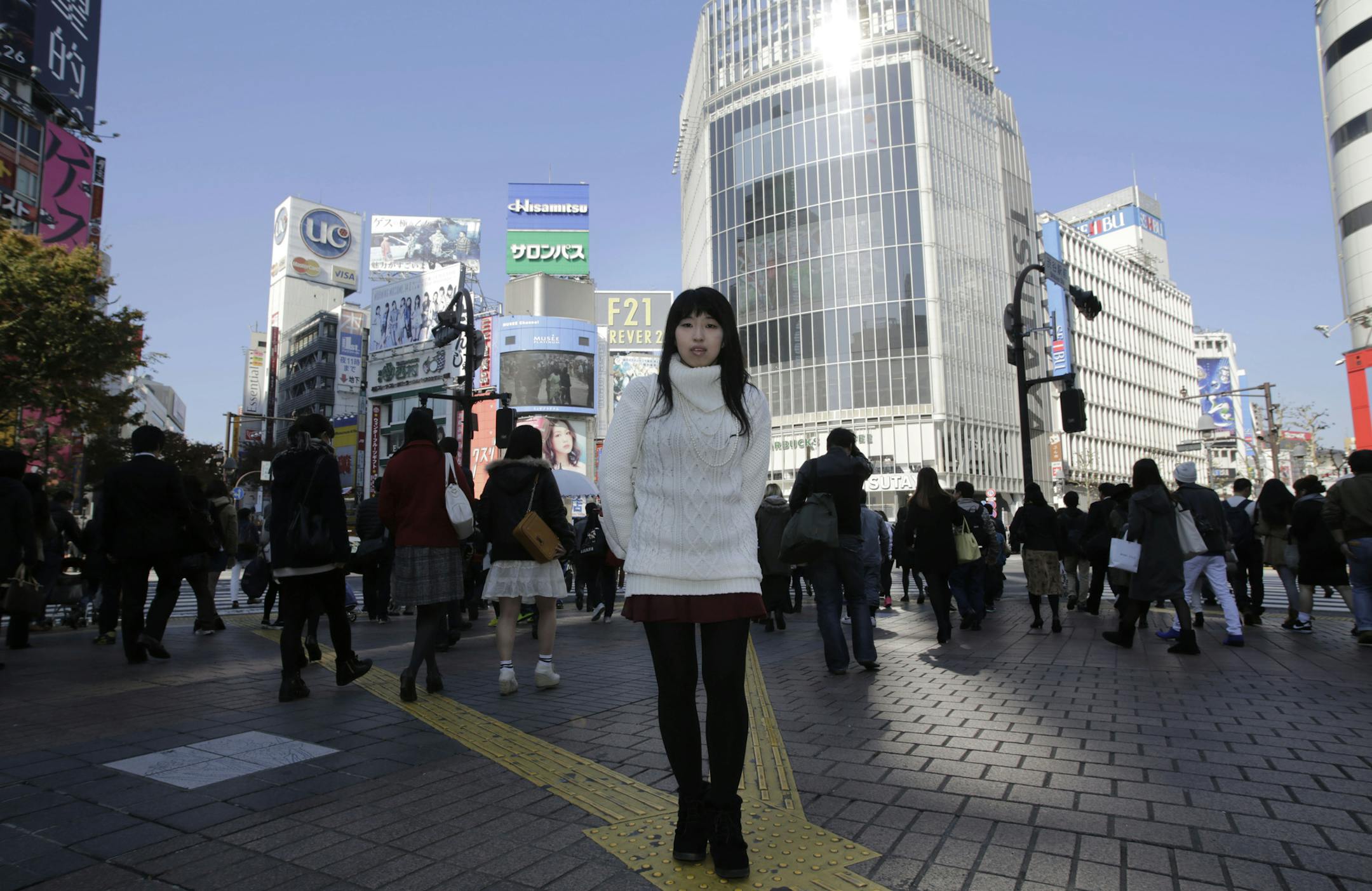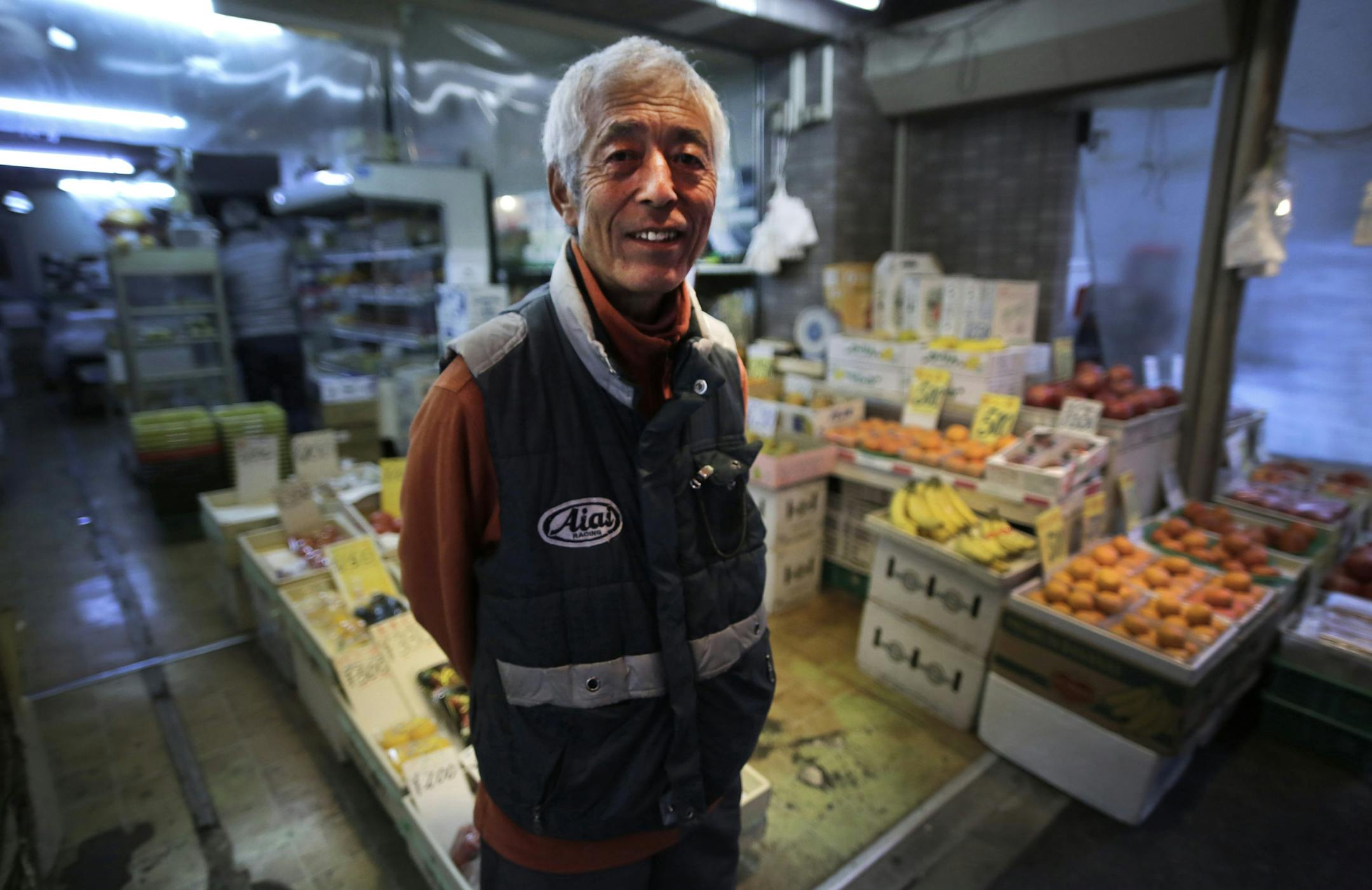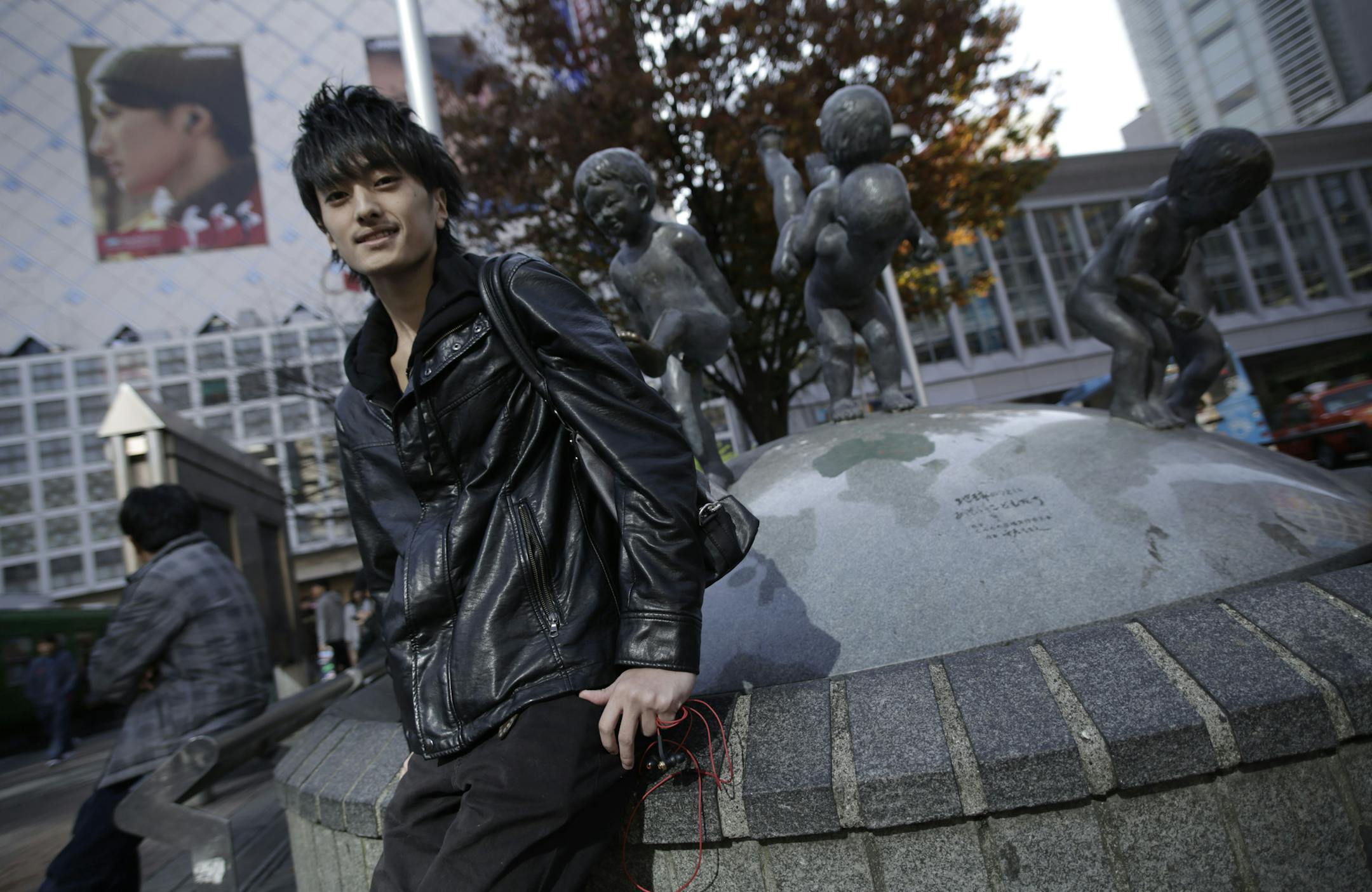
TOKYO – When Prime Minister Shinzo Abe responded to Japan's surprise recession by delaying a sales tax increase, it was a cause for worry, not celebration, for many young Japanese. This generation, barely aware of their country's economic heyday, frets that putting off tough decisions now could make the future even worse.
Despite Abe's unprecedented stimulus efforts — almost everything short of dropping money from helicopters — Japan has slipped into recession less than two years after the last one.
With the country's debt rising, population aging and job security fading, young people in particular wonder when, and if, Japan will bounce back.
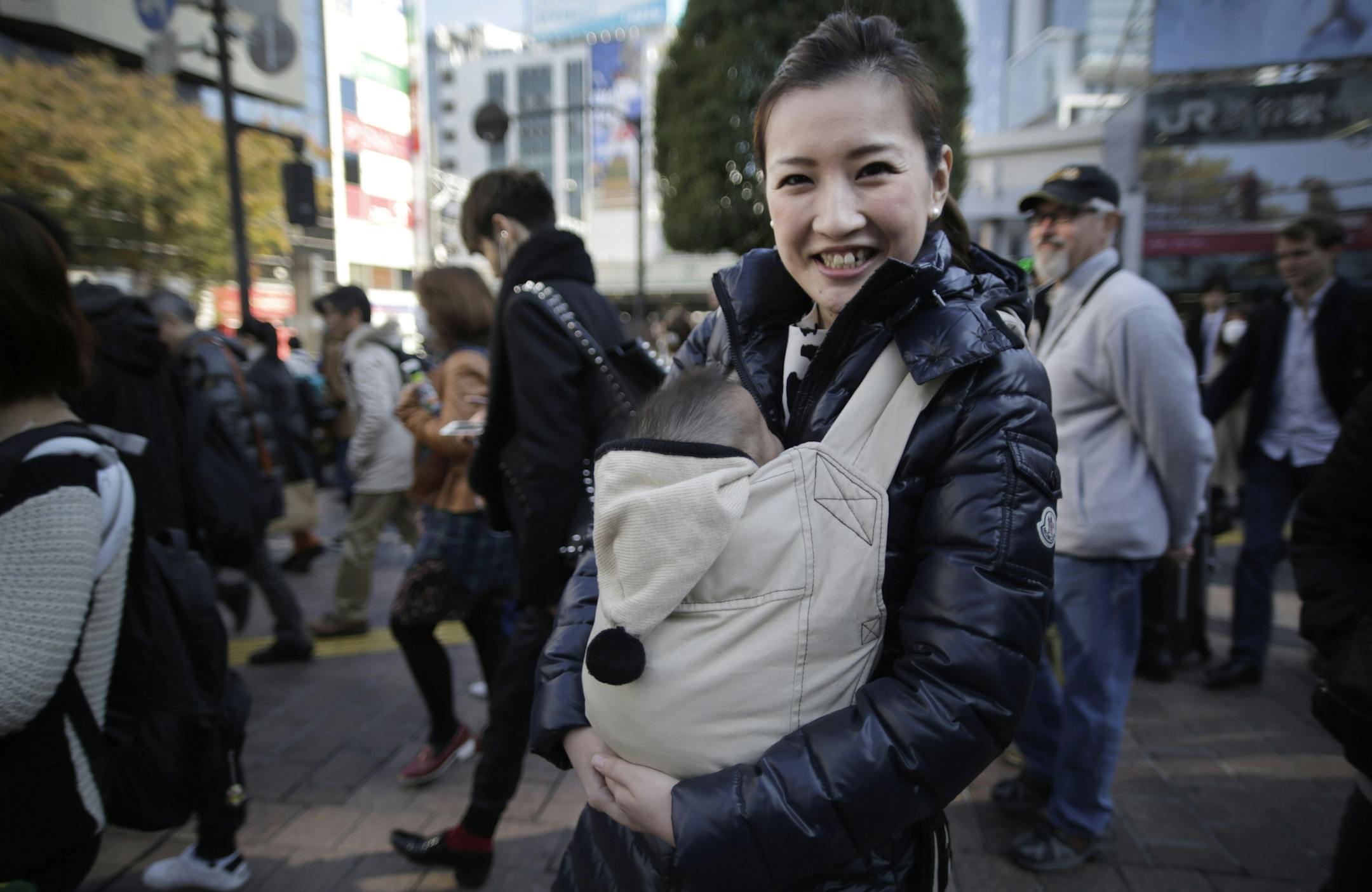
"This is our children's future," said Mai Yamaguchi, a 29-year-old trading company employee heading into the gaudy Shibuya shopping area for an outing with her 4-month-old son and two other young moms and babies. "Child care, elder care, social welfare are all going to be even bigger burdens for us."
Under pressure to reduce the developed world's heaviest per capita debt burden, at more than a quadrillion yen ($8.5 trillion), Abe raised the sales tax from 5 to 8 percent in April, and was supposed to increase it to 10 percent next year. But after the economy, already fragile after two decades of malaise, shrank for two quarters in a row, he put off the second increase until 2017.
Supporting retirees
Yamaguchi was unimpressed by that decision. "I'm grateful to Mr. Abe for his policies to improve child care, but putting off the tax increase, well, they say the pension system is on the verge of bankruptcy. I think it would have been better to go ahead and raise the tax as planned," she said.
The generation born as Japan's economic bubble burst in the early 1990s will be supporting a vast cohort of retirees. Though their nation is rich, with ultramodern public transport, low crime rates and excellent public health services, most are making do without the security of lifetime employment enjoyed by their parents and grandparents.
Meanwhile, Japan's economy is being eclipsed by neighboring China, whose up-and-coming tech and industrial companies are increasingly potent rivals.