

With Minnesota police agencies increasingly able to use recorded license plate and cellphone data to determine where you've been, and when, some state legislators want to rein in the high-tech snooping.
Top law enforcement officials, however, told legislators at a Tuesday hearing that the data is used solely to catch bad guys, not spy on everyday citizens, and that tying their hands on information-gathering could render their crime-fighting tools useless.
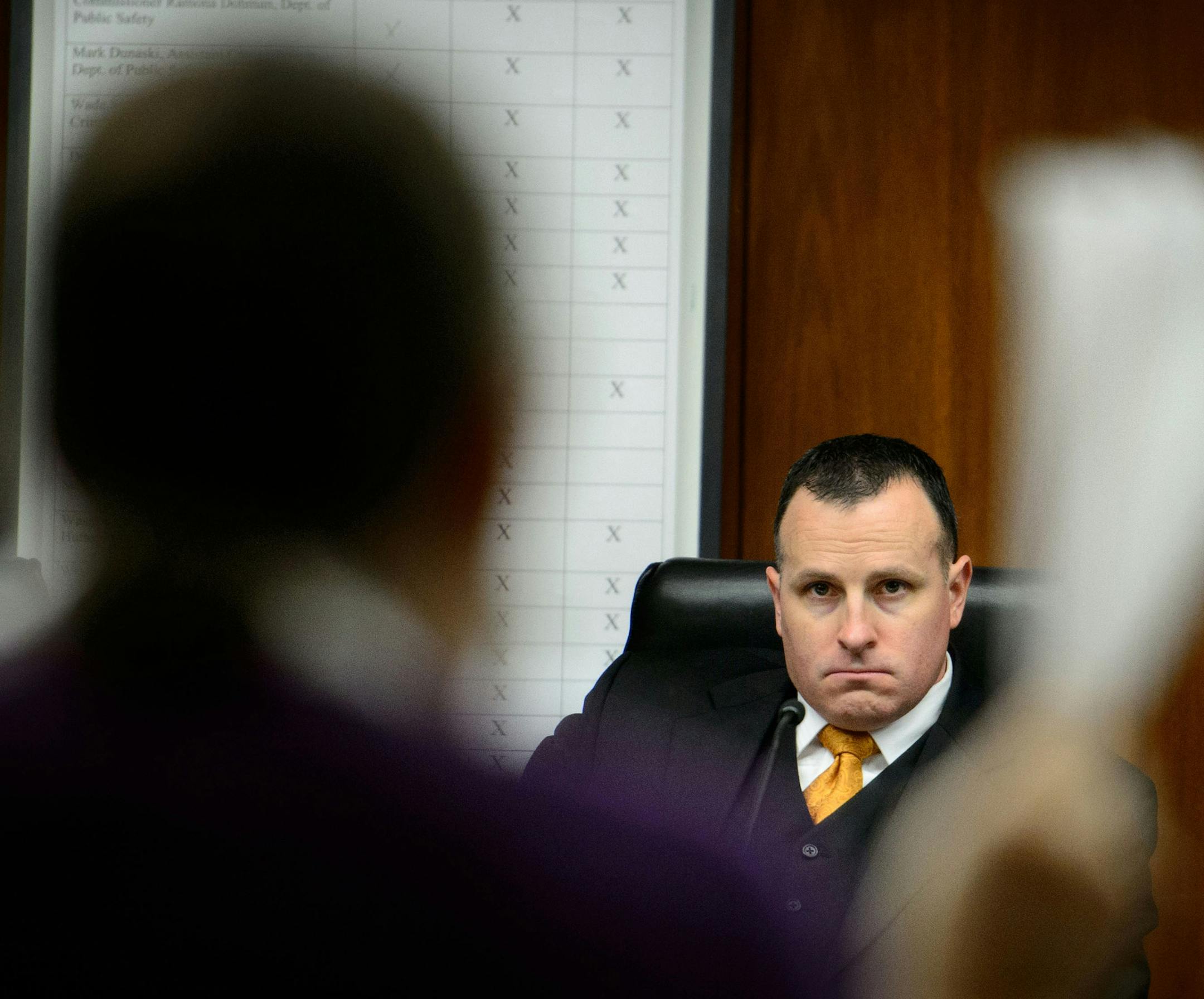
Their claim was met with skepticism by a panel of House lawmakers, who are looking at how to handle the growing use of surveillance tools.
"We as policymakers are in agreement that we're not trying to protect bad actors or throttle law enforcement's ability to keep the public safe," said Rep. Mary Liz Holberg, R-Lakeville. "However, we are concerned about the privacy of citizens, and law enforcement has gone far beyond using information for law enforcement purposes to fishing out of curiosity."
The hearing comes amid growing concerns — and new revelations — about widespread data collection efforts by the National Security Agency and other agencies. Earlier this week documents provided by former NSA contractor Edward Snowden revealed that the agency has developed the ability to grab personal data on smartphone users simply playing a game of "Angry Birds."
In Minnesota, multiple cases of privacy breaches by law enforcement officials who snooped into driver's license data have also caused alarm. Even legal methods have elicited worry, like license plate reading technology that can track vehicle locations, Global Positioning System tracking devices and cellphone exploitation devices with names like "Kingfish," that surreptitiously collect and store the information of cellphone users in a given area.
Rep. John Lesch, DFL-St. Paul, who chairs the House Civil Law Committee, said that once the Legislature is able to fully define law enforcement's surveillance capabilities, it can set boundaries on how to balance public safety and individual privacy. Lesch invited more than 20 law enforcement officers to testify at Tuesday's hearing. Only the heads of five departments showed.
Minnesota Department of Public Safety Commissioner Mona Dohman, whose department owns a Kingfish device that drew pointed questions, said her office would welcome a change in state privacy laws to address new technology. Dohman added that the department has made it a priority to prevent privacy breaches of personal information.


