

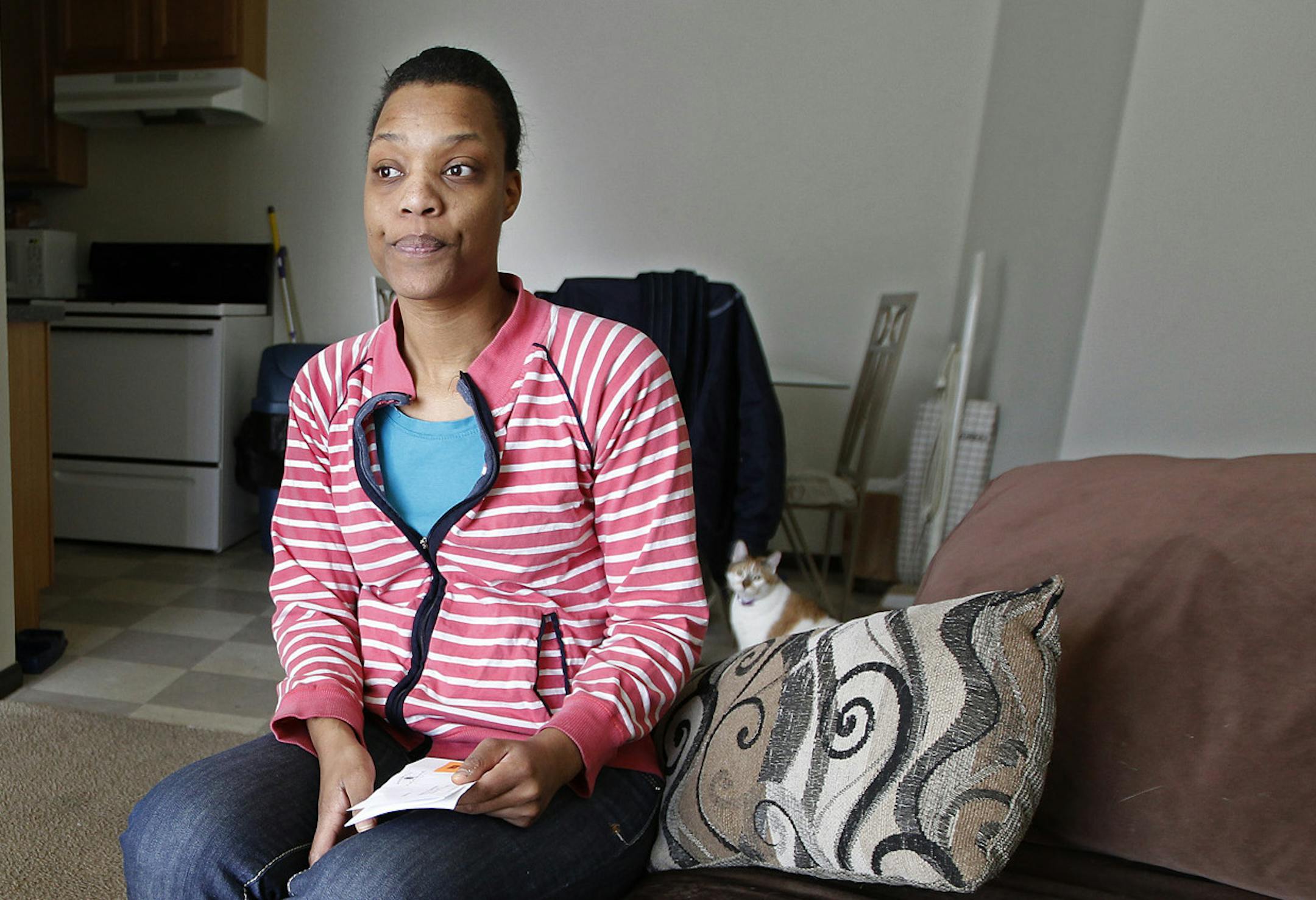
Brittannea Stevenson felt like she had "won the lottery" on the day she qualified for federal rental assistance after a two-year wait. A cashier at a Mankato Wal-Mart, Stevenson imagined finally buying her first car and a new pair of work shoes.
She spent 60 grueling days scouring the North Mankato area, by public transit and taxi, for an affordable apartment and a landlord willing to accept her rental voucher, which would cover two-thirds of her rent.
But her search ended quite unexpectedly two weeks before Christmas, when her unused voucher was revoked because of budget cuts enacted by Congress last year. "I felt like my ticket out of poverty had been stolen from me," said Stevenson, 29, who cut back to two meals a day to make ends meet.
Across the state, low-income families are being squeezed by that same grim combination of scarce housing and unprecedented cuts to the federal government's rental-assistance program, the Housing Choice Voucher Program, known as Section 8.
Minnesota stands to lose up to 3,200 Section 8 vouchers by the end of this year, as the 2012 federal budget cuts take hold, according to the Center on Budget and Policy Priorities in Washington. Already, more than 600 low-income tenants in the Twin Cities are scrambling to find new apartments or come up with hundreds of dollars per month to stay in their existing units.
The cuts, the deepest in the program's 40-year history, have destabilized poor families across the state, from Blue Earth County to the Iron Range, according to local officials. Parents unable to afford the higher rents find themselves seeking new housing and new schools for their children. Others say they are cutting back on food, heat and other necessities.
For many poor families, the squeeze on Section 8 only tightens strains imposed by last year's $85 billion in federal "sequestration" budget cuts, which reduced funding for food stamps, Head Start and other safety net programs.
"This is horrible," said Beth Reetz, director of housing and livable communities at the Metropolitan Council, which administers vouchers for 6,200 families in the Twin Cities area. "This adds one more stress to the lives of people who are already struggling with so many burdens."


