

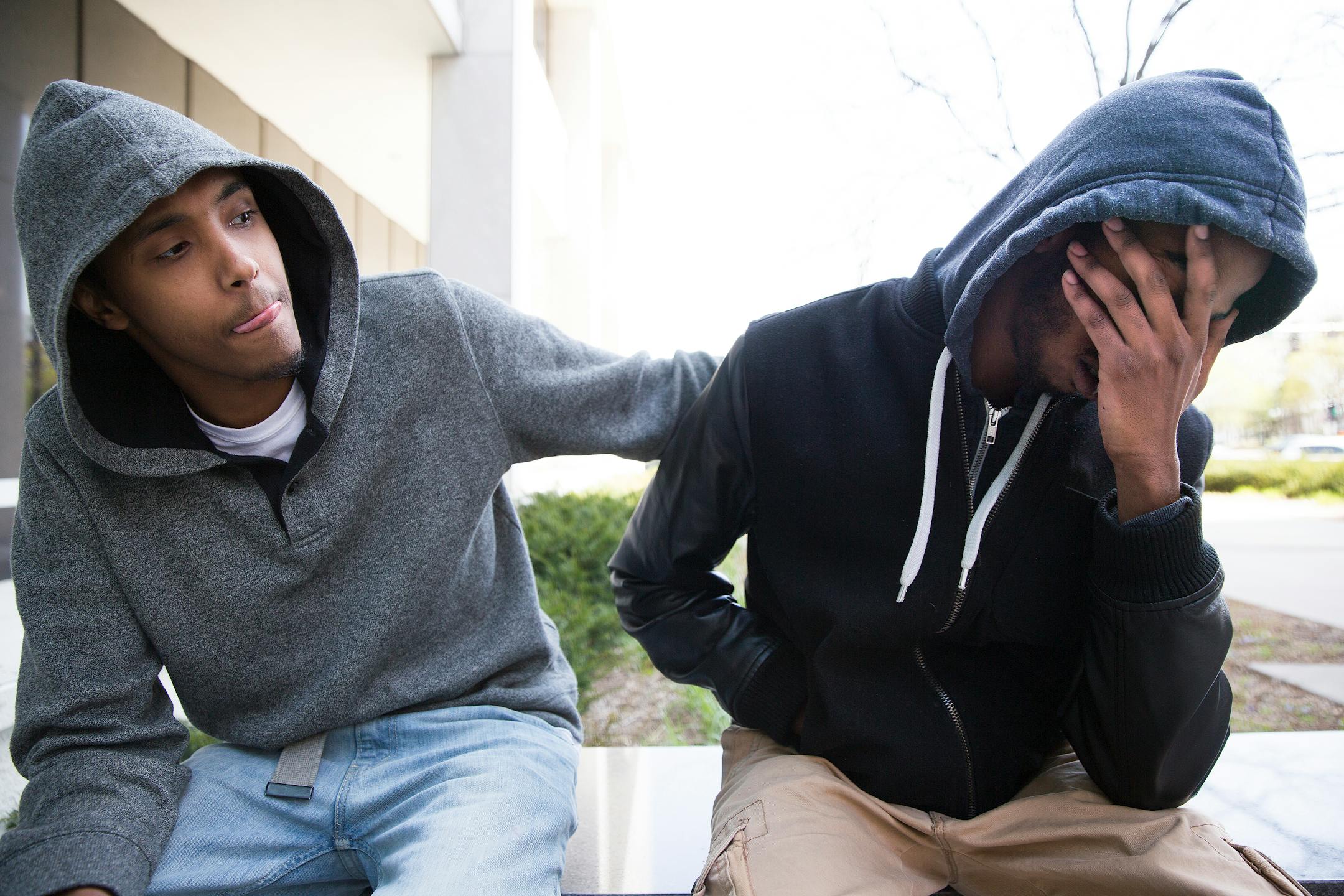
There is no single model to explain young Somali-Americans' yearning to join terror groups like Al-Shabab and the Islamic State in Iraq and the Levant. Alienation, however, is a critical factor that makes young people susceptible to terrorist propaganda. Fortunately, there are policy opportunities to address the problem.
Many of the young men who have traveled overseas were either born and raised in America or were brought here at a very young age. America is the only country they know. So this is not a problem of first-generation immigrants longing to go back to an original homeland.
Moreover, the root cause is not Islam. Youths who have attempted or traveled overseas had limited knowledge of Islam. Some were involved in self-destructive behaviors, including drugs and alcohol abuse and gang membership, before departure. These activities indicate a lack of the self-discipline encouraged in Islam.
Eliminating religion and immigration leaves us with alienation as a critical contributing factor. The alienation in the Somali-American youth experience is the result of rejection, at two levels.
First is rejection by parents. Somali parents often engage youth issues only when the situation reaches a crisis. Ask any school administrator with a large population of Somali-American students, and the problem becomes apparent.
Young Somali-Americans attend school with the added burdens of being among the minority cultures, and come home to parents engrossed with the affairs of Somalia. The combination aggravates the experience of alienation.
Rejection by the broader community is the second level. Somali-American students at St. Cloud Technical High School walked out twice in one month after school leaders failed to take action on numerous incidents of bullying. More than 200 Somali-American students became involved in a brawl in 2013 at South High in Minneapolis after school leaders failed to address issues that had festered for a long time.
Other examples of rejection don't make headlines, but the experience of alienation is the same whether Somali-Americans live in St. Cloud, Minneapolis, St. Paul or Twin Cities suburbs.

