

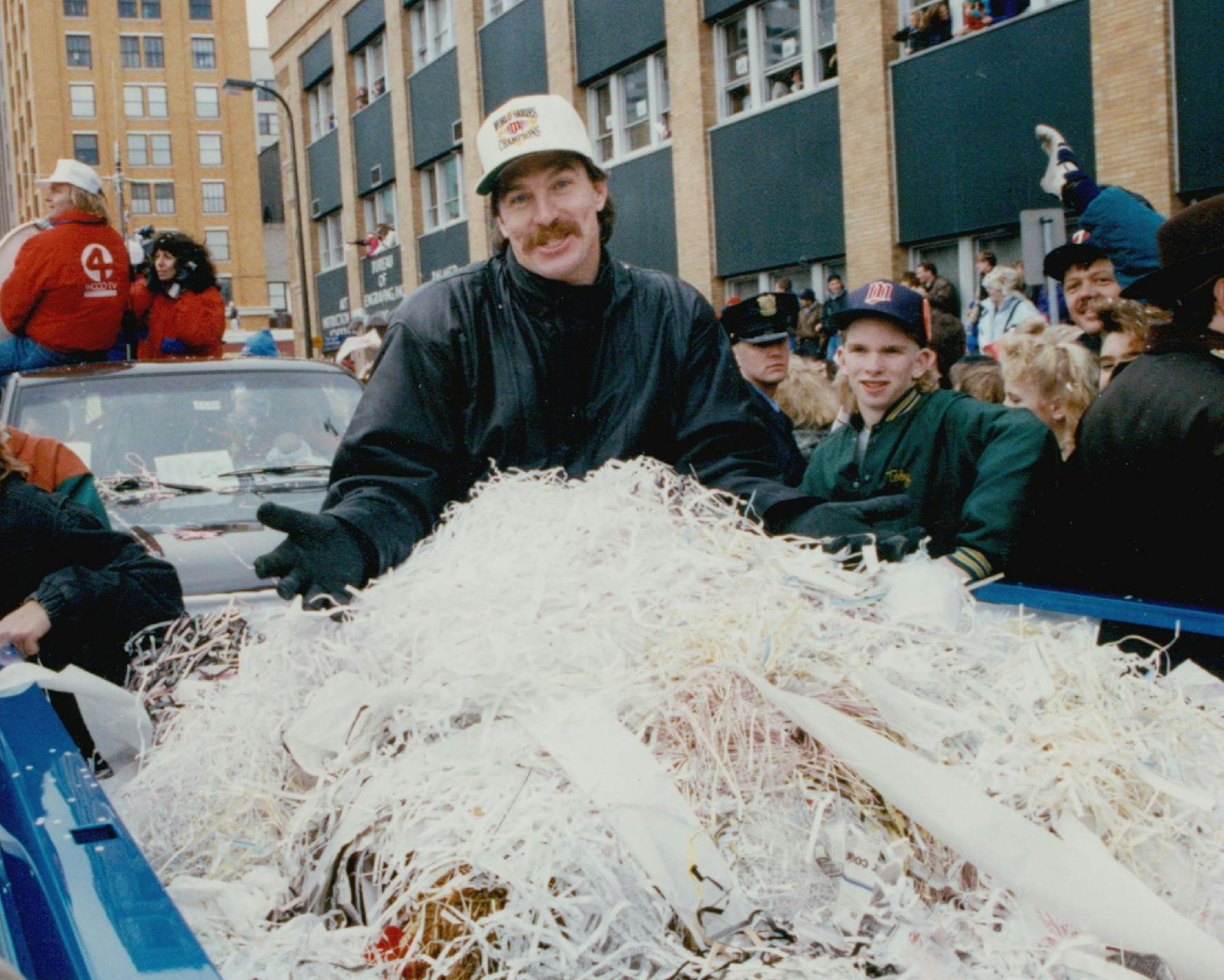
In December, the Modern Era Committee did what the Baseball Writers Association of America came close to, but didn't do, for 15 years: elect Jack Morris to the Baseball Hall of Fame.
Morris' induction represents the final word on one of the most controversial Hall of Fame cases. It was a battle of old school vs. new school. Traditional vs. analytics.
Morris had old-school cred — 254 career victories, a reputation as a fierce competitor and a legendary 10-inning shutout performance in Game 7 of the 1991 World Series for the Twins.
He didn't match up when it came to trendier analytics — namely his substandard WAR numbers (wins above replacement), especially when stacked against starting pitchers already in the Hall and those who have missed induction.
Not to mention Morris has the highest ERA of any starter in the Hall.
"Morris has a lot of things that appeal to the old schoolers on the committee, things that I think are starting to fall out of vogue when analyzed in a more modern fashion," said former Sports Illustrated writer Jay Jaffe, author of the "Cooperstown Casebook," which analyzes the arguments for players who should and should not be in the Hall of Fame.
But now, Morris' case is closed — he is a Hall of Famer. Fourteen of the 16 members of the Modern Era Committee said so. It begs the question, what does this mean for future Hall of Fame criteria, and is there any justice for some of Morris' peers who had similar résumés but didn't get the nod?
Jaffe, who writes for Fangraphs, devised a formula called JAWS (Jaffe WAR Score System) which has gained popularity when evaluating potential Hall of Famers. JAWS averages a player's top seven years in terms of WAR with their overall WAR number for their career. It attempts to balance just how good a player was at his peak combined with his ability to produce at a high level for a number of years.


