

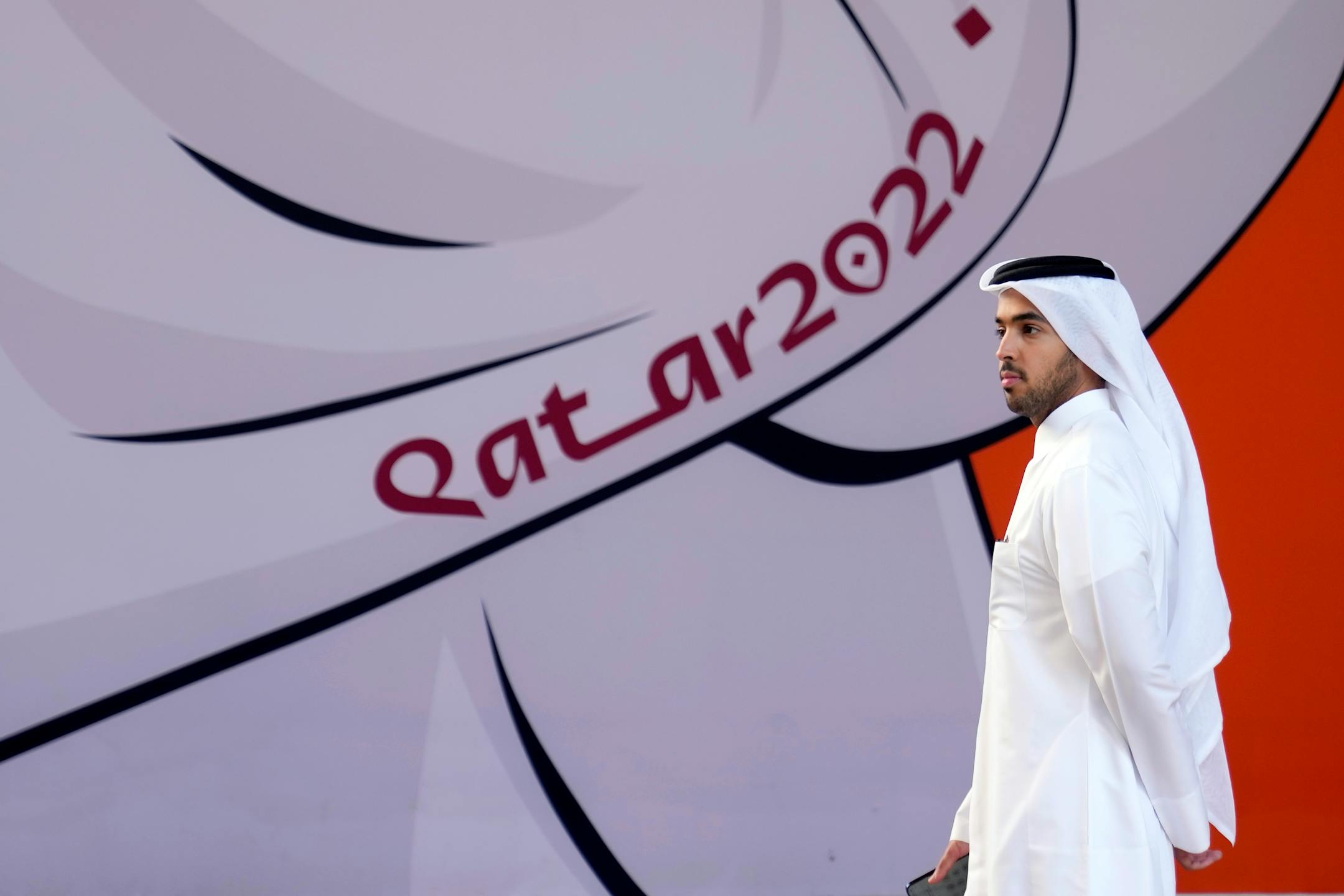
The World Cup will start in Qatar Sunday, the first time the event has been held in the Middle East, and in winter.
Every four years, the world comes together to watch "the beautiful game." Teams come from around the world to represent their cultural identities and display their styles: the obnoxious and eccentric style of France, the flamboyant Brazilian samba football — which everyone admires — the precise Spanish Tiki Taka, the straightforward kick-and-run English style, or the creativity and strength of the Nigerians.
Franklin Foer's 2004 book, "How Soccer Explains the World," describes the logic of Nigerian footballers on the pitch: "They had ingenuity that could make a bland Eastern Bloc team look downright continental."
Teams from former colonies can compete against former imperialist teams on a fair and level field. Shops, churches and mosques close; people use all their sick days to stay home from work and watch the games. In Egypt, coffee shops stay open all day and all night for the game. Daily prayers are postponed until after the game.
The World Cup transcends culture, religion, politics, race, nationality, time and space. But the question is: Why is the most expensive World Cup being held in the Middle East, where most people live in despair and poverty? Let's not spoil the $220 billion party.
Although Qatar is a country of 3 million — mostly expatriates from India, Pakistan and Iran — it will welcome 3 million visitors for a month. An estimated 5 billion worldwide will watch the games.
In the Arab world now, everyone wants to be another Singapore. Instead of building democratic institutions and civil societies, they built shopping malls, seven star hotels, skyscrapers and fancy stadiums.
The World Cup is now becoming a colossal global business — sports and politics are merging into a massive spectacle. Vladimir Putin of Russia spent more than $14 billion on hosting World Cup 2018 to boost his image. The U.S. World Cup 1994 was a commercial bonanza for Nike, Pepsi, Coke, Budweiser and the Energizer Bunny. Billions were spent to invade our minds. Brazil spent more than $15 billion to tout its erstwhile economic miracle. The World Cup is becoming an image makeover.


