

The Irish love Halloween as much as we do. The holiday originated in Ireland more than 2,000 years ago as the ancient Celtic festival Samhain, marking the end of harvest season and the beginning of winter.
Back then, turnips, not pumpkins, were carved into spooky figures, a practice to ward off evil spirits. We recently traveled through southwest Ireland, where pumpkins decorated pubs and bars and the doorsteps of homes and shops — all to be carved for Halloween night, as we do here.
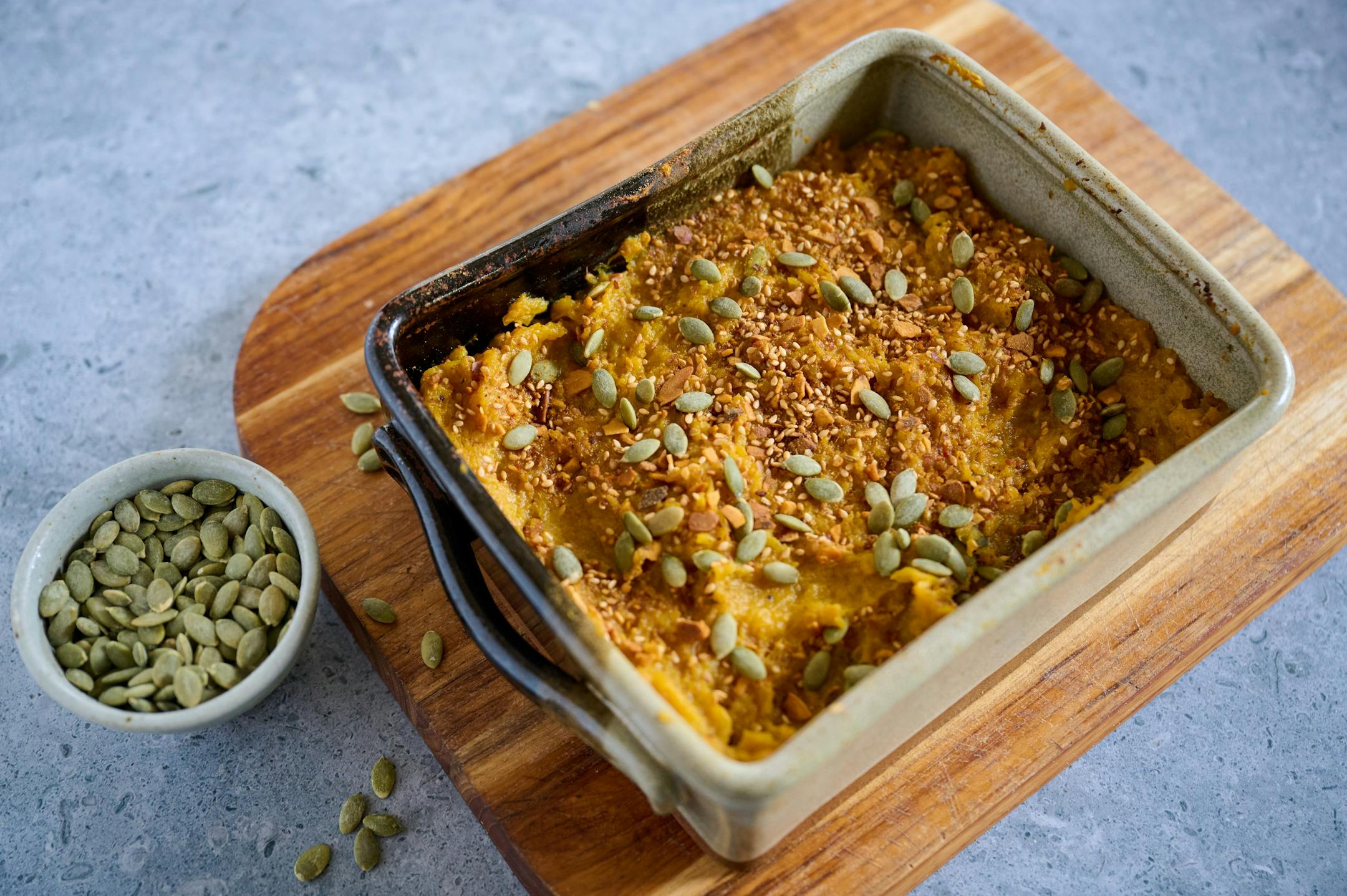
On cafe and bar menus were pumpkin stews with chorizo, roasted pumpkin salads with tangy goat cheese and toasted hazelnuts, and simple roast pumpkin mash, a flavorful alternative to mashed potatoes for roast chicken or pork. Inspired by those thrifty Irish cooks, I’m working pumpkin into my dinners back home.
Pumpkin purée is extremely versatile, just few scoops stirred into a spicy chili will sweeten and tame its heat; it can add body and earthiness to stews. Keep it in the refrigerator for several days, ready to blend with stock into a warming creamy soup without adding cream. It freezes nicely, too. No doubt, fresh pumpkin purée is a far better choice than canned for scones, breads, cakes and pies.
At the farmers market, look for the smaller varieties such as “sugar” or “pie” pumpkins with names like Baby Pam, Autumn Gold, Ghost Rider and New England Pie, weighing anywhere from 4 to 8 pounds. The pretty Cinderella pumpkin — a flat, ribbed pumpkin with vibrant orange flesh — is another good choice.
The pumpkins you choose should be smooth, not marked with soft spots or bruises. Smaller pumpkins are sweeter and have a dense, creamy flesh. Easy to carve, they make adorable jack-o’-lanterns. The huge pumpkin varieties you see have been bred for decorating and carving, not cooking.
With Thanksgiving on the horizon, think about using the sweeter, smaller pumpkins for Halloween and fall decor and then turn them into a delicious and useful purée.
Pumpkin Purée (Savory and Sweet)
Makes 4 to 5 cups.


