

Is it nearly over?
In 2021 people have been yearning for something like stability. Even those who accepted that they would never get their old lives back hoped for a new normal. Yet as 2022 draws near, it is time to face the world's predictable unpredictability.
The pattern for the rest of the 2020s is not the familiar routine of the pre-COVID years, but the turmoil and bewilderment of the pandemic era. The new normal is already here.
Remember how the terrorist attacks of Sept. 11, 2001, began to transform air travel in waves? In the years that followed each fresh plot exposed an unforeseen weakness that required a new rule. First came locked cockpit doors, more armed air marshals and bans on sharp objects. Later, suspicion fell on bottles of liquid, shoes and laptops. Flying did not return to normal, nor did it establish a new routine. Instead, everything was permanently up for revision.
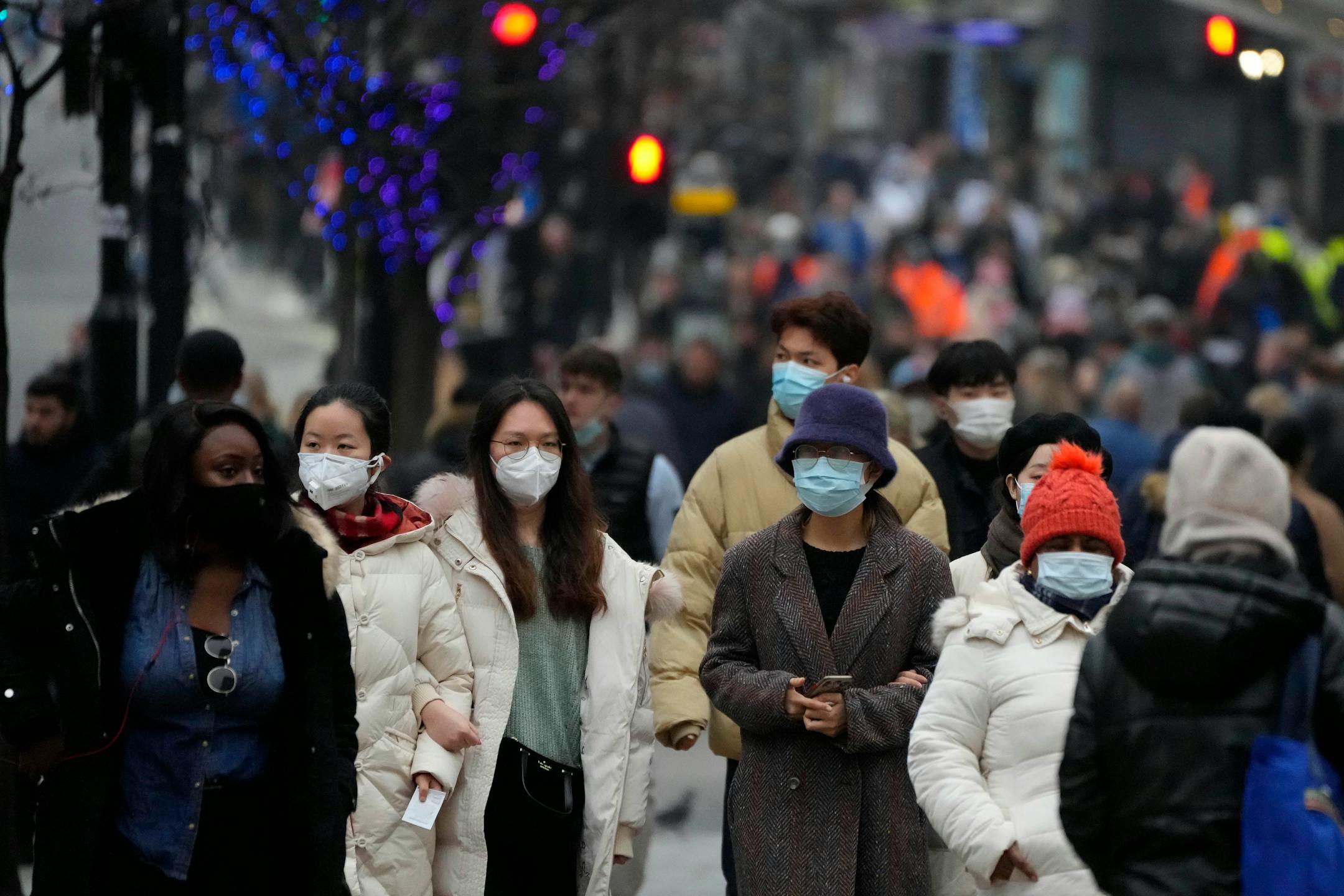
The world is similarly unpredictable today and the pandemic is part of the reason. For almost two years people have lived with shifting regimes of mask-wearing, tests, lockdowns, travel bans, vaccination certificates and other paperwork. As outbreaks of new cases and variants ebb and flow, so these regimes can also be expected to come and go.
That is the price of living with a disease that has not yet settled into its endemic state.
And COVID-19 may not be the only such infection. Although a century elapsed between the ravages of Spanish flu and the coronavirus, the next planet-conquering pathogen could strike much sooner.
Germs thrive in an age of global travel and crowded cities. The proximity of people and animals will lead to the incubation of new human diseases. Such zoonoses, which tend to emerge every few years, used to be a minority interest. For the next decade, at least, you can expect each new outbreak to trigger paroxysms of precaution.


