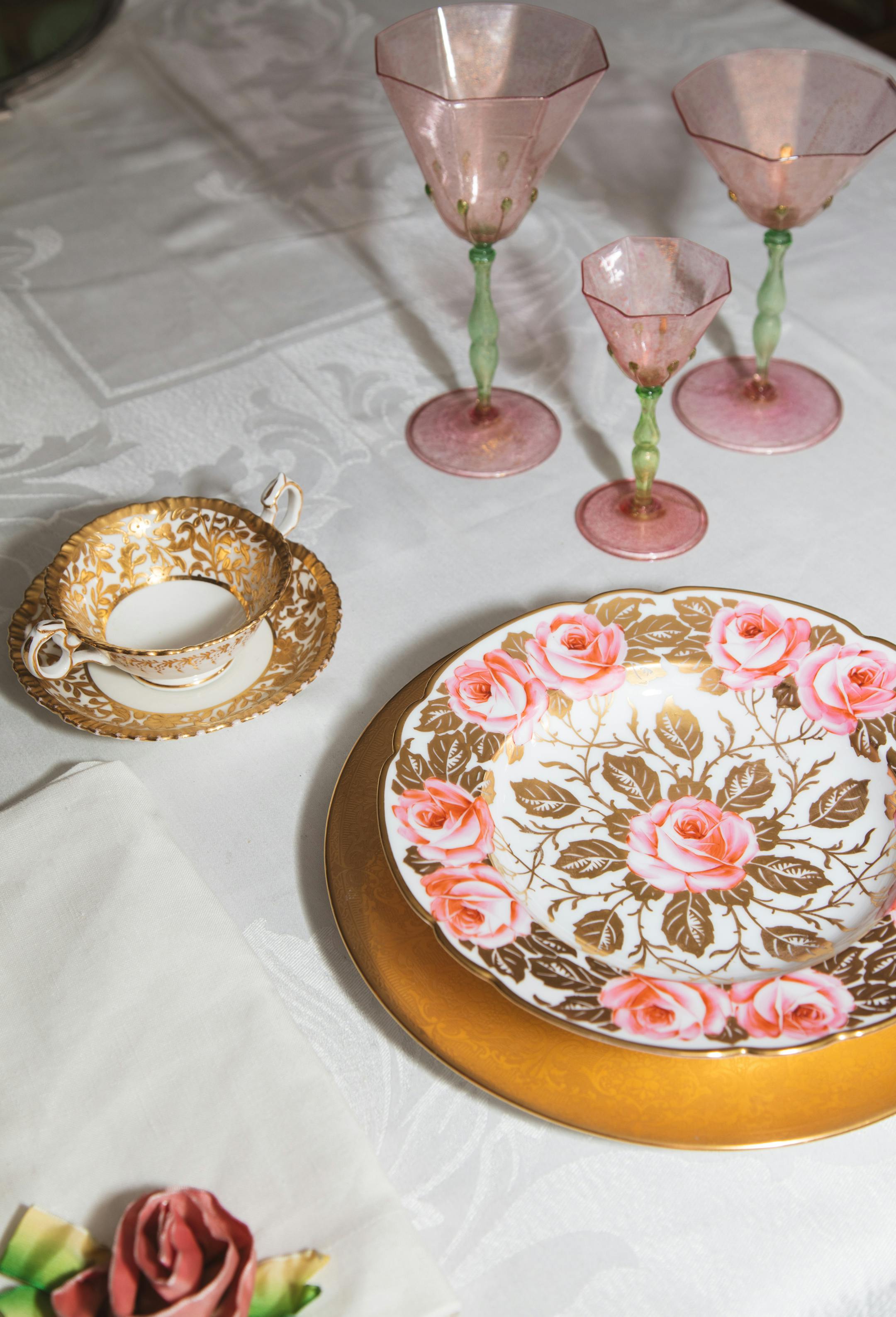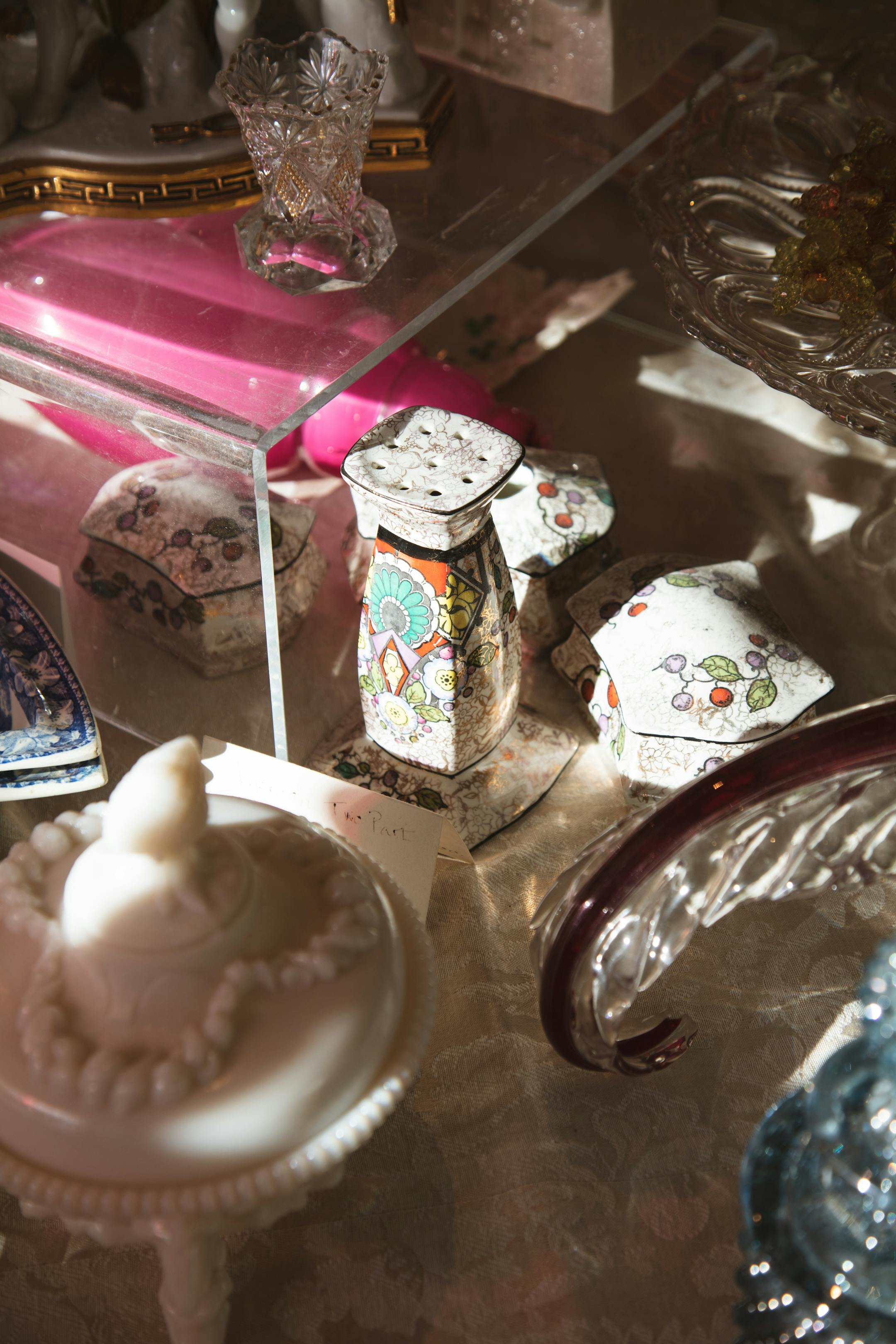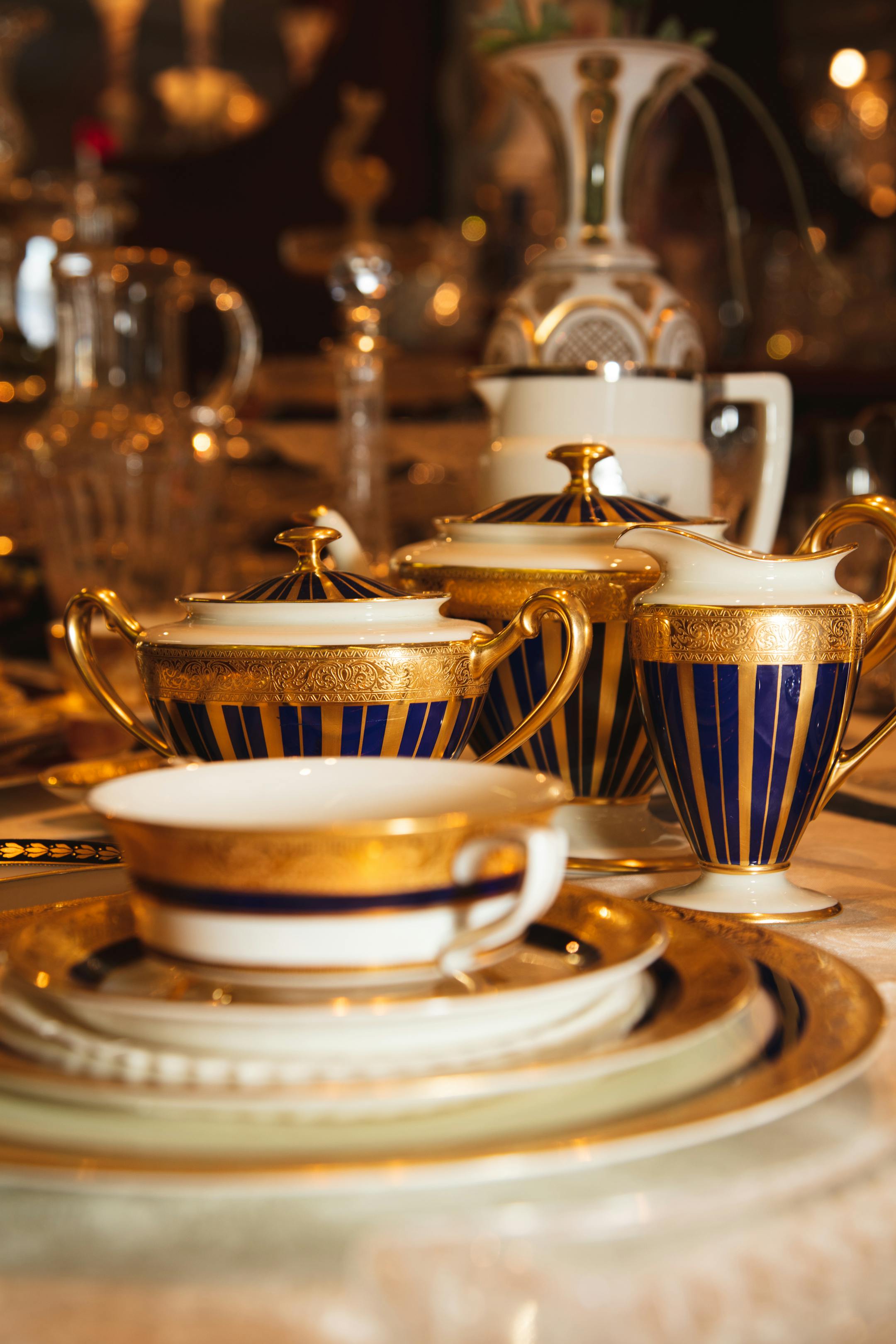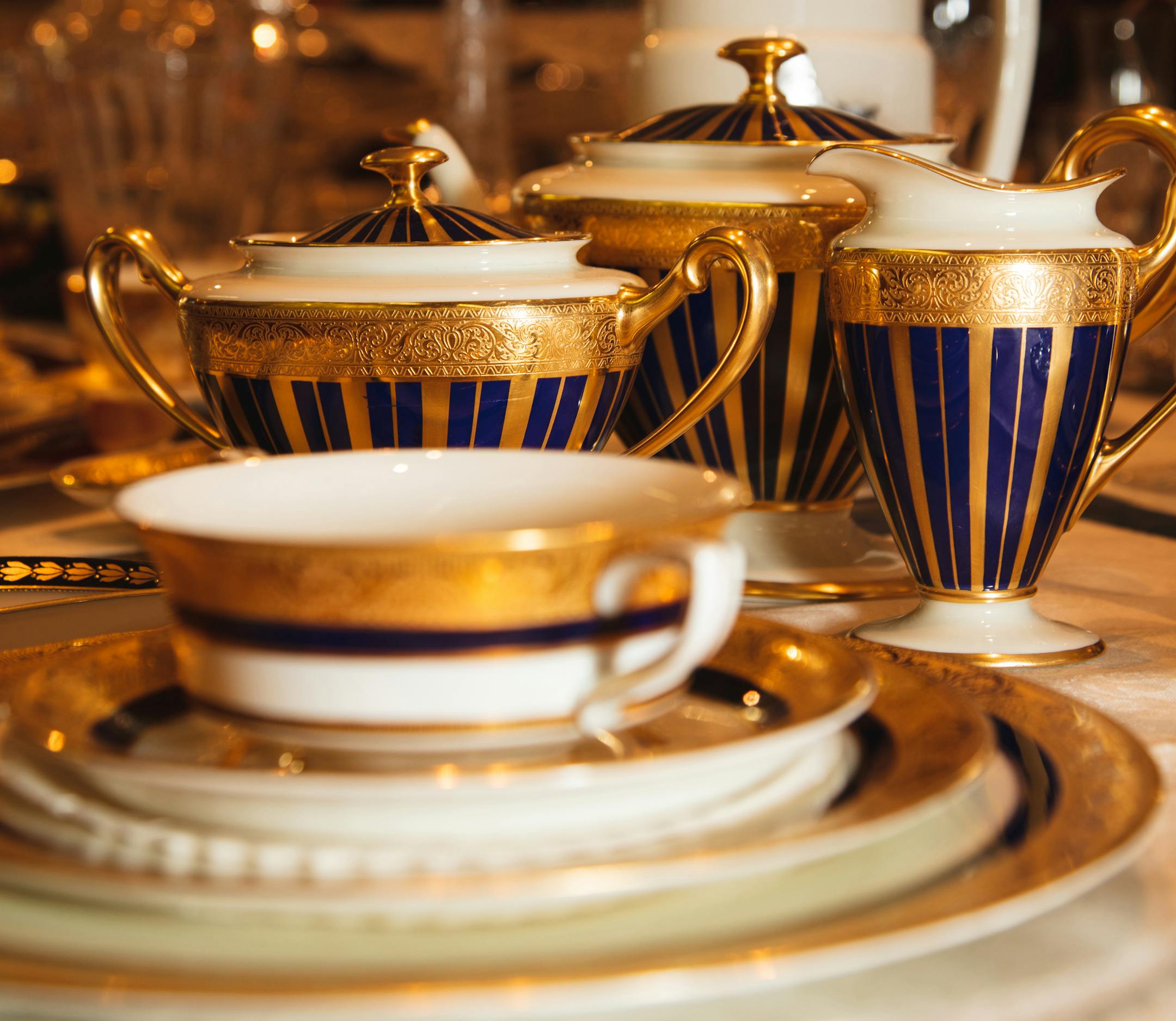
Fine china — the delicate, sometimes fussy tableware long associated with wedding registries and your grandmother's cabinet — has found a new, more relaxed place at the table.
Whether a Herend soup dish adorned with a wild boar or a gilded Lenox dessert plate rimmed with a Greek key pattern, fans of using fine china, which is usually made with porcelain, say it makes everyday meals far more celebratory than the minimalist earthenware popular in the past few years ever could.
Laura Chautin, 29, an artist in Manhattan, said that spending time at home led her to use her "good plates" more.
"Plates that I had been saving, I now use them every day," said Chautin, who has also made a collection of porcelain tableware featuring delicate floral patterns. "It just feels special — why not use things that make you happy on a day-to-day basis?"
First made in China, porcelain's earliest form dates back to the Tang dynasty. Hard-paste porcelain, the kind used to this day, appeared there later, in the 13th century. Revered for its translucent quality, hard-paste porcelain was originally made from a mixture of kaolin, a soft white clay, and feldspathic rock fired at a temperature around 2,650 degrees Fahrenheit — a recipe that, starting in the 16th century, European potters obsessively tried and failed to master.
By the 18th century, German alchemist Johann Friedrich Böttger discovered the formula, and hard-paste porcelain began being manufactured in Europe as well as in Asia. The material's history has inspired current makers like Marc Armitano Domingo, 26, who lives in Manhattan and started his company Armitano Domingo Ceramics, which was formerly known as Botticelli Ceramics, in 2016.
"As soon as I found out how crazy and convoluted and interesting porcelain history was, I was just fully hooked," said Domingo, who makes plates, trays and cups that often incorporate botanical motifs. Last July, he completed his first commission for a full dinner service, including plates for 20 table settings.
It has also inspired china collectors, including Rachel Tashjian, 32, a writer and fashion critic in Brooklyn, who began amassing porcelain pieces after receiving a set of Haviland china from her grandmother when Tashjian was in her 20s. "There's a sense that this is something you can learn about, and there's a scholarship to it," she said.