New Year's Eve Snow Reports & Crashes
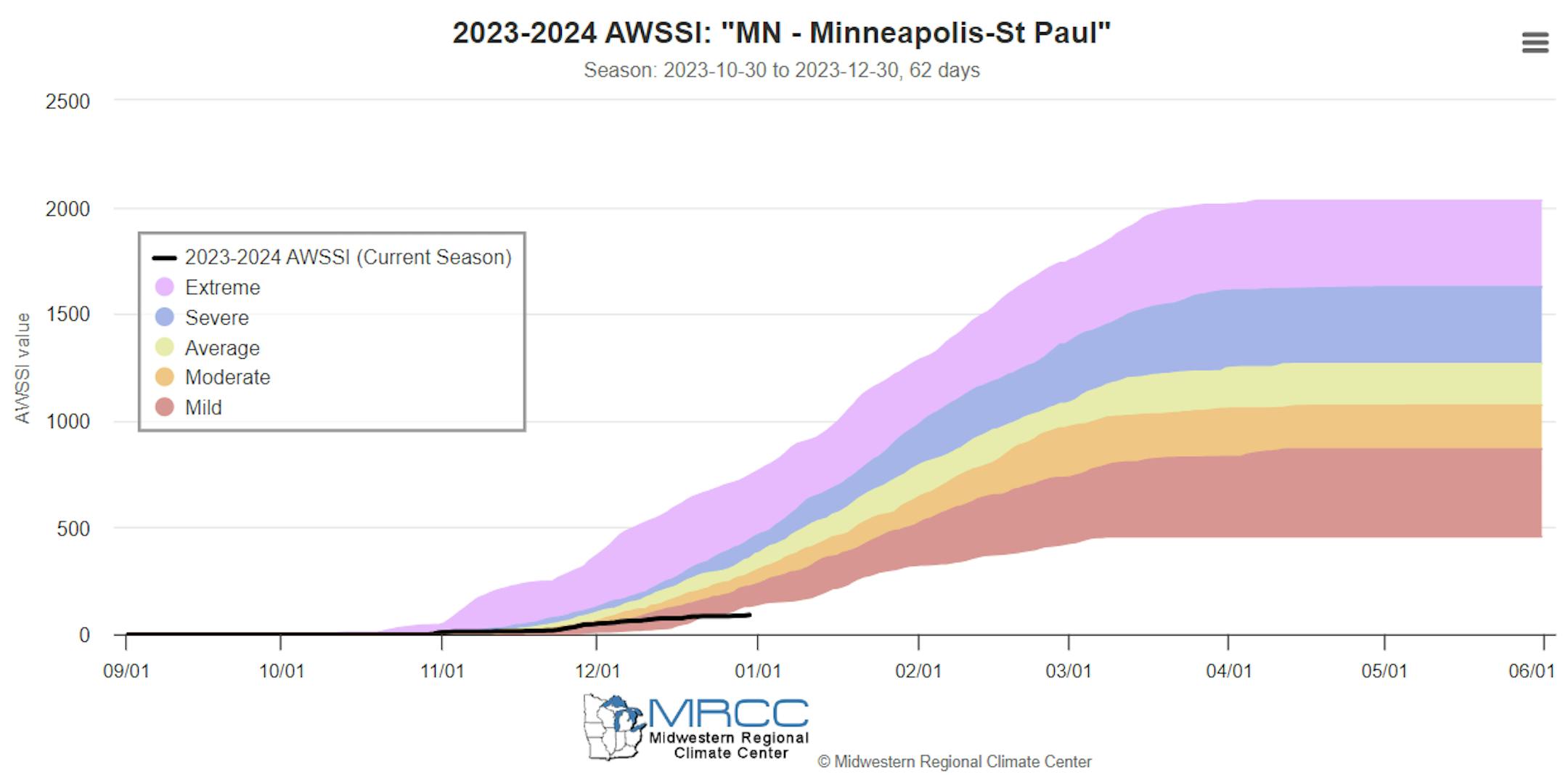
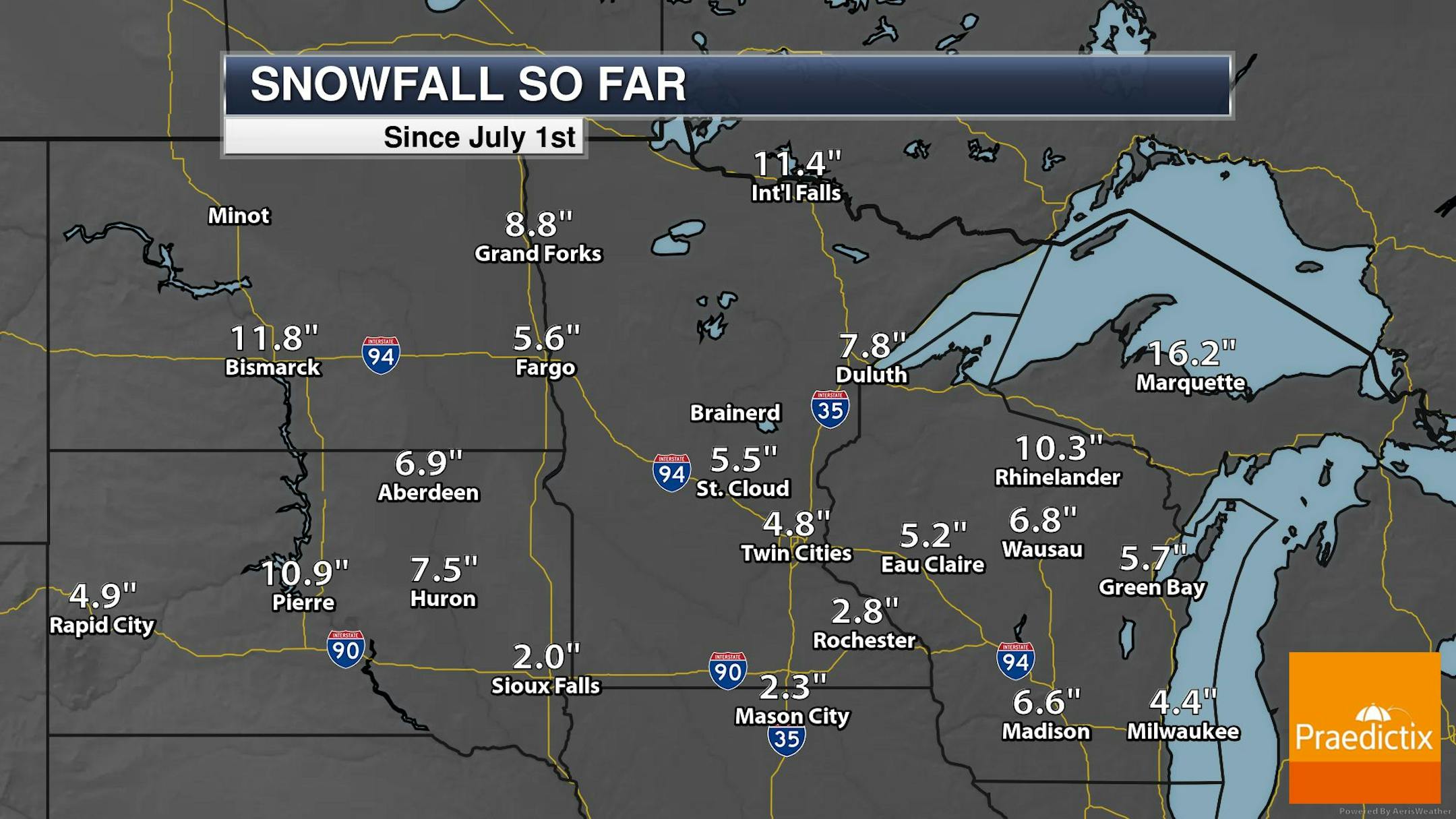
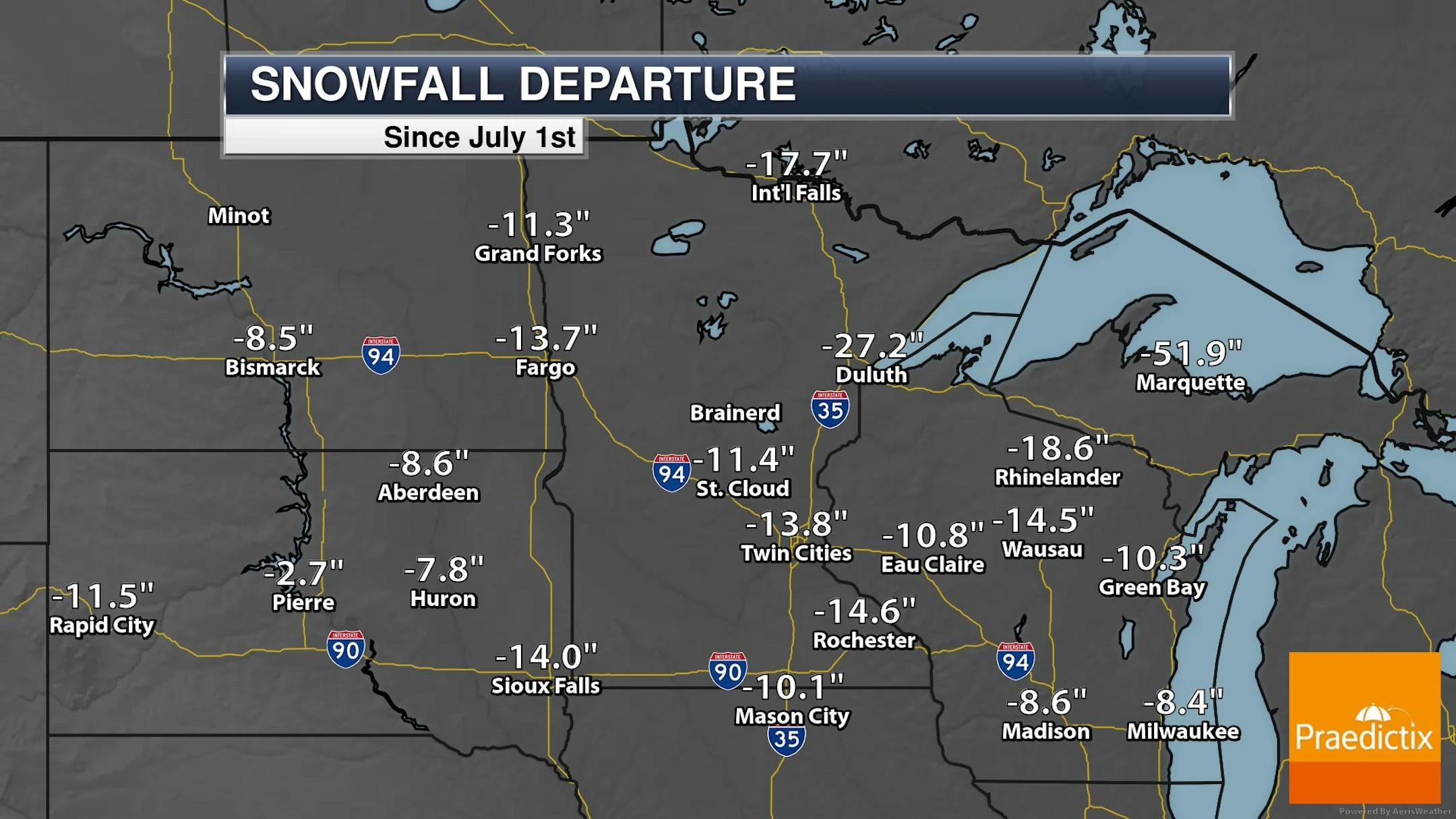
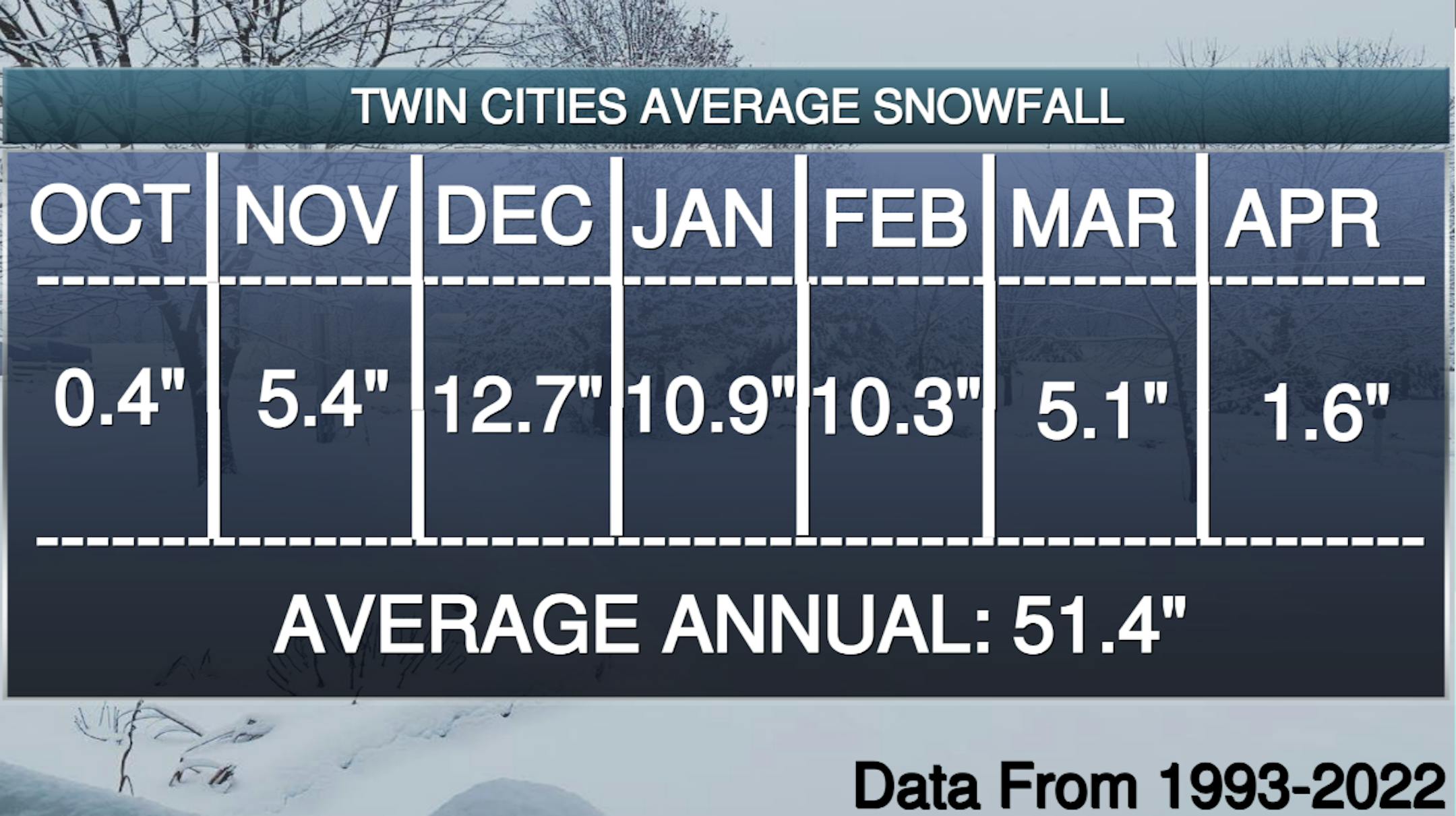
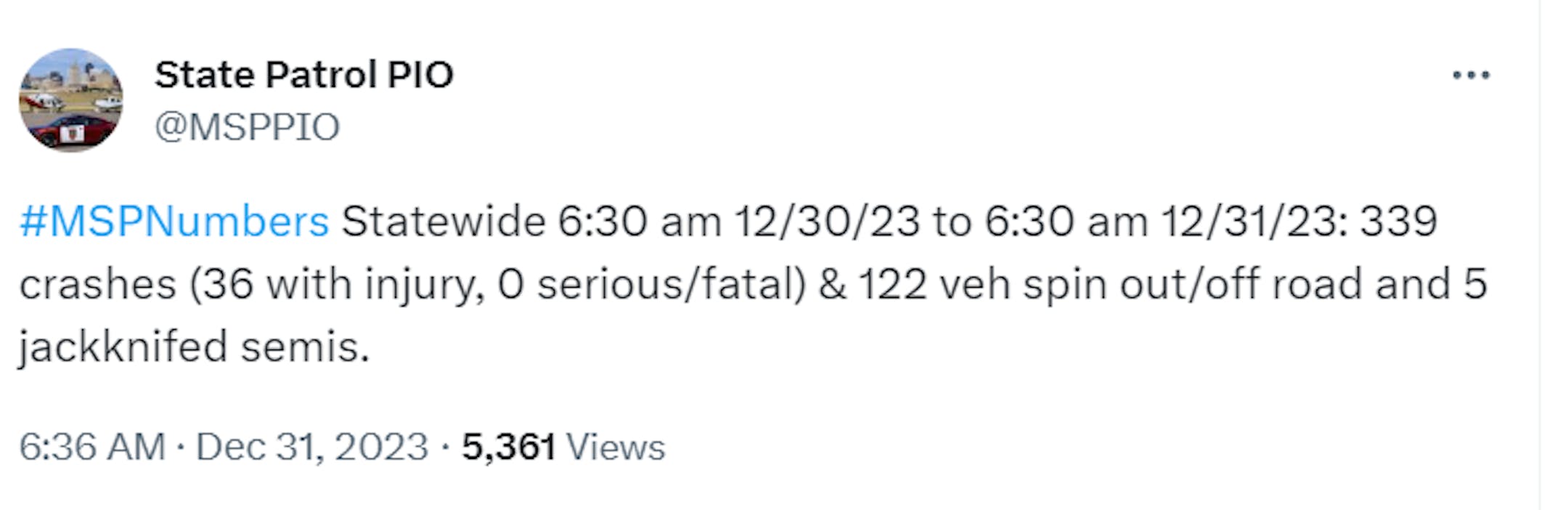
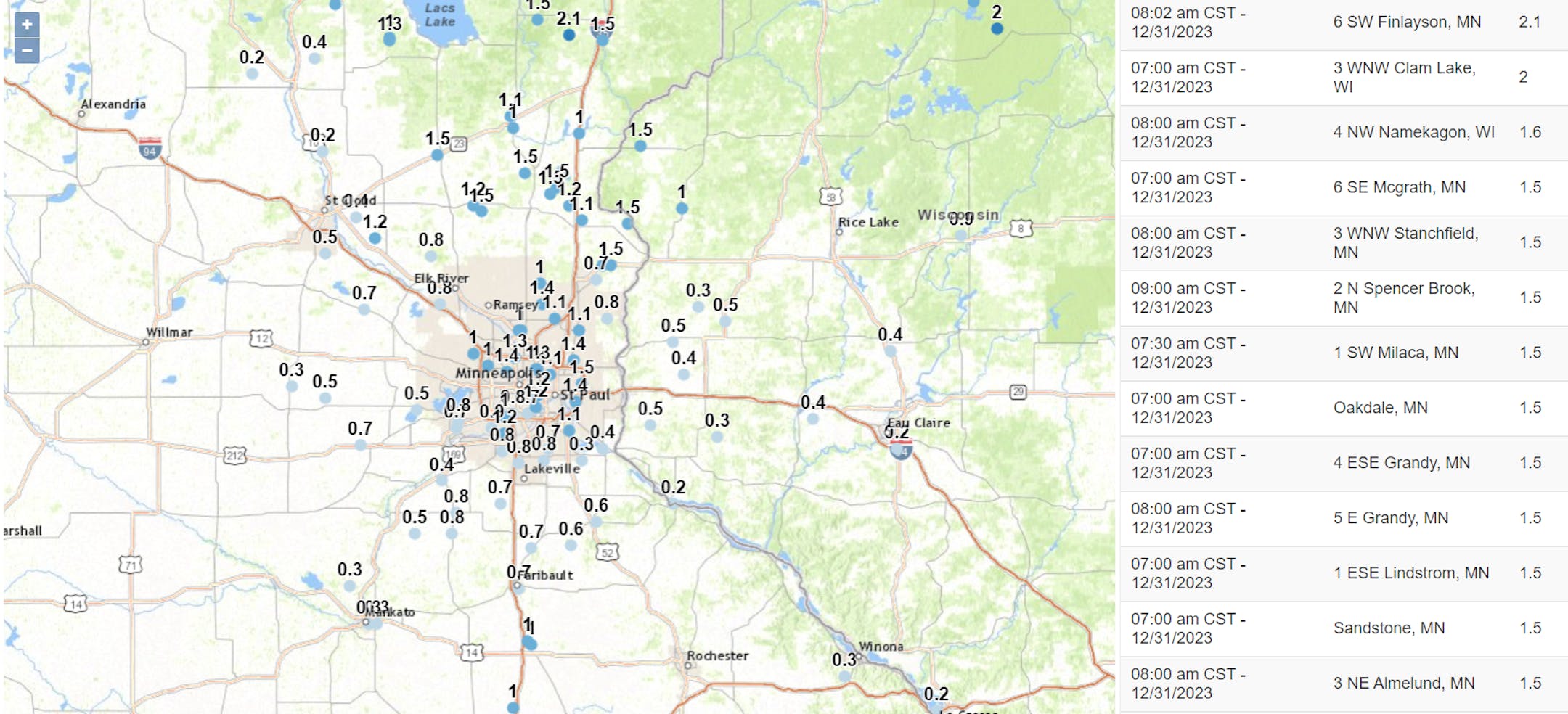
There was a little snow and ice across the region late Saturday night into AM Sunday that prompted a Winter Weather Advisory for some locations. Snowfall reports weren't all that impressive, but it was just enough to cause some issues on area roadways. According to the MN State Patrol, there were 339 crashes across the statewide through 6:30AM Sunday, 36 of which caused injuries. There were also 122 vehicle spinouts and 5 jackknifed semis. The MSP Airport only picked up 0.8" of snow, which adds to the seasonal total, but we're still quite a bit below average for the season.
"Top Five Weather Events for 2023 in Minnesota"
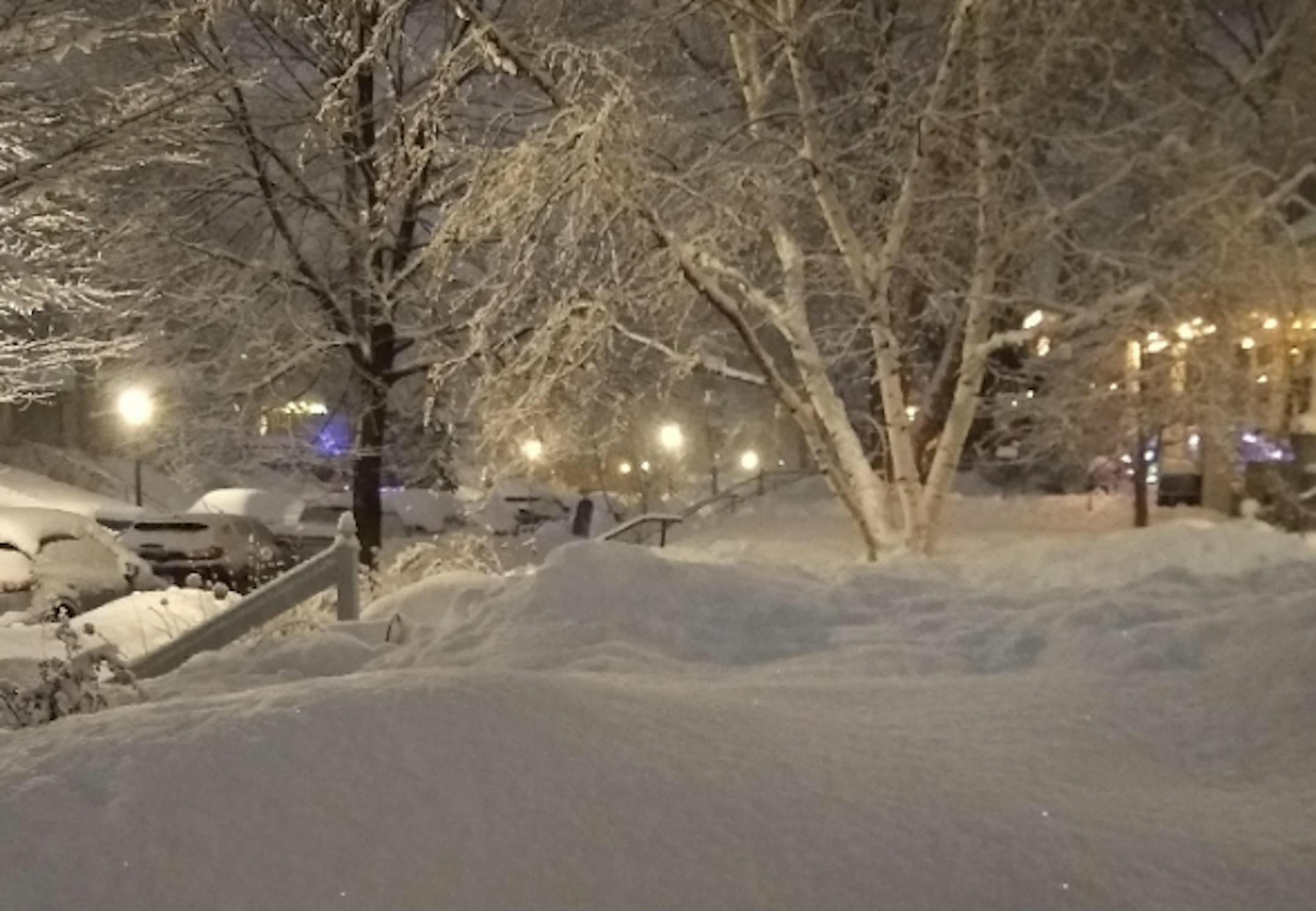
"Here are the results of voting for the top five weather events of 2023 from the Minnesota State Climatology Office. Votes were cast from various weather enthusiasts including the National Weather Service, the University of Minnesota, State agencies and Facebook followers. #5 "Big Mess" Snowstorm Clobbers Minnesota: January 2-5, 2023 The New Year greeted Minnesota with a large, messy winter storm, as a concoction of heavy snow, freezing rain, sleet, rain, and thunderstorms pounded parts of the state. The storm produced widespread accumulations of over one foot, with 15.1 inches for a storm total in the Twin Cities, making this the 14th-largest snowstorm on record since 1884."
A Historically Warm, Wet, and Snowless December in Minnesota
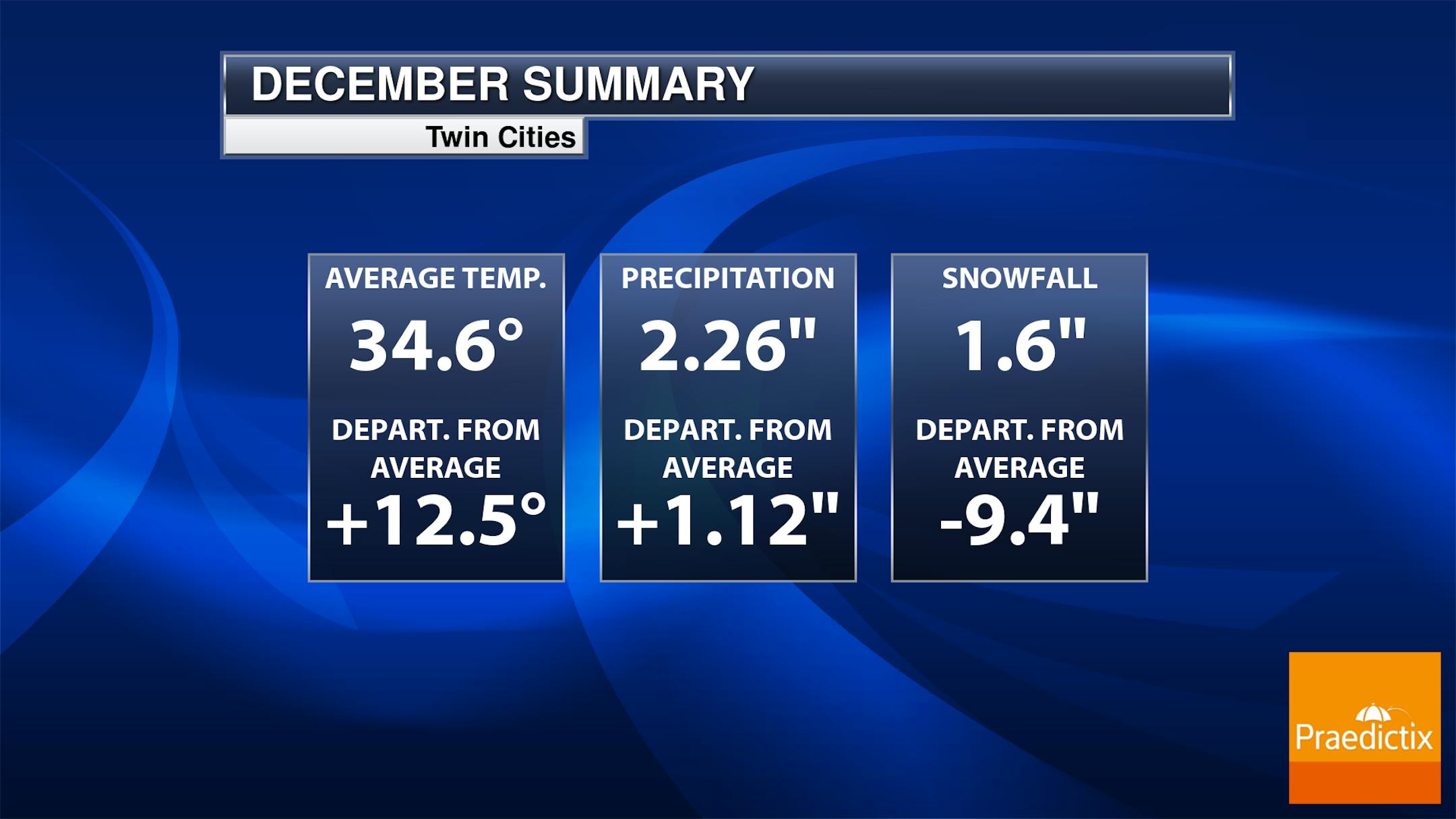
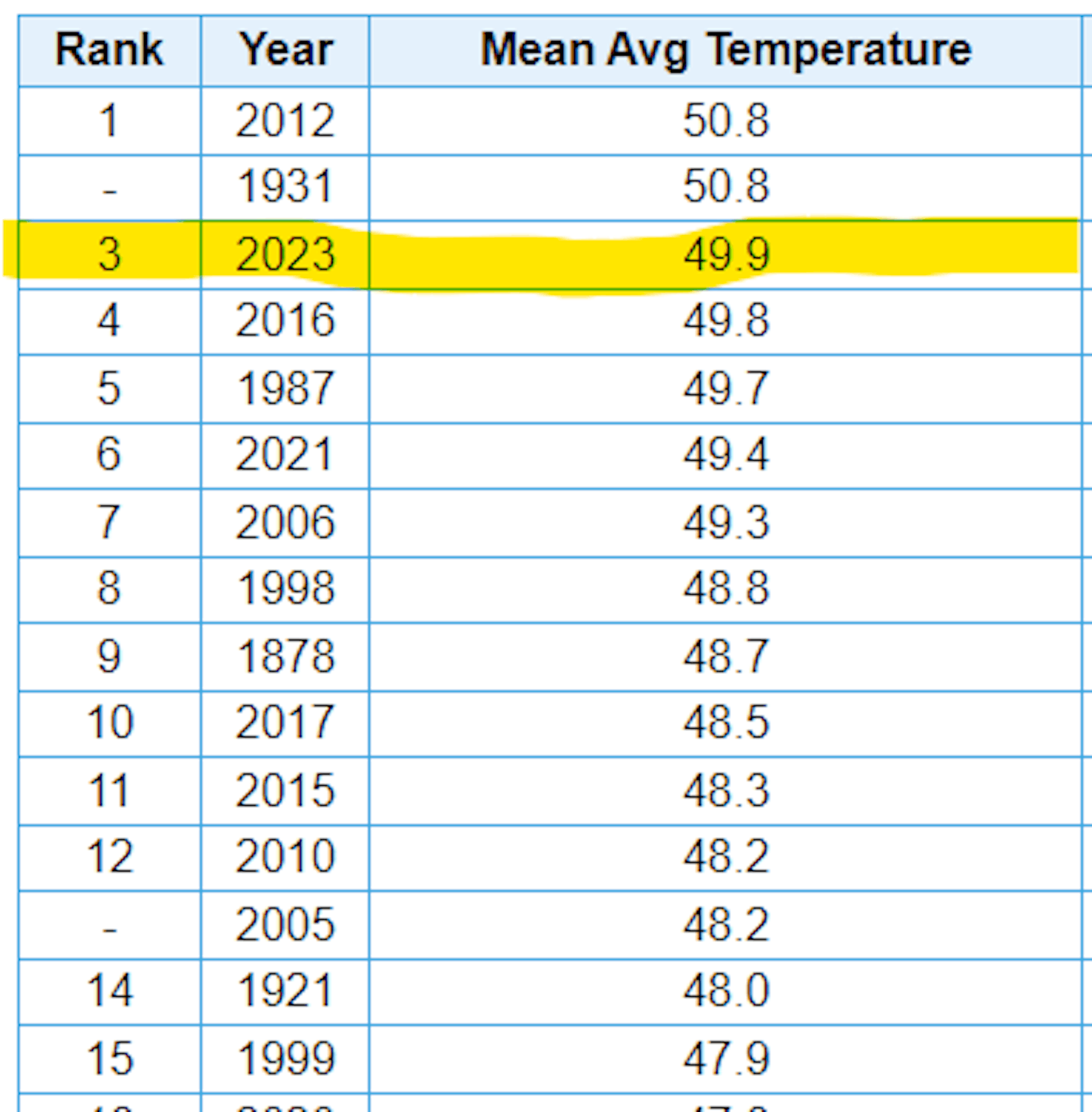
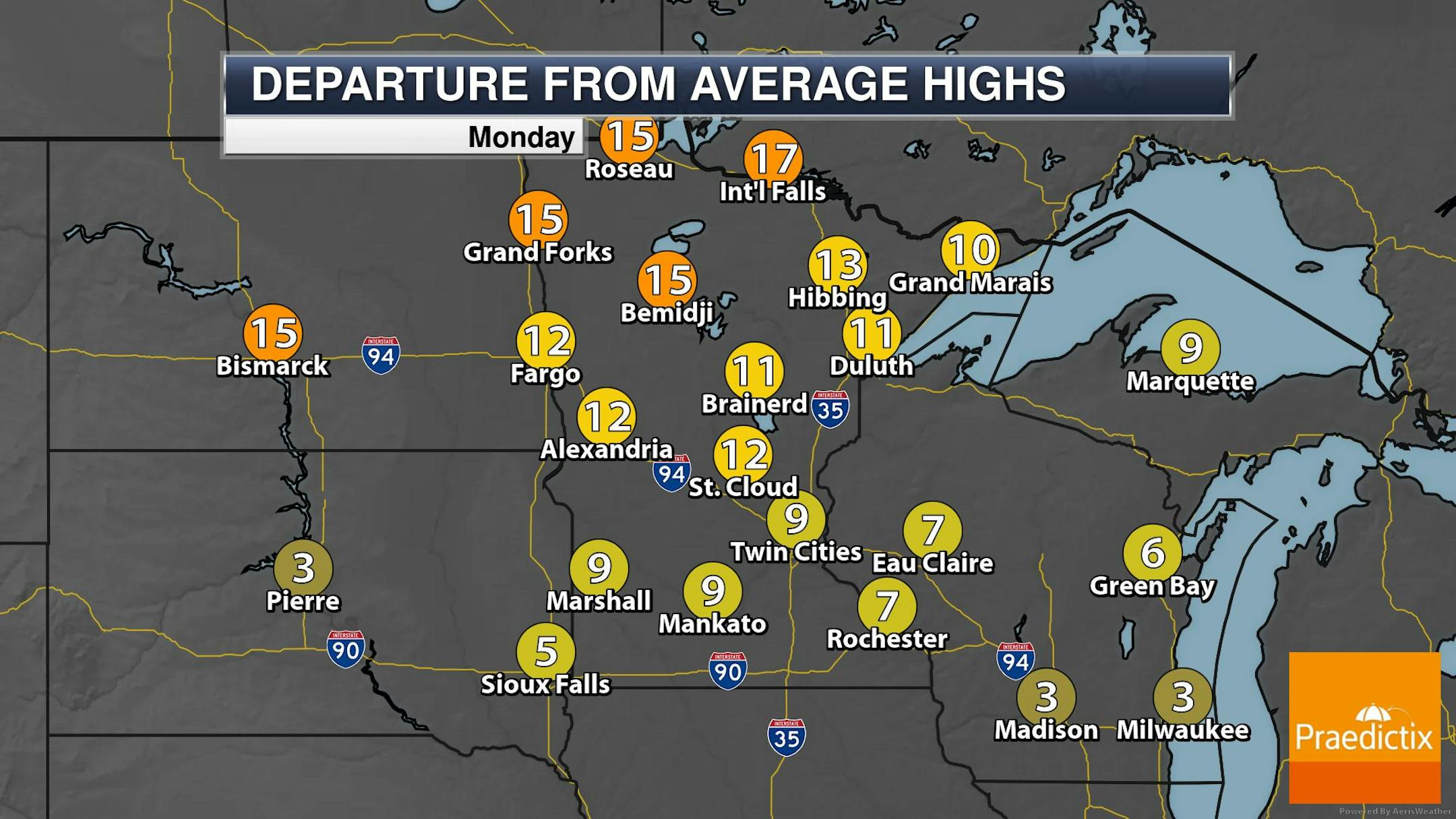
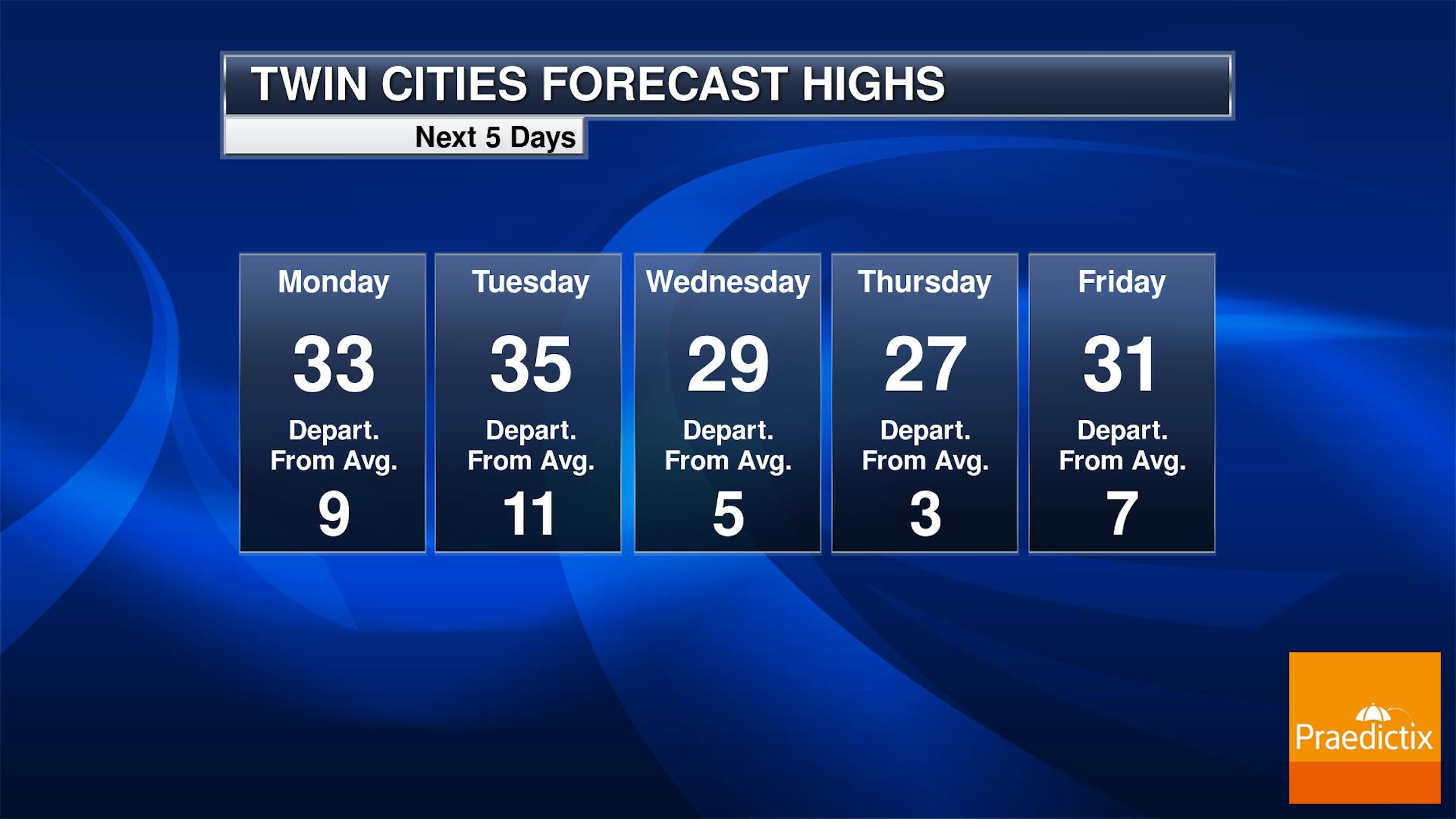
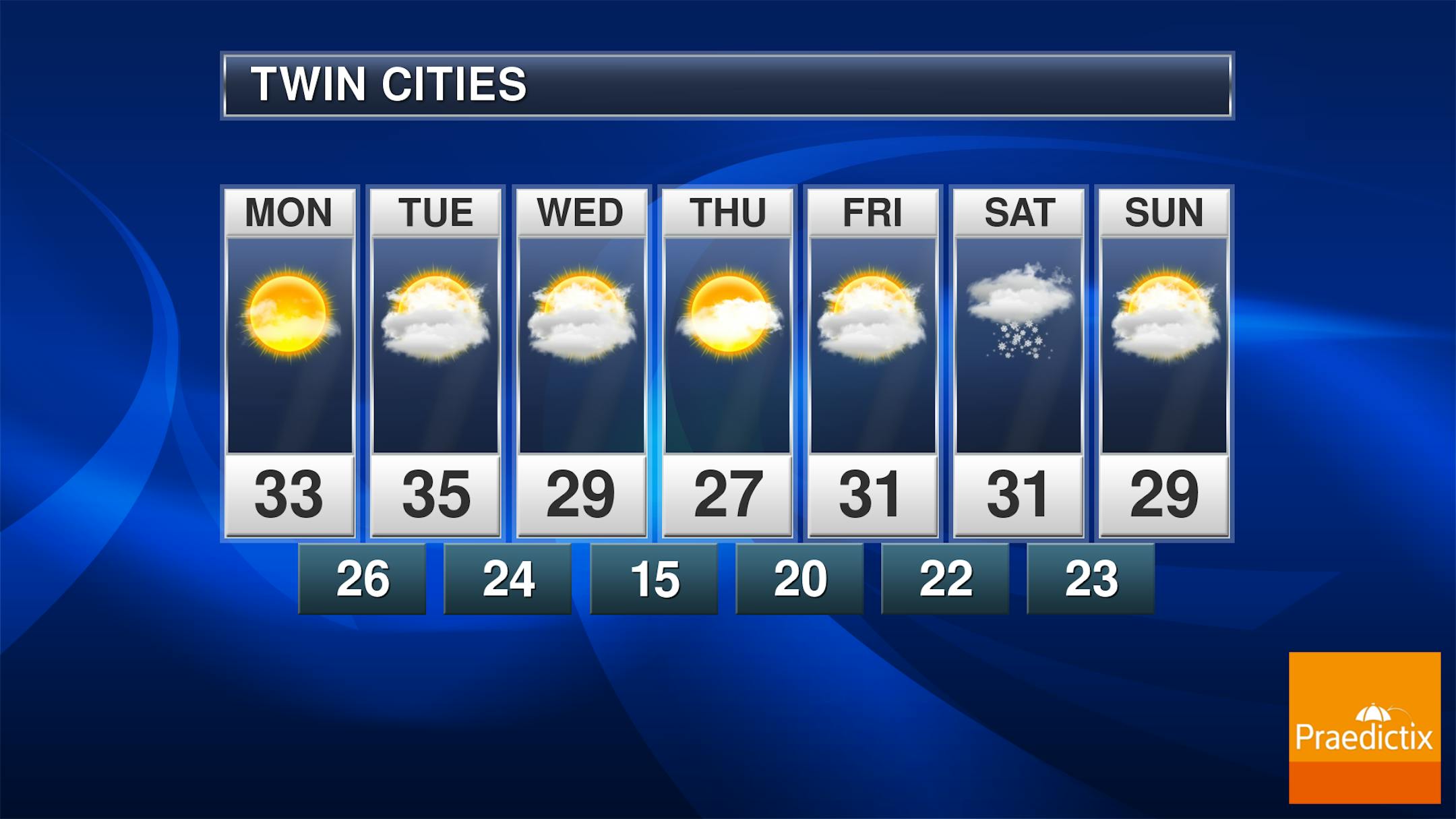
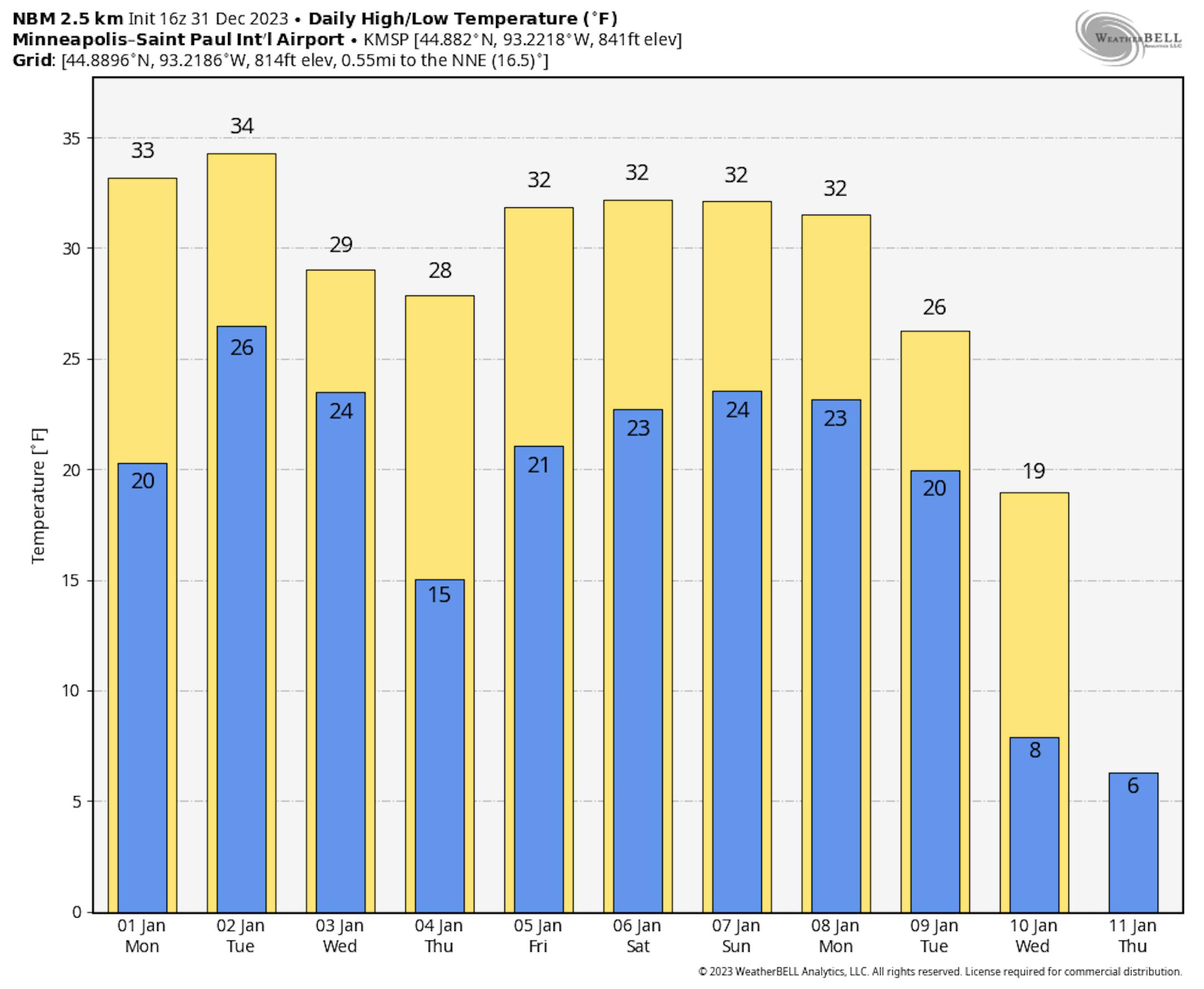
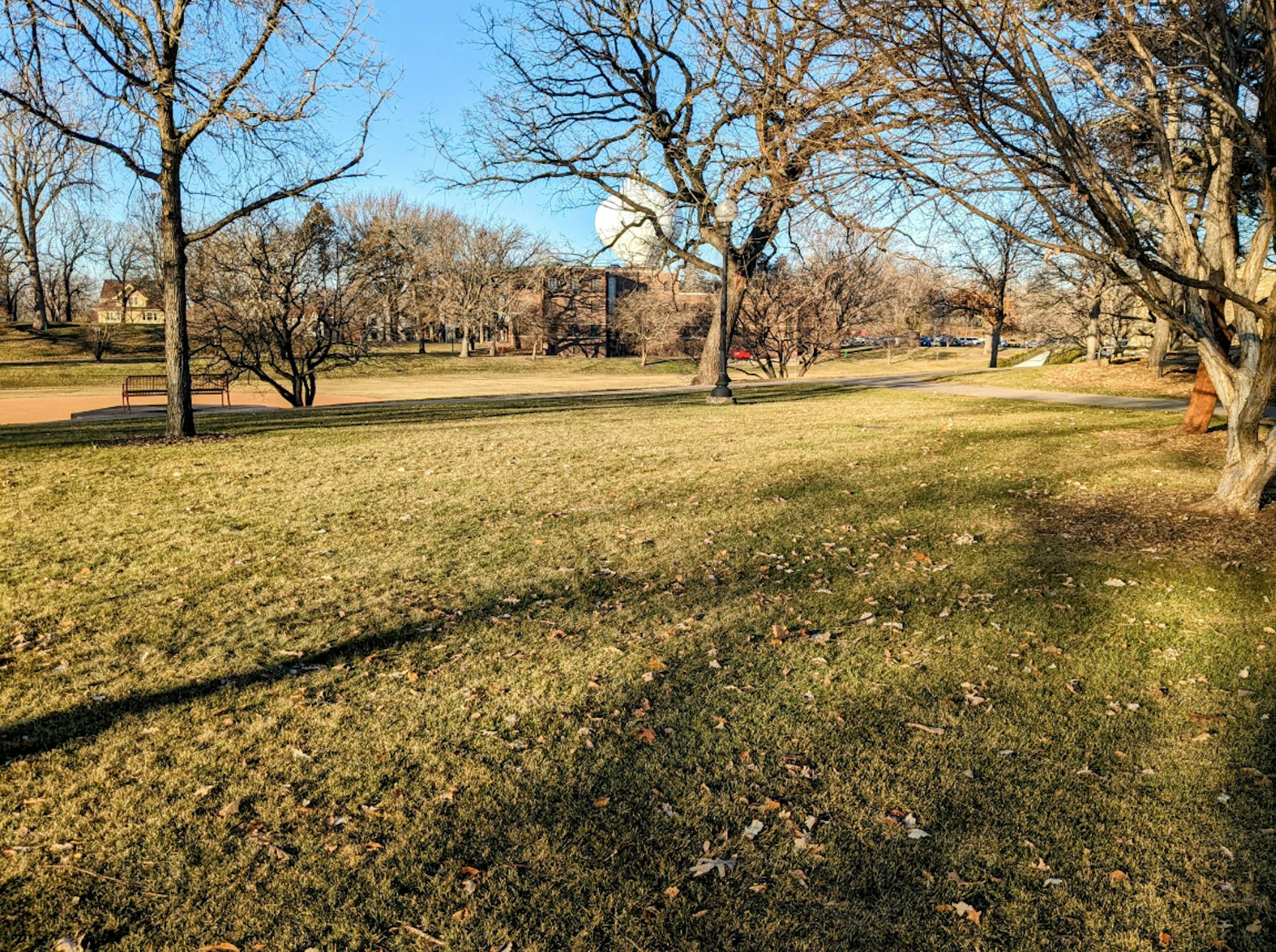
"No below-normal temperatures all month in St. Cloud and the Twin Cities December 2023 featured an extraordinary combination of warmth, wetness, and snowlessness, breaking or challenging records in all three categories. In many regards, December was more like November in Minnesota, with bare ground dominating the landscape across the state for much or all of the month, and temperatures remaining mild virtually every day, with a few bouts of very to extremely warm weather. A rare holiday heat wave arrived with precipitation event that produced rain almost exclusively, and propelled the month to the top of the precipitation charts as well. Strong El Niño conditions in the Pacific Ocean have kept frigid winter air masses locked up in central and northern Canada, 1,000 to 2,000 miles to our north. Most days have been much warmer than average, and passing cold fronts have struggled to bring in anything other than seasonally-normal air."
Accumulated Winter Season Severity Index (AWSSI)
"Winter seasons have significant societal impacts across all sectors ranging from direct human health and mortality to commerce, transportation, and education. The question "How severe was this winter?" does not have a simple answer. At the very least, the severity of a winter is related to the intensity and persistence of cold weather, the amount of snow, and the amount and persistence of snow on the ground. The Accumulated Winter Season Severity Index (AWSSI) was developed to objectively quantify and describe the relative severity of the winter season."
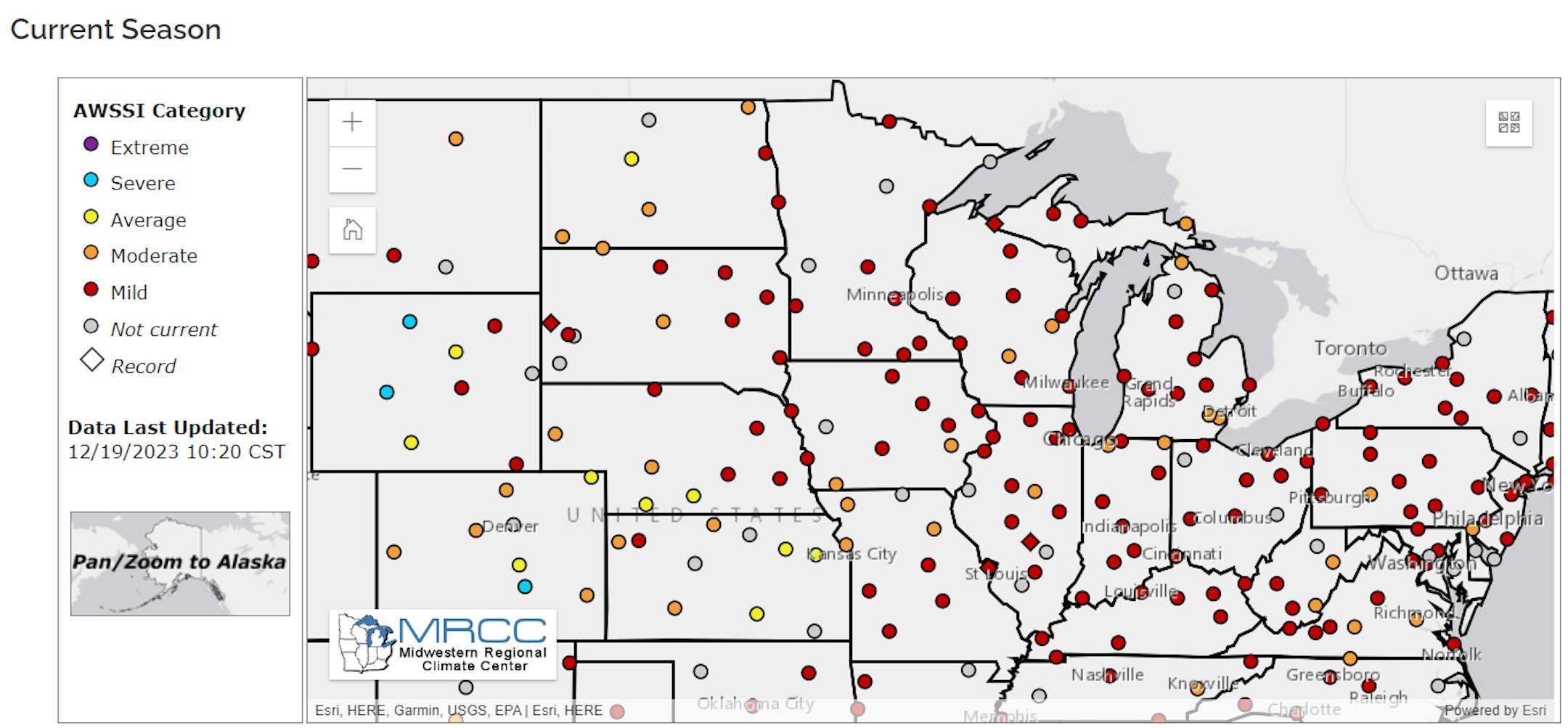
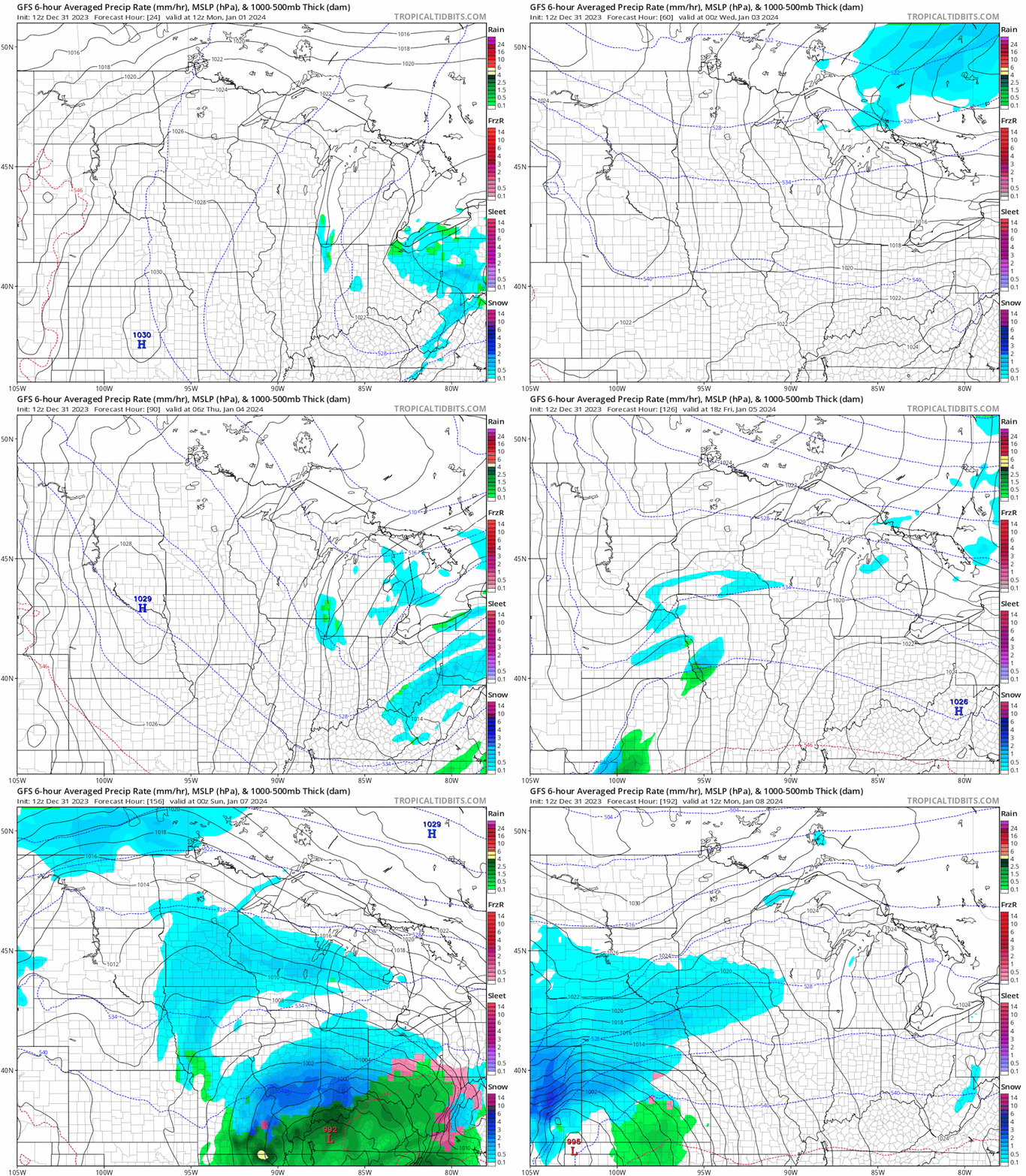
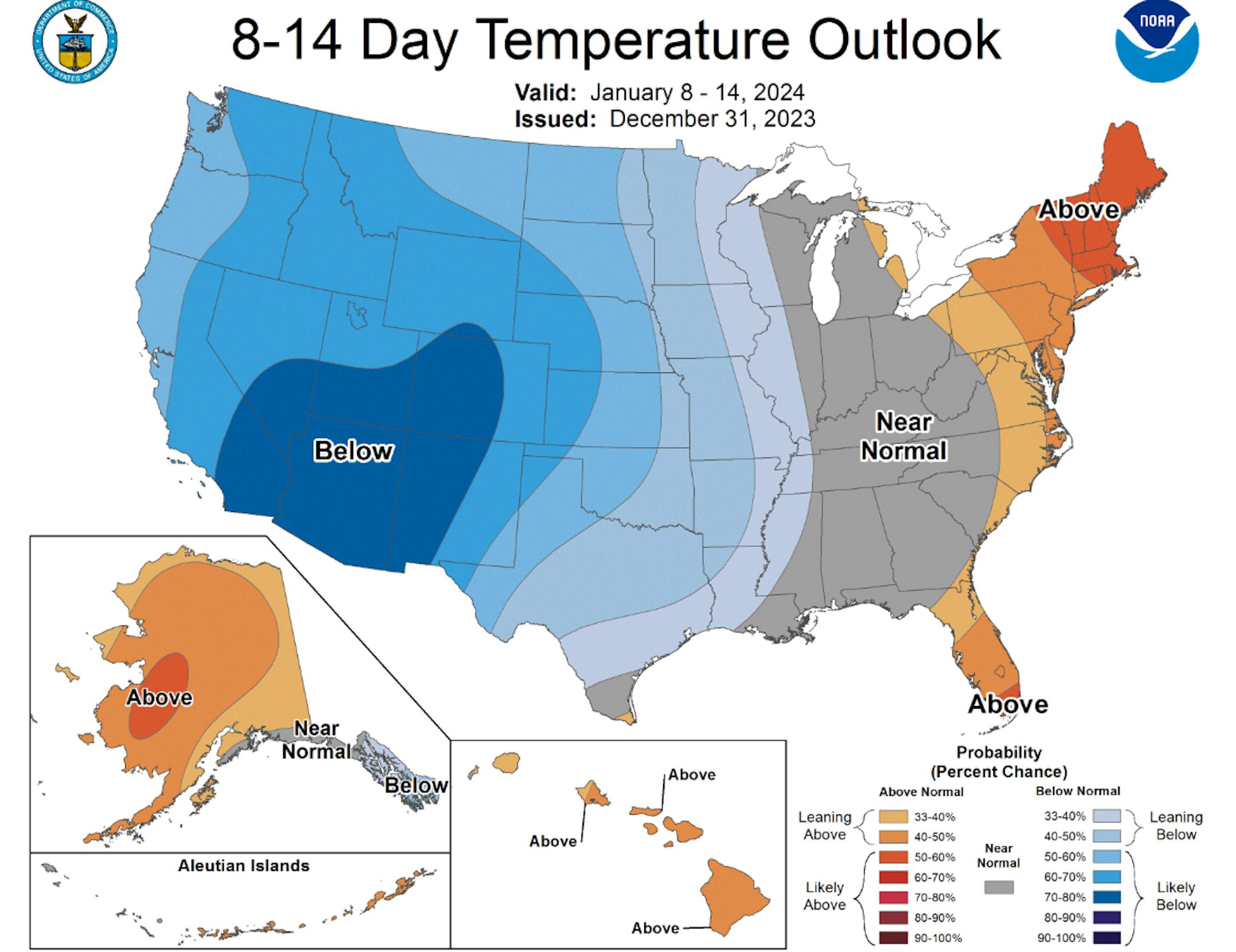
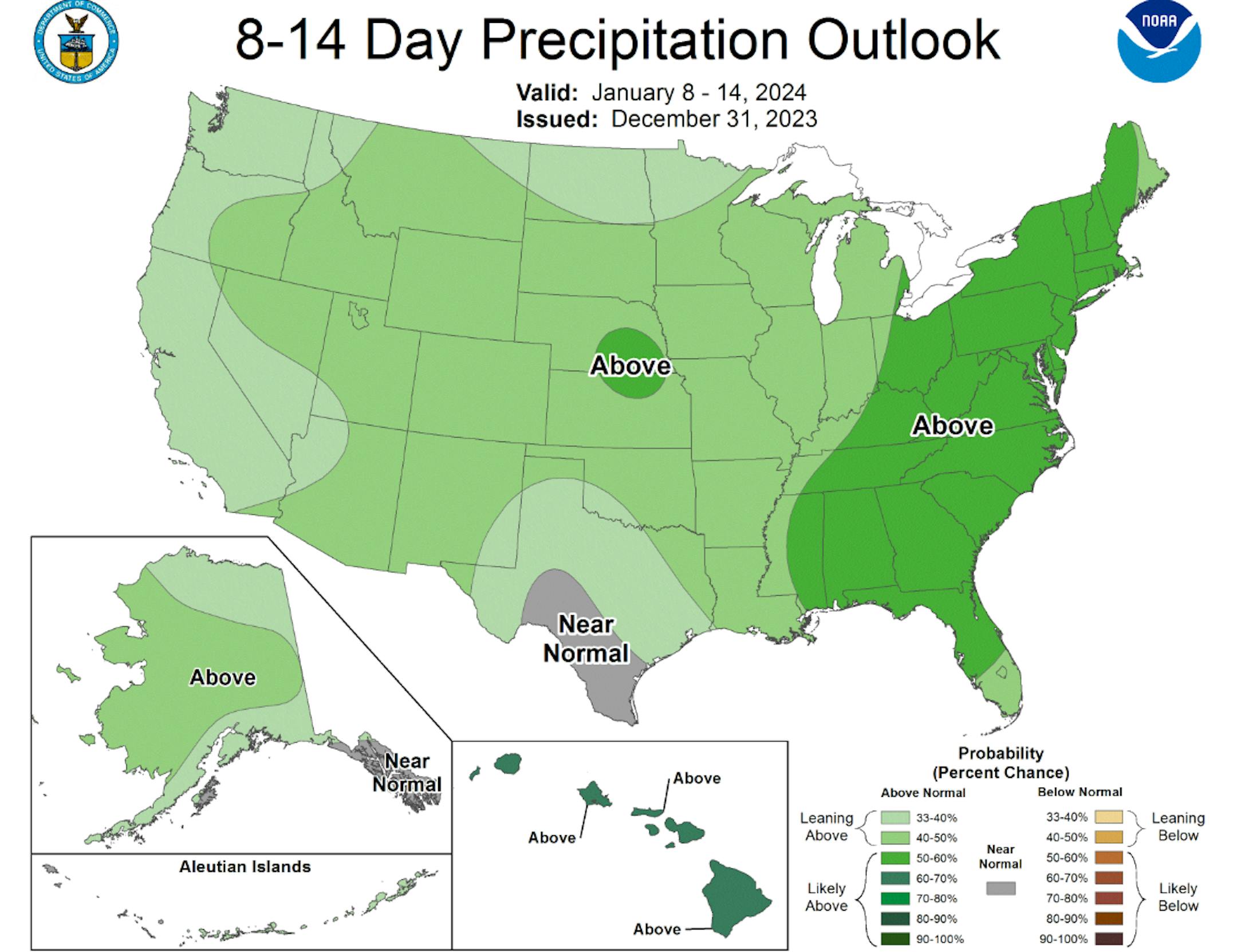
It's probably no surprise, but most locations around the Midwest and Great Lakes have had a "Mild" winter so far. Again, we're still waiting for the other boot to drop, but being in an El Nino setup, a winter like last year is not really in the cards. The Midwest will likely see an overall warmer and less snowy winter.