

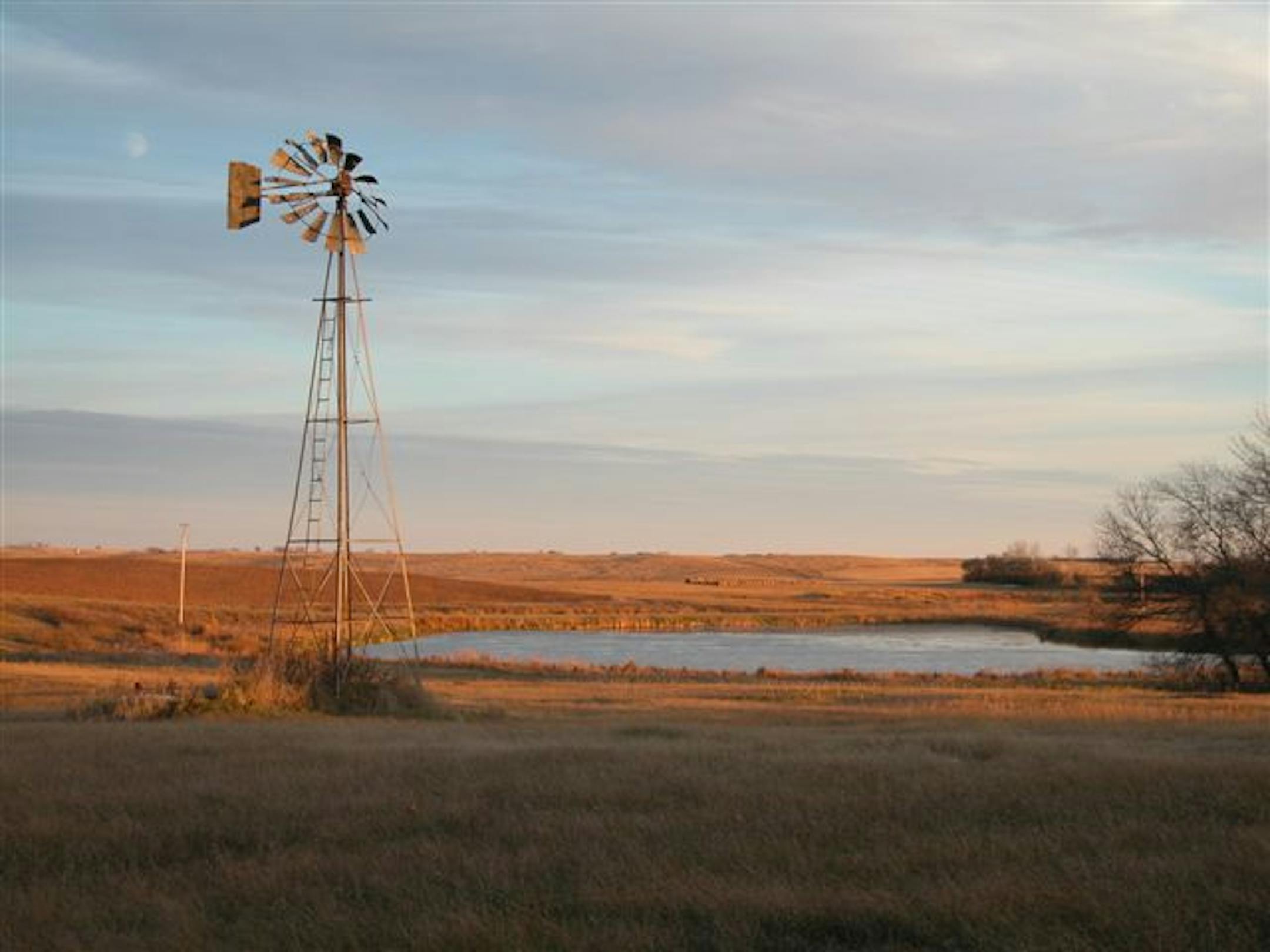
If you closed your eyes and slid your fingers across a 3-D map of North Dakota, you might be surprised to feel a big bump as your hand reached the central part of the state. It's imperceptible as you drive the interstate, but when you reach Bismarck you are 800 feet higher than when you left Fargo. This ridge, which runs the length of the state, north to south, is known as the Coteau Des Prairies, French for "hill of the prairie." All this would be of little significance to you unless you are a duck hunter.
This Coteau country is where most of the ducks in North America are hatched. In fact, the biologists at Delta Waterfowl in Bismarck say this area now outranks the southern plains of Canada, gripped in a multiyear drought, as the top duck-producing area on the continent.
Walk around a typical square mile on the Coteau and you will find yourself detouring around 42 small wetlands. The 18 counties that make up the Coteau contain over 1 million temporary, seasonal and semi-permanent wetlands that cover over 1.3 million acres. These numerous wetlands and the promise of an early fall buffet of waste barley, wheat and soybeans attract millions of nesting waterfowl each year.
Not surprisingly then, North Dakota is a top destination for hunters. As the number of ducks dwindles in Minnesota and many other states, duck hunters dwindle, too. But hardcore hunters, 30,000 nonresidents of North Dakota in a typical year, are willing to do whatever it takes to find ducks, even if the price is going up. And it is. More travel time, more $3-a-gallon gas, and maybe even a charge for the privilege of hunting that certain wetland. I just returned from a hunting trip to the Coteau and this is what I saw:
More hunters, fewer ducks
Drive by the motels in Harvey and McClusky after dark and you will find them full. Trucks parked outside sport a colorful array of license plates: Texas, West Virginia, Illinois, Wisconsin and Iowa among them. In addition, many small houses in these towns are available for rent by day or by week.
The cafe in McClusky keeps the kitchen open until 9 p.m. to accommodate hunters who have stayed out until sunset. I counted 40 waterfowlers one evening, all wearing brand-new attire from Cabela's or Gander Mountain. Oddly, the average age was over 60. They were not jubilant about their success. But where were the young hunters with their rolled-down hip waders, faded hand-me-down camo jackets and "Quack Addict" stickers in the windows of their trucks?
Coteau


