

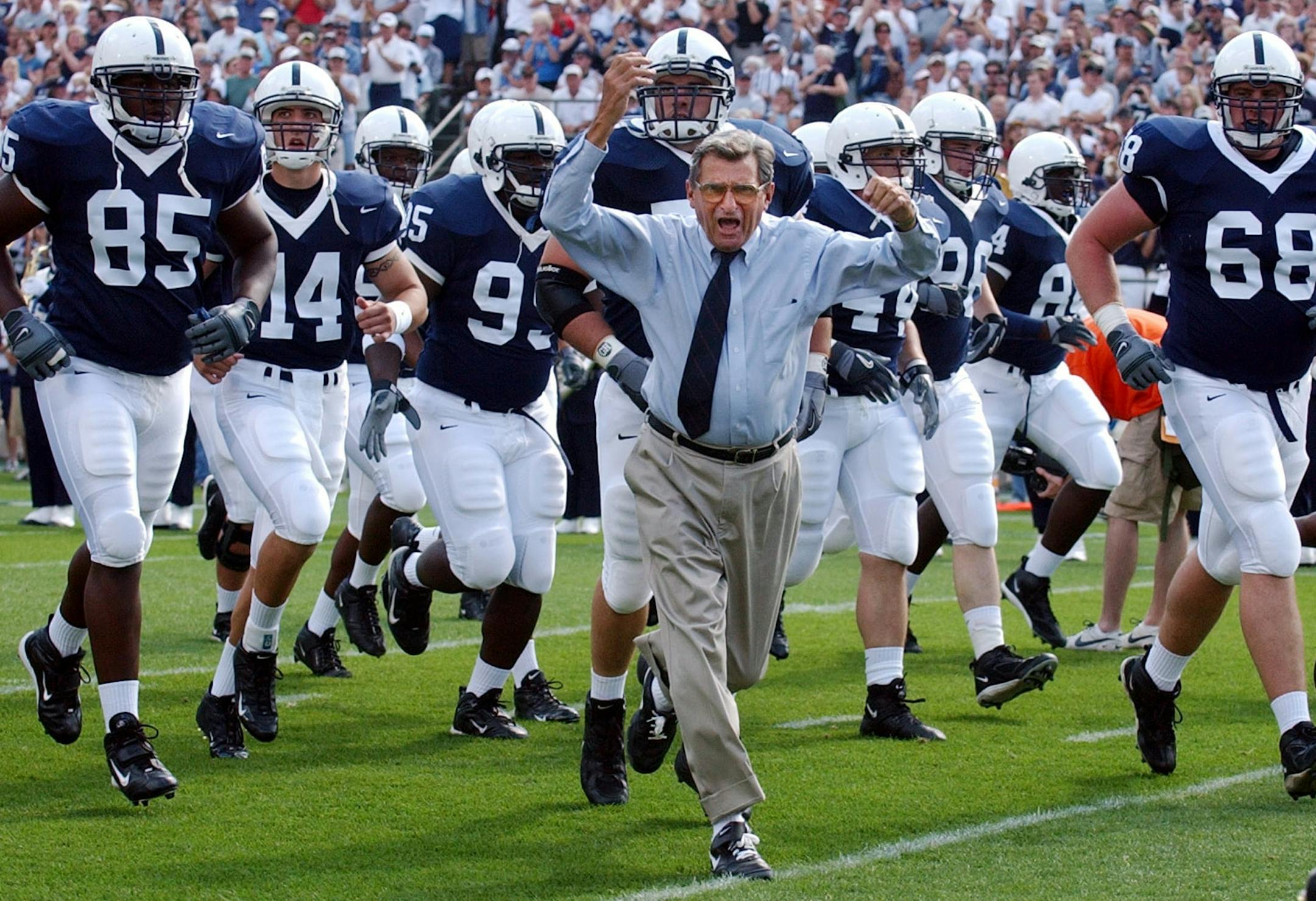
In his report last week on the wretched episode at Penn State University, former FBI Director Louis Freeh says, "One of the most challenging of the tasks confronting the Penn State community is transforming the culture that permitted [Jerry] Sandusky's behavior. ..."
Of course, the culture at Penn State didn't provoke the former assistant coach to prey on his victims; his behavior had its roots in his own innate perversions. But the culture, including the university's president, athletic director and, most important, head football coach Joe Paterno, tolerated Sandusky's behavior, permitting, and even encouraging, him to accumulate victims long after he should have been stopped.
Why? No doubt, "looking the other way" involved a desire to protect the institution from public humiliation, even at the expense of young boys; in this way, the cover-up at Penn State recalls the reluctance of officials in the Catholic Church to acknowledge their own pedophilia scandal and to punish perpetrators.
But it takes more than fear of humiliation to get to this sorry pass. Institutions have to go beyond the critical point at which their officials begin to see them as more important than their adherents -- or their victims. And the institution of football at Penn State was well beyond that point.
Throw in the fear of lost revenue that a scandal like this one would have meant, and those boys never stood a chance.
Freeh was talking about Penn State, but the culture that needs to change extends far beyond Happy Valley. The dreadful open secret is that big-time college football has reached a level of importance, power and influence beyond all rationality. The source of its prominence resides in two elements: our extreme obsession with which team can more successfully move a ball from one end of a field to another, and our willingness to look the other way while an industry that depends on the exploitation of boys continues to prosper.
Is "exploitation" too strong a word? And is suggesting a parallel between Sandusky's victims and the young boys who strap on their helmets for the first time every fall a bit of a stretch? Maybe. But not by much. In some respects, these young, more-or-less willing ballplayers are victims, as well.
Our culture's ultimate masculine hero is the professional football player, and we reward him with much adulation and money. A dream resides in the hearts of millions of young players, sustained by the worship we bestow on college and high school heroes.


