

The most famous painting of the 20th century, Pablo Picasso's "Guernica," commemorates the bombing of the small Spanish town on April 26, 1937, by the German air force, in support of General Francisco Franco's fascists in the Spanish Civil War. Hard to believe, but this was history's first extensive bombing of a civilian population.
In his book "Postwar," the late historian Tony Judt pointed out that more civilians died in World War II than did soldiers. That was not true of World War I or most earlier conflicts.
Guernica was a German dress rehearsal for the London blitz, the destruction of Warsaw, and so on. Soon to come on the Allies' side were the destruction of Dresden, the firebombing of Tokyo and, of course, the nuclear attacks on Hiroshima and Nagasaki. Today, when we think of war, bombing from the sky is one of the first images that come to mind.
One consequence of this and other developments in warfare has been a blurring of the distinction between soldiers and noncombatants. Wars used to be fought on battlefields, between soldiers in uniforms lined up in rows. People famously took picnic baskets to watch the first battle of Manassas, thinking the Civil War would be like that. It wasn't.
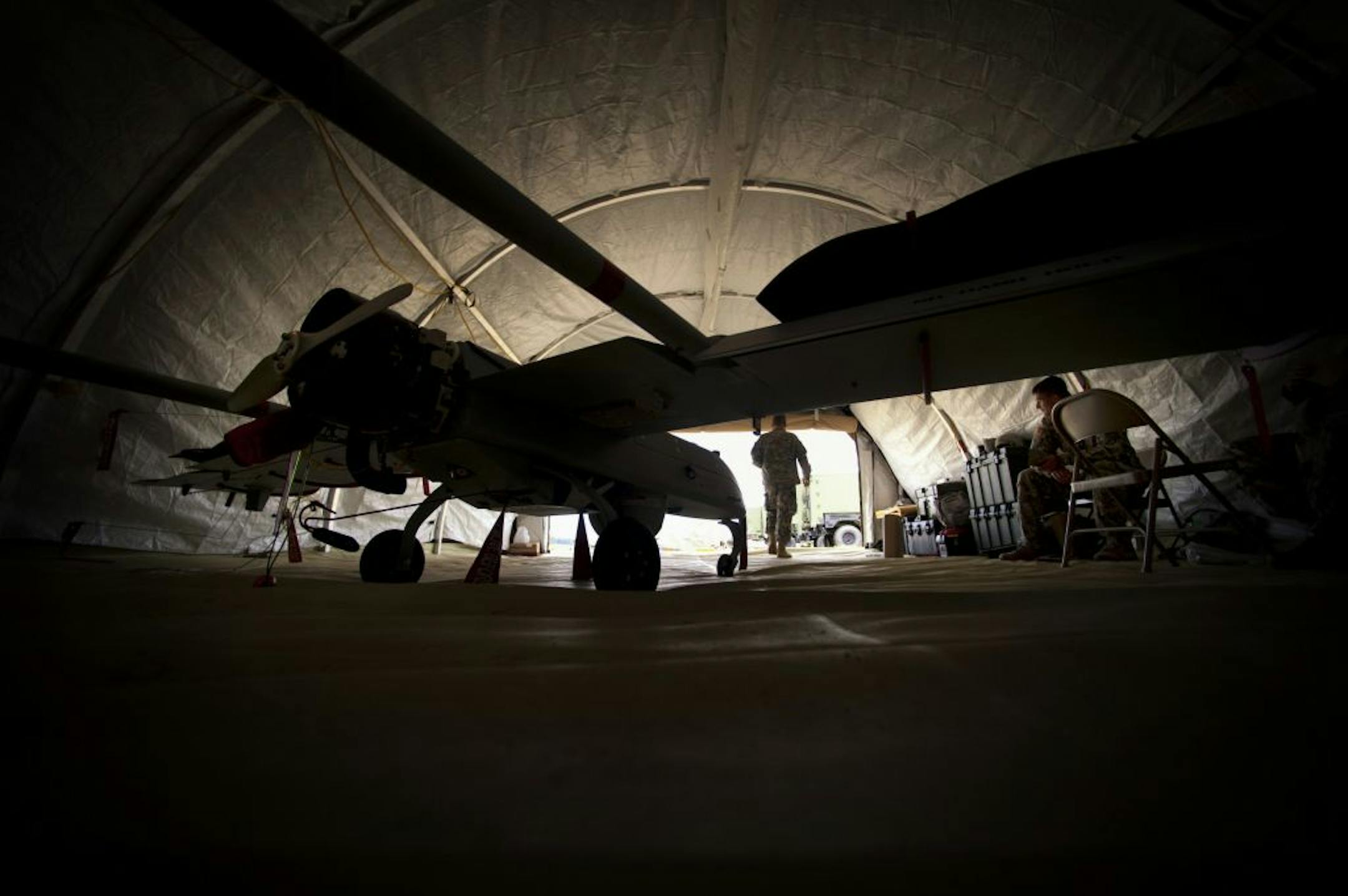
The contribution of the war on terrorism to this unfortunate history has been the drone: an unmanned plane that can aim at and hit a target with precision. And, as with earlier developments, we're getting used to it. The eye passes right over headlines such as "Yemen: Drone Strike Kills 2" buried inside the newspaper. Right now, we have more or less a monopoly on drones, which won't last any longer than our monopoly on nukes did.
The advantages of using drones are obvious. No American lives are put at risk, and the precision minimizes collateral damage, including the deaths of innocents who happen to be nearby.
The disadvantages follow from the advantages. When a military option seems less painful, it is more likely to be resorted to. The ability to strike at the enemy with absolutely zero risk to your own people must be especially appealing to politicians such as President Obama, for whom the decision to put Americans in harm's way is surely the toughest one to make.
But drones also highlight a terrible anomaly of civil-libertarian societies: the contrast between how we treat killing in battle -- state-sponsored killing -- and how we treat killing in civilian life. There are no Miranda warnings in the trenches. In fact, the entire edifice of protections against convicting the innocent is irrelevant in battle. You kill the other guy because he's trying to kill you, and unless you're raping women or slaying babies, you're going to get a medal, not criticism. Collateral damage -- including the deaths of complete innocents -- comes with the territory.


