

When Andrew Taton slathers sunscreen on his toddler he knows he's protecting her from the sun's rays, but he's also aware of an invisible magic in sunscreen: nano particles.
Zinc oxide and titanium dioxide, which put the "screen" in sunscreen, used to leave a white film. Now they've been nanosized, made so small that they're invisible. "They're really very super small particles," explained Taton, a chemistry professor at the University of Minnesota who specializes in nanoparticles.
But he's not completely comfortable with the magic. "I'm a scientist, and I have to issue a cautionary note," he said. "Science doesn't really know if they stay on the skin."
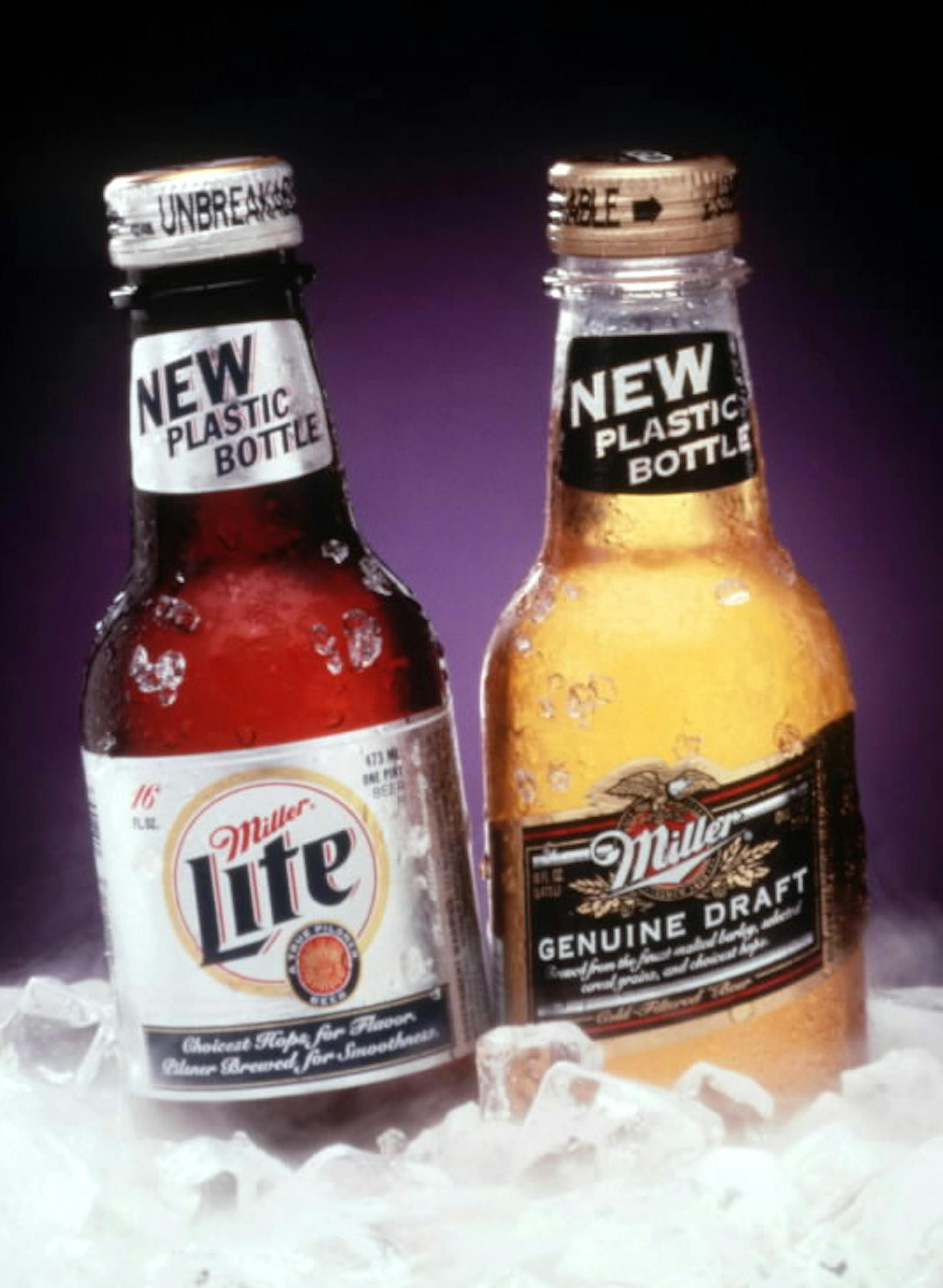
Sunscreen isn't the only product using nanotechnology. It's in Behr brand paint at Home Depot, Nano-Tex sheets sold at J.C. Penney, stain-resistant pants from L.L. Bean, the First Response pregnancy test from Walgreens. Even the Metrodome beer hawker is selling nanotechnology in the plastic bottles.
Surprised? You're not alone. Polls show that most Americans have no idea how far this new realm of science and engineering has reached into their lives.
Indeed, some 600 consumer products now contain nanoparticles, according to Project on Emerging Nanotechnologies in Washington, D.C., which maintains an inventory of consumer products using nanomaterials (www.nanotechproject.org/inventories/consumer). Two to three are added daily, according to director David Rejeski -- but that's only a guess. Manufacturers don't have to disclose the use of nanotechnology.
Why are nanoparticles in stores?
Thousands of times smaller than the width of a human hair, roughly 1 to 100 nanometers in dimension, nanoparticles occur naturally in the environment, such as the very minute particles in smoke.


