

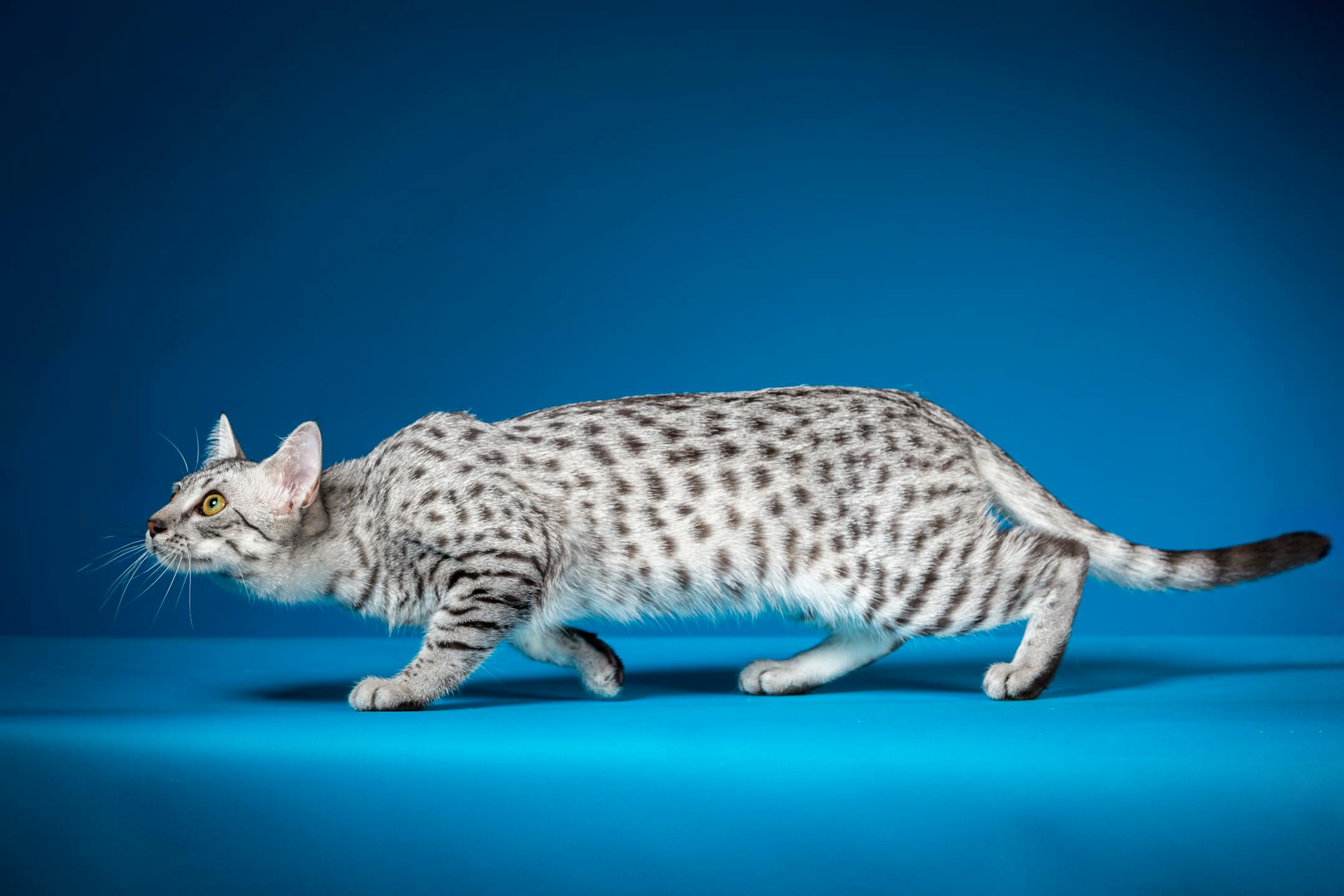
We always talk about the dog days of summer — those scorching days from late July to mid-August when Sirius, the Dog Star, rises and falls with the sun. But did you know that cats are also represented in the heavens? Three constellations bear the names of feline species: Leo, Leo Minor and Lynx.
Leo, after the Latin word for "lion," was described by second century astronomer Ptolemy. It contains many bright stars, making it one of the most recognizable constellations. The lion's mane and shoulders especially stand out, forming the shape of a sickle (or a reverse question mark). When stars appear to form a shape or pattern like this, it's known as an asterism.
Ancient Greeks, masters of crafting stories about the stars, thought that the crouching cat shape represented the Nemean Lion, a mythical beast that met its match in equally mythical Greek hero Heracles (Hercules, to the ancient Romans).
In the Greek tale, the lion's golden fur protected it from weapons, so Heracles took matters into his own hands — literally — by wrestling the beast, which had been terrorizing people in the surrounding countryside. The goddess Hera, who had loved the lion, placed it in the sky, making it a constellation.
Babylonian astronomers also saw a lion in the sky, referring to Leo as "The great lion." Other ancient people who recognized Leo in the sky were those of Mesopotamia, Persia, Turkey, Syria, Judea and India. In many places, the constellation was identified with the word for "lion" in the respective language.
Apart from the sky, you can see the Nemean Lion in various works of art. A Renaissance bronze sculpture of Hercules wrestling the lion resides in the Metropolitan Museum of Art in New York. A small bronze plaque by Moderno depicting the scene, also dating to the Renaissance, is held by the Cleveland Museum of Art. And a Greek postage stamp depicts a mosaic of the encounter.
But what about Leo Minor and Lynx? Because they were both designated as constellations in the 17th century, neither is associated with ancient myths.
Leo Minor was named by Polish astronomer Johannes Hevelius; the name, of course, means "the smaller lion" in Latin. It is a small, faint constellation located in the northern sky between Leo and Ursa Major (the Great Bear). In 1870, British astronomer Richard A. Proctor renamed Leo Minor as Leaena, meaning "lioness," but the constellation is still best known by its original name.


