

Whether by accident or by deliberate osmosis, Israel and the United States have adopted similar solutions to their existential problems.
Before 2002, during the various Palestinian intifadas, Israel suffered hundreds of deaths and thousands of injuries from suicide bombers freely crossing from the West Bank and Gaza into Israel.
In response, Israel planned a vast border barrier. The international community was outraged. The Israeli left called the idea nothing short of "apartheid."
However, after the completion of the 440-mile border barrier — part concrete well, part wire fencing — suicide bombings and terrorist incursions into Israel declined to almost nil.
The wall was not entirely responsible for enhanced Israeli security. But it freed up border manpower to patrol more vigorously. The barrier also was integrated with electronic surveillance and tougher laws against illegal immigration.
The wall also brought strategic and political clarity. Those who damned Israel but freely crossed its borders sounded incoherent when they became furious that the barrier prevented access to the hated Zionist entity.
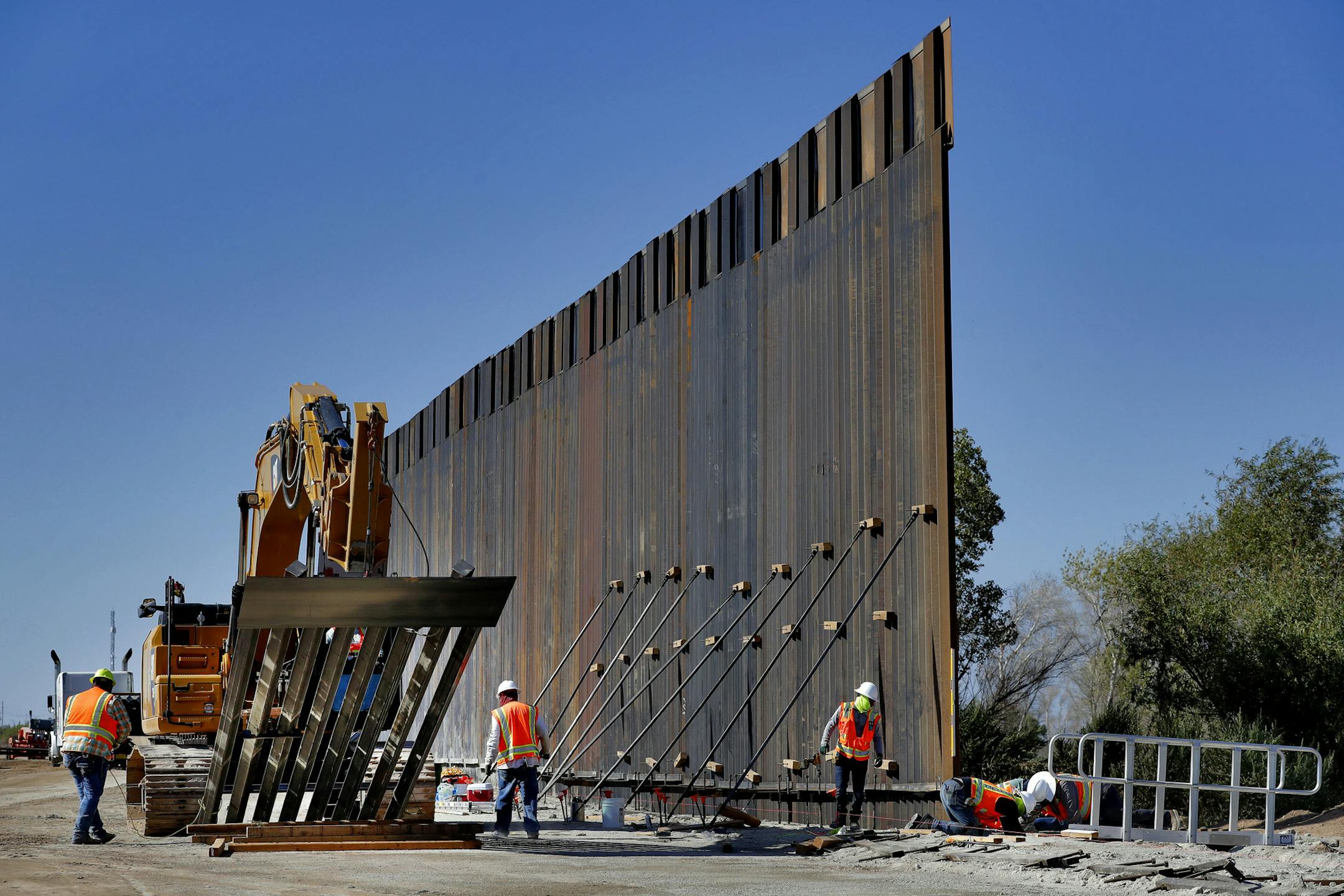
The Trump administration is currently seeking funds to create new border walls and replace old, porous fencing in order to stem illegal immigration on the southern border.
The strategy seems similar: The wall will free up manpower for better border policing. It likewise provides a certain political clarity. The United States is often criticized by Mexico and other Latin American countries. It is now being taken to task for the effort to make it more difficult to illegally enter such a supposedly unwelcome and hostile landscape.


