At the Capitol, Gov. Tim Walz and legislators again this session seem willing to keep Minnesota deer and elk farmers in business, while hoping simultaneously to quell the growing disquiet among hunters over the spread of chronic wasting disease (CWD) in the state's approximately 1 million wild whitetails.
Inexorably, CWD in recent years has threatened wild deer from southeast Minnesota northwest to the Bemidji area, with CWD outbreaks often occurring close to ''captive cervid'' operations, as deer and elk farms are known.
To keep the disease from spreading further in areas where outbreaks have been detected, the Department of Natural Resources (DNR) has culled wild deer herds by issuing extra hunting permits. Though unpopular with many hunters, the action is considered necessary to reduce the number of animals the disease can infect.
At stake is a Minnesota tradition that dates to before statehood and a related $500 million deer-hunting economy.
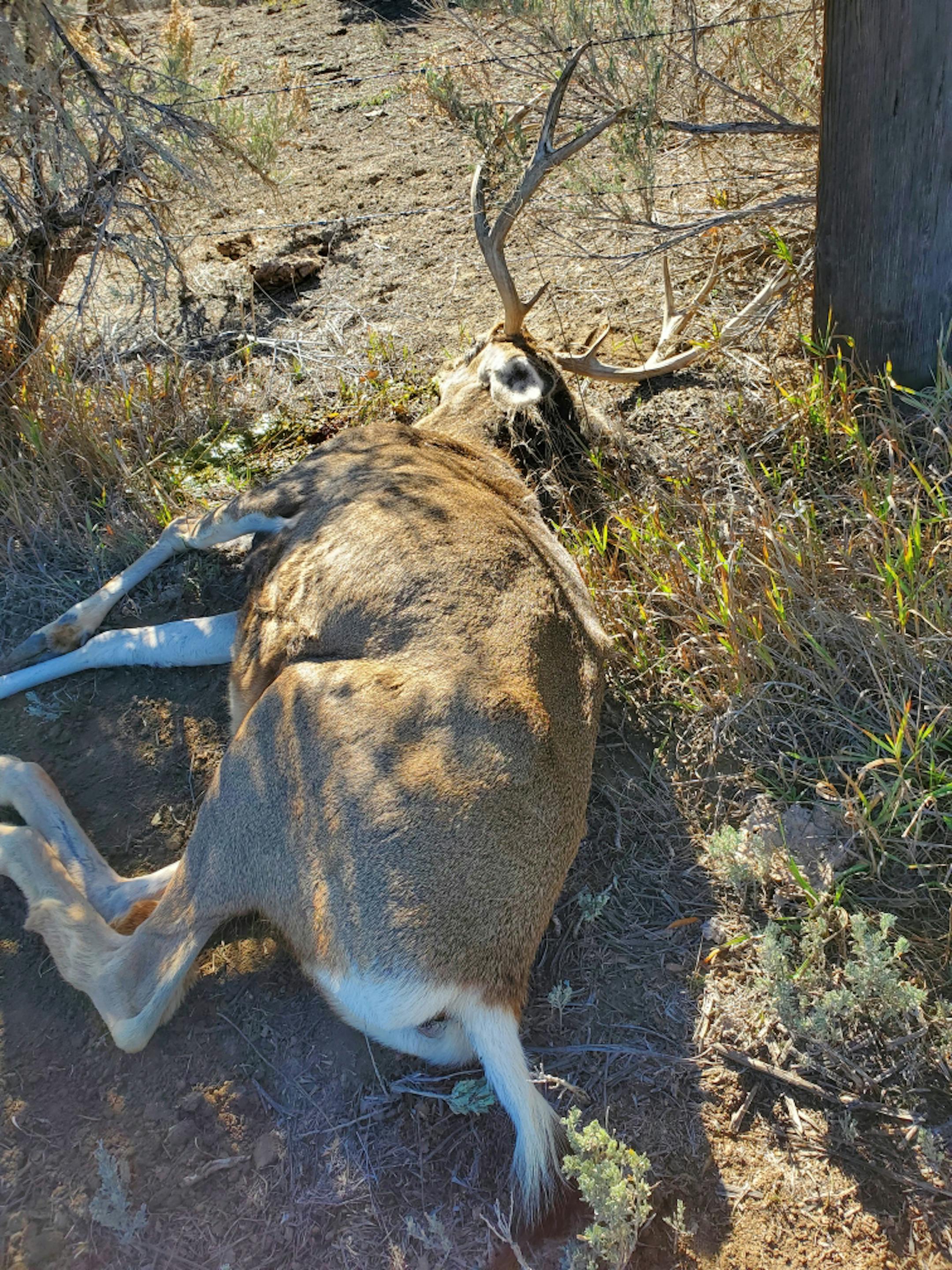
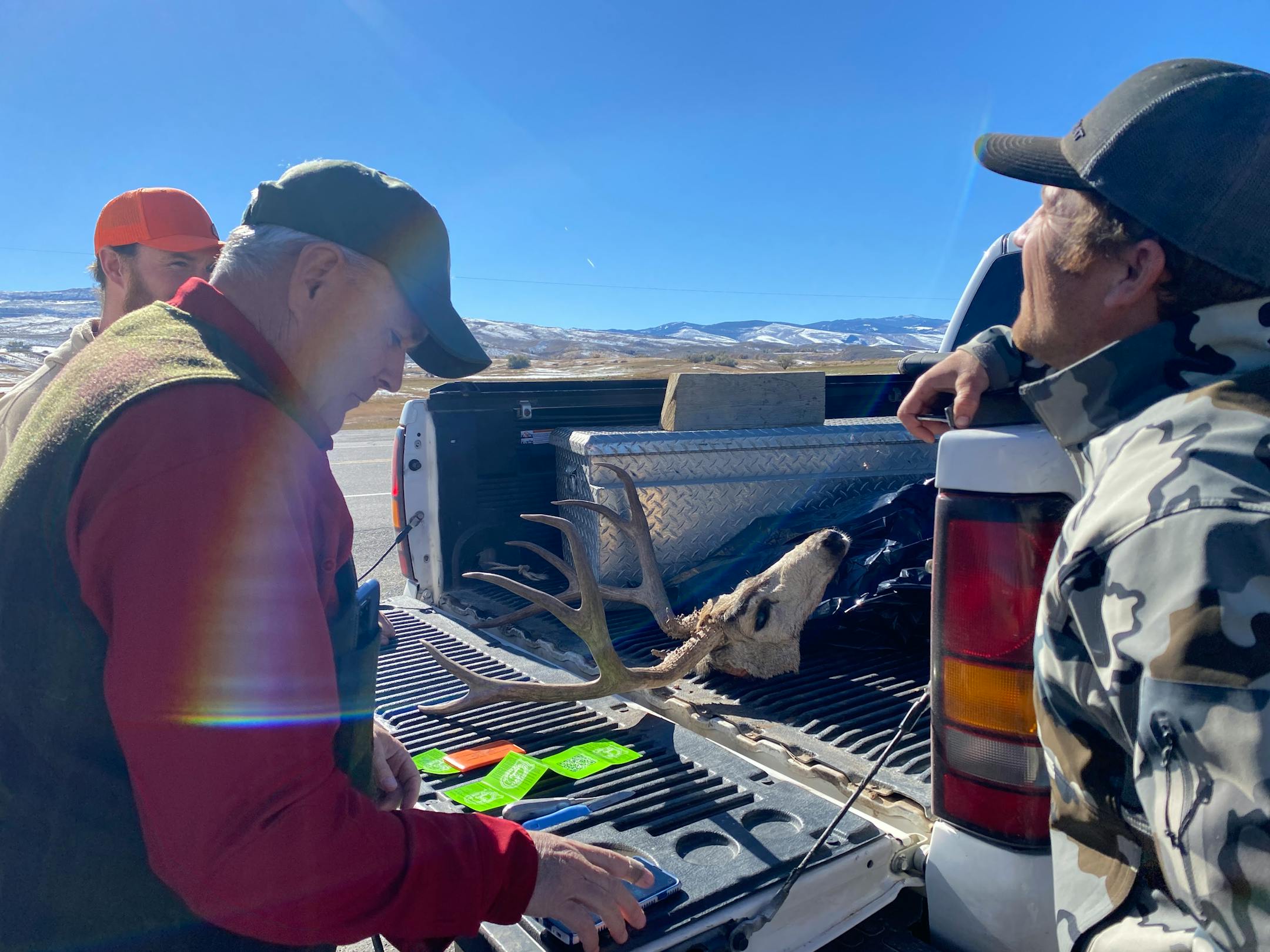
Mike Koshmrl has seen firsthand the devastation CWD can wreak on wild deer.
Koshmrl grew up in Eden Prairie and graduated from St. John's University before studying environmental journalism at the University of Colorado Boulder. Now a resident of Jackson, Wyo., he has reported for 12 years from Colorado and Wyoming, and currently writes for WyoFile.com.
Koshmrl's recent story about a Wyoming mule deer herd that is more than 60% CWD infected points, perhaps, to an ominous future for Minnesota unless the always-fatal deer brain disease is controlled here.
Koshmrl has a stake in Minnesota's CWD fight. He returns to his home state each fall to hunt whitetails with family and friends in Itasca County.