

Jennifer Heimlich had some cautionary advice for the mostly white crowd that filled the auditorium at Hopkins Center for the Arts: Talking about race is not easy.
"One of the first rules of having courageous conversations about race ... is that we should expect and be willing to feel uncomfortable," said Heimlich, who has taught a diversity seminar at Hopkins High School for 10 years.
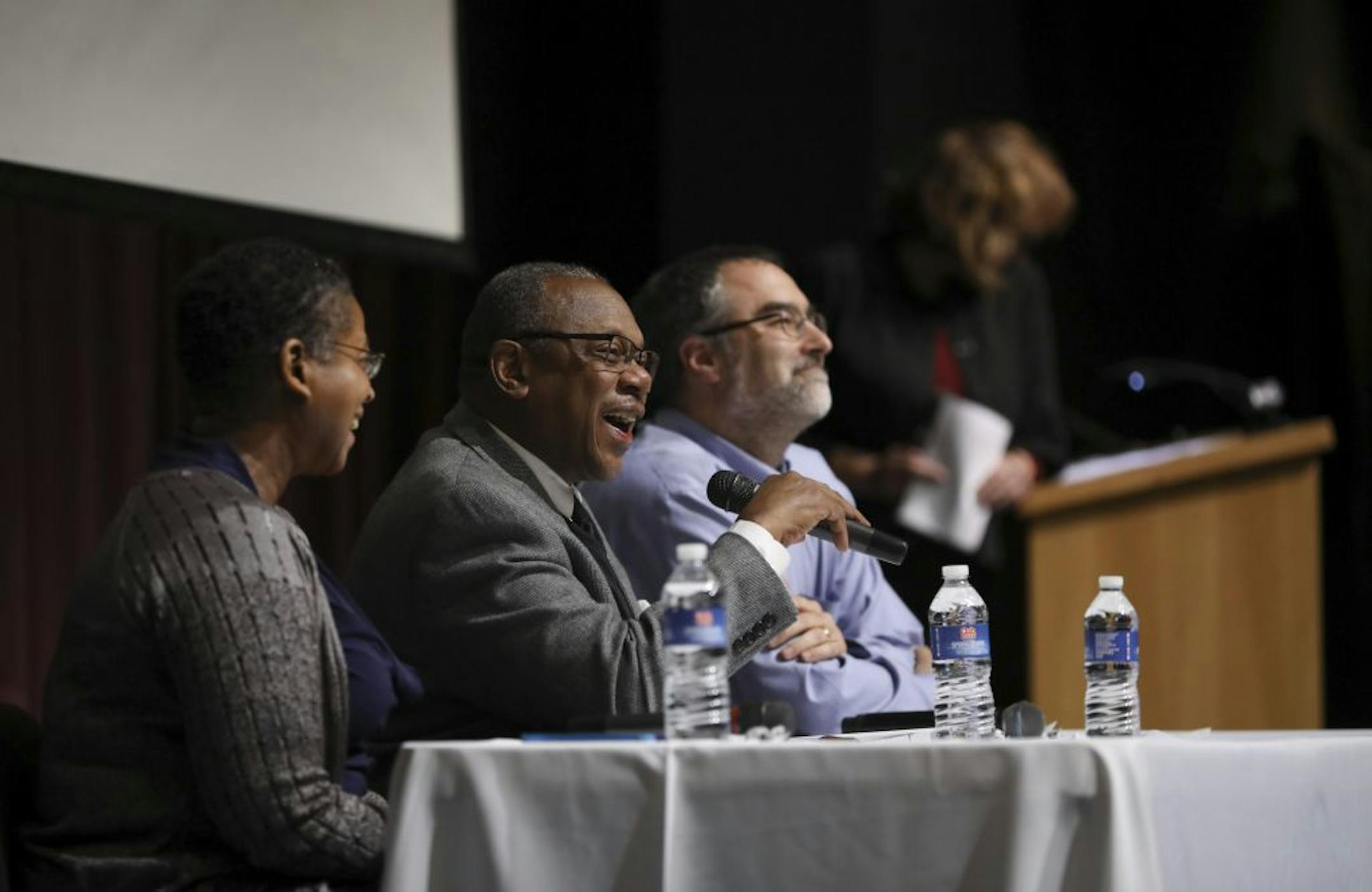
What followed on Monday night was a discussion by Heimlich and three local panelists who shared how skin color has affected their experiences in Minnesota. The community forum, "Is White Privilege Real or Imagined?" was organized by the city's Race and Equity Initiative.
The panelists were clear on one point: White privilege, and the lack of awareness about it, is absolutely real.
"There are things that I don't necessarily have to think about or worry about simply because of what I look like," said Heimlich, who is white. "If we can't acknowledge that this historical thing called white privilege exists, our friends of color aren't going to see the white folks as being truly part of the conversation and truly authentic."
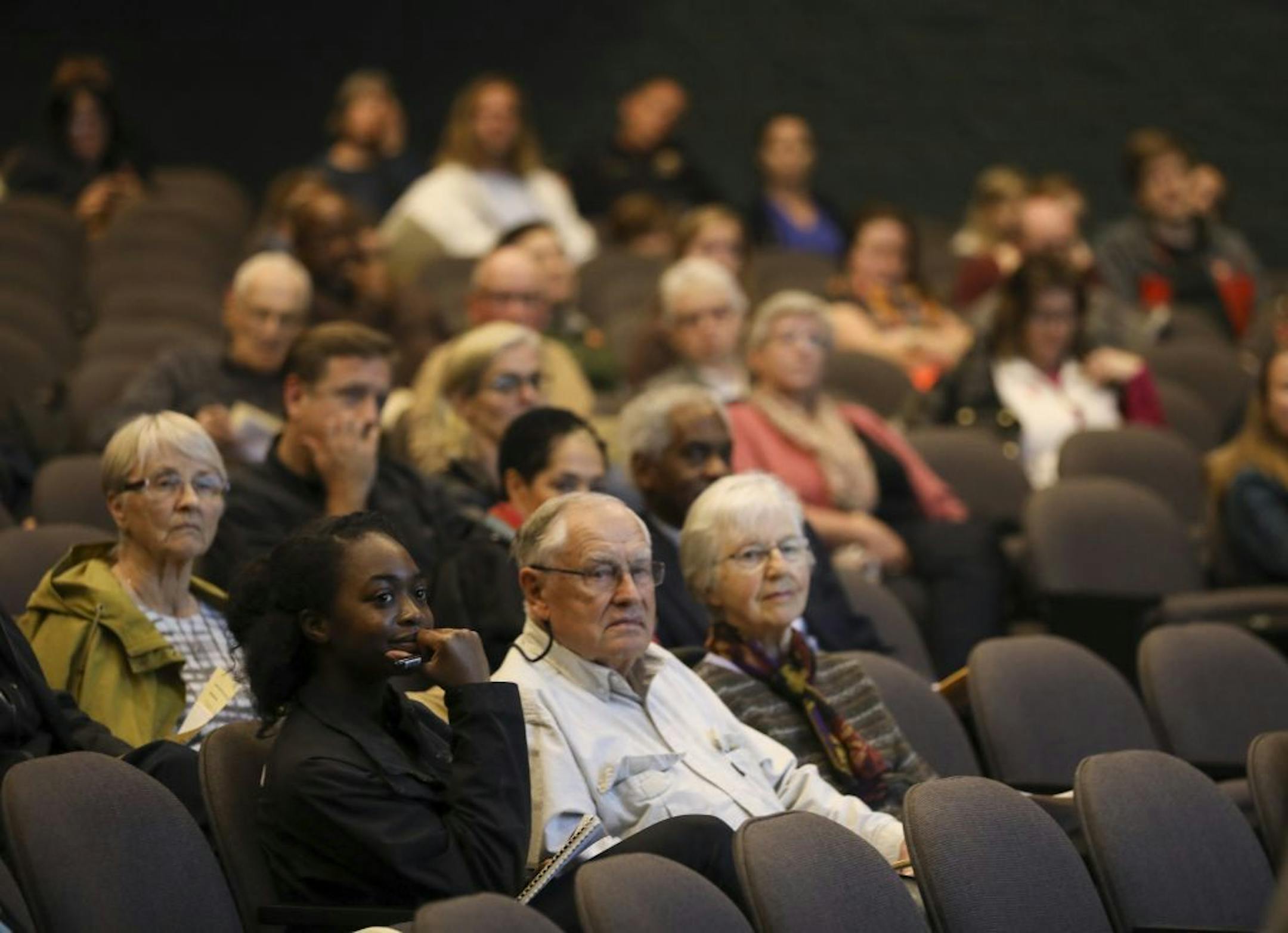
About 200 people attended the forum, including city leaders from other western suburbs. It was the latest in a handful of events about race organized this year by the initiative, a partnership among Hopkins Public Schools, the Hopkins Police Department and Gethsemane Lutheran Church.
Henry Crosby and Janice Downing, black panelists who live in Golden Valley, said that some of their most important experiences with white privilege came from interactions their children had in the school system.
"The scenarios began to unfold every time we went somewhere," said Crosby, executive director of the YMCA at Heritage Park in Minneapolis. He recalled salesmen ignoring him and his wife, or tense interactions with agents at airport security checks.
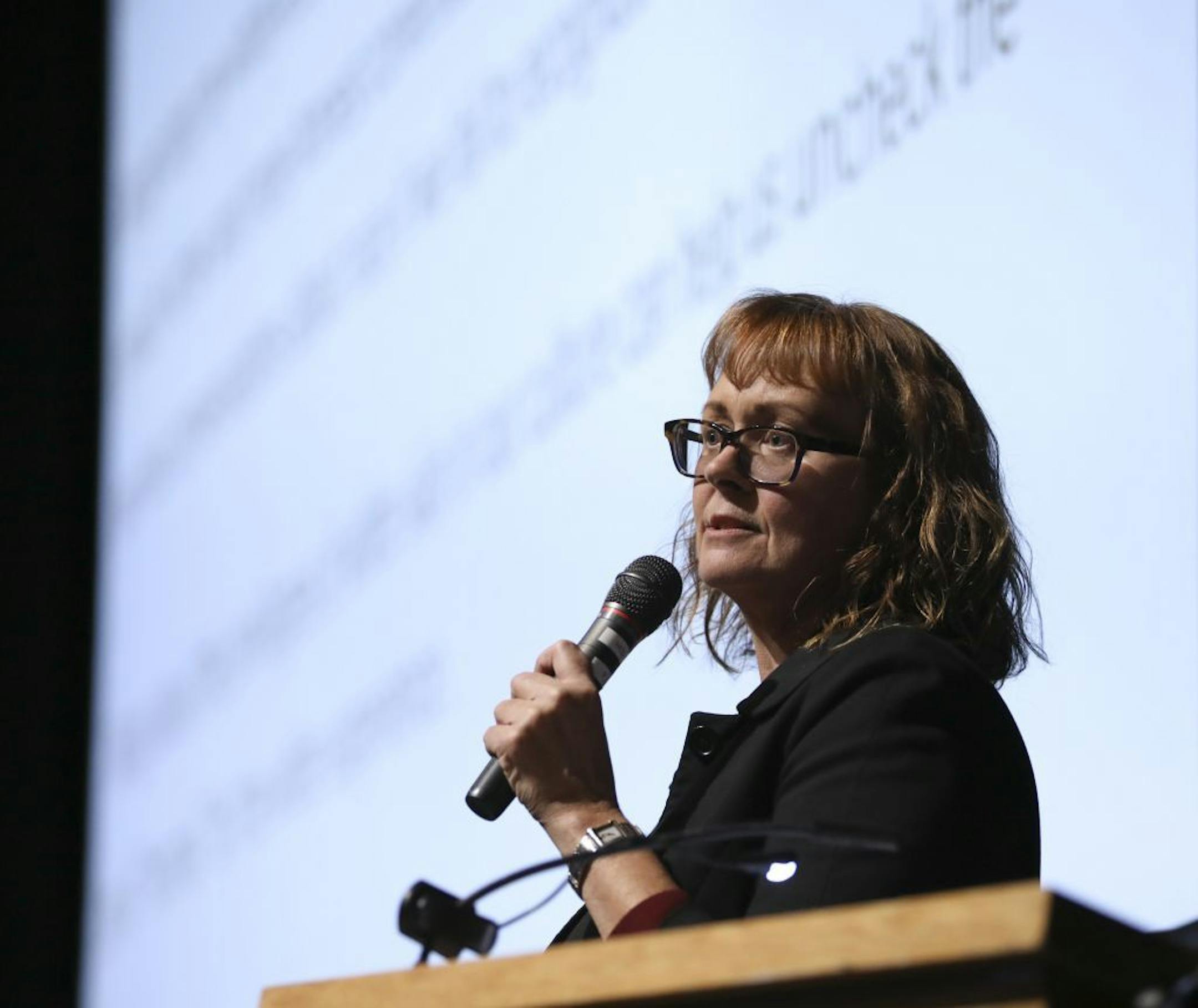
![The panel was made up of Janice Downing, Henry Crosby, speaking, and Paul Spies, from left. The modeerator was Jennifer Heimlich, rear. ] JEFF WHEELER ï jeff.wheeler@startribune.com As part of their ongoing Hopkins Race & Equity Initiative, the City of Hopkins held a Community Forum Monday night, October 24, 2016 with the topic "White Privilege: Is it Real or Imagined?"](https://arc.stimg.co/startribunemedia/3XHG2OU7MNIN2YUHVQEU6IKIYI.jpg?&w=1080)


