
Is that an elephant? Help researchers identify animals of the Serengeti

From the sofa in Minnesota, train your eyes on the plains of the Serengeti.

December 14, 2012 at 8:47PM
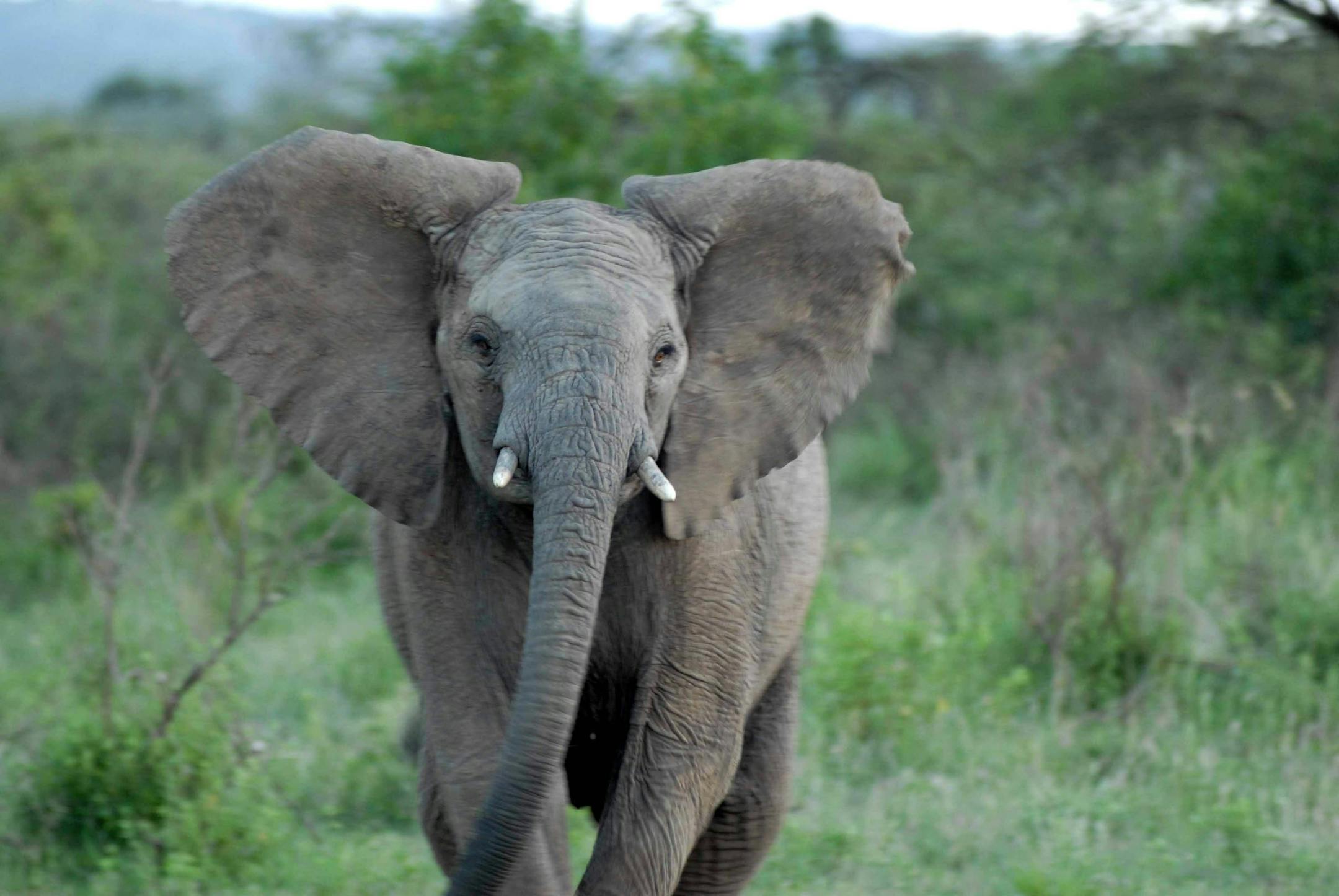
(NYT59) MASAI MARA, Kenya -- February 29, 2008 -- KENYA-TOURISM-3 -- A young elephant in Masai Mara national park in Kenya on Feb. 24, 2008. Tourism is one of Kenyas biggest industries, but the violence that exploded after a flawed election in December has eviscerated the business, with bookings down 80 to 90 percent in most areas. (Guillaume Bonn/The New York Times) ORG XMIT: NYT59
(NYT59) MASAI MARA, Kenya -- February 29, 2008 -- KENYA-TOURISM-3 -- A young elephant in Masai Mara national park in Kenya on Feb. 24, 2008. Tourism is one of Kenyas biggest industries, but the violence that exploded after a flawed election in December has eviscerated the business, with bookings down 80 to 90 percent in most areas. (Guillaume Bonn/The New York Times) ORG XMIT: NYT59 (Tom Herberg — Associated Press/The Minnesota Star Tribune)

From the sofa in Minnesota, train your eyes on the plains of the Serengeti.

Researchers from the University of Minnesota are asking the public to go on a digital safari and help identify the African wildlife caught on camera in Tanzania's Serengeti National Park along the way.

A zebra here, a baboon there. Maybe a cheetah, an elephant or a lion.

Click through a quick tutorial at www.snapshotserengeti.org and then sift through the more than 4 million pictures taken by 225 cameras mounted in the wild, triggered by heat and movement.

No matter if you don't know a mongoose from a wildebeest. Volunteers can click on different descriptors to narrow their choices and other photos are available for comparison. Every picture is viewed by at least five people and sometimes as many as 25, before being verified.

"It's OK if you make a mistake," said Ali Swanson, a graduate student at the U. "You're not going to mess up our research."

The camera survey started as part of Swanson's doctoral research on carnivores, but will be kept up for years through the Serengeti Lion Project, a long-term U research effort.

It's an exciting way to get people involved in science, and a window into an otherwise hidden world, Swanson said.

"It's like this candid camera into Serengeti," she said. "You get to see the animals behaving like they would when no one's there."

about the writer

about the writer

Katie Humphrey

Regional Team Leader

Katie Humphrey edits the Regional Team, which includes reporters who cover life, local government and education in the Twin Cities suburbs.

See Moreicon