It's courtship season in the avian world, and male birds are pulling out all the stops to attract a female and begin raising a new generation.
For bird behavior watchers, this can be a fascinating time, but it can be challenging, too, since it's not always easy to tell the genders apart. Is that a male singing his heart out on a branch? Is that a female carrying what looks like material for building a nest?
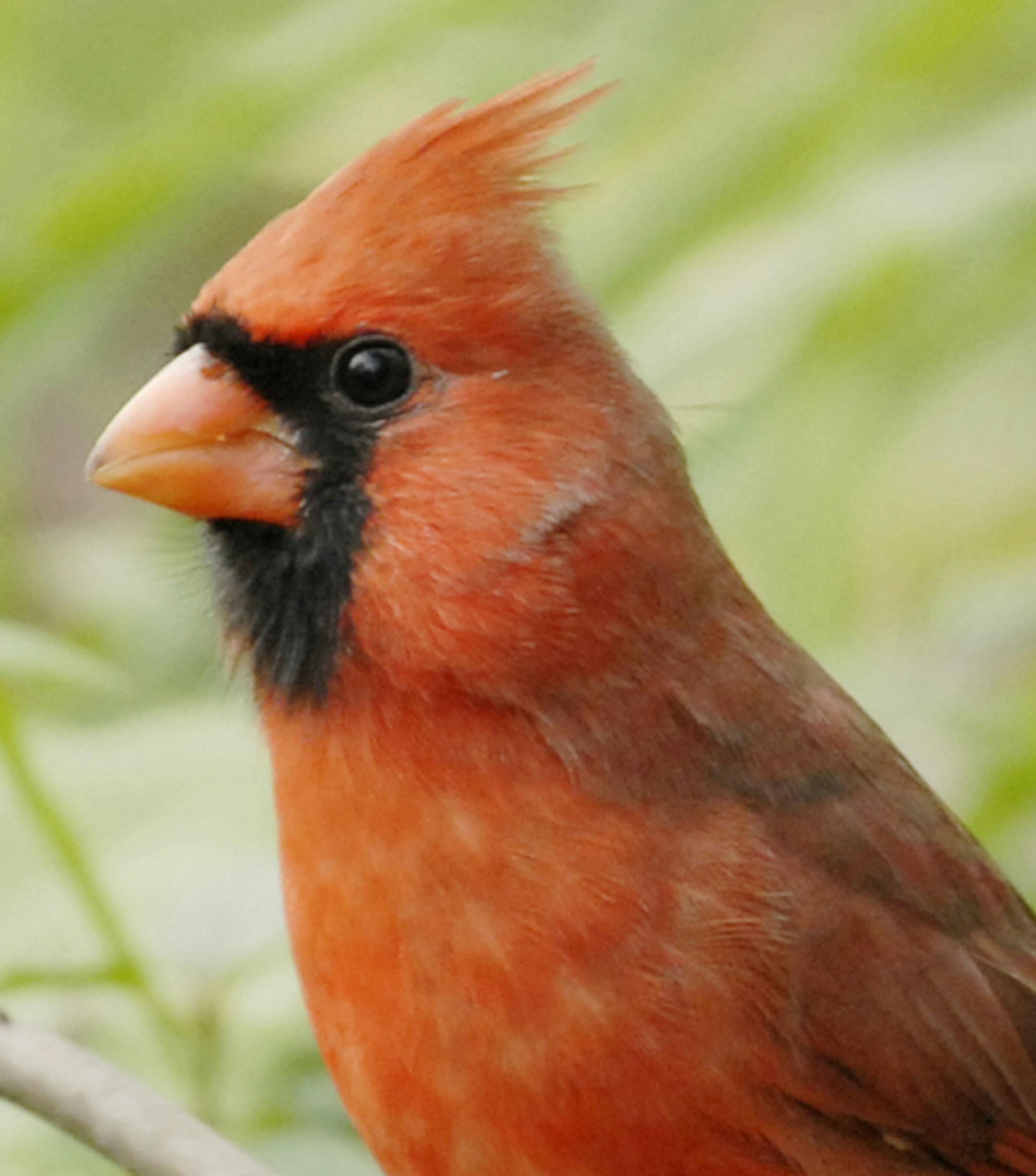
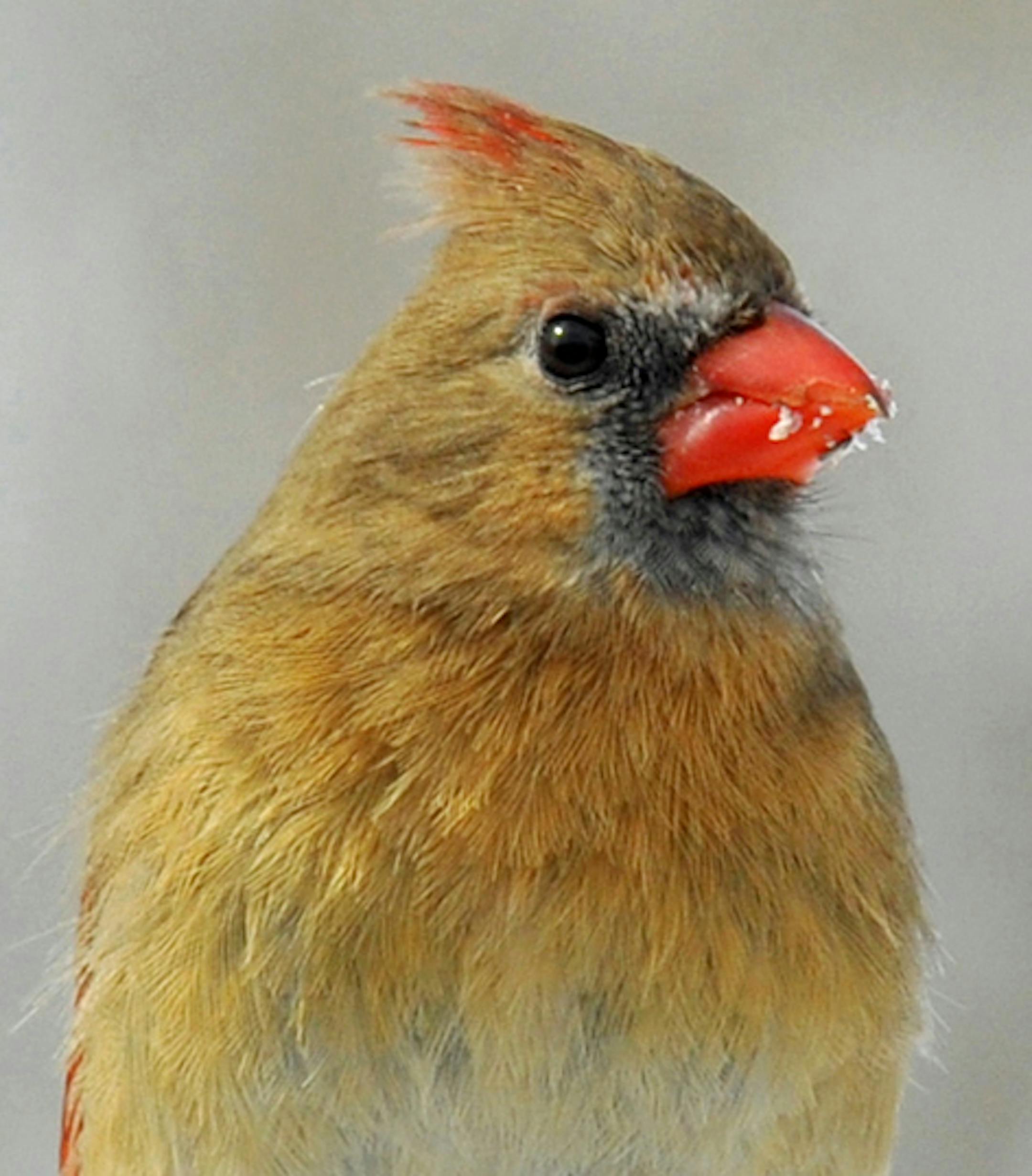
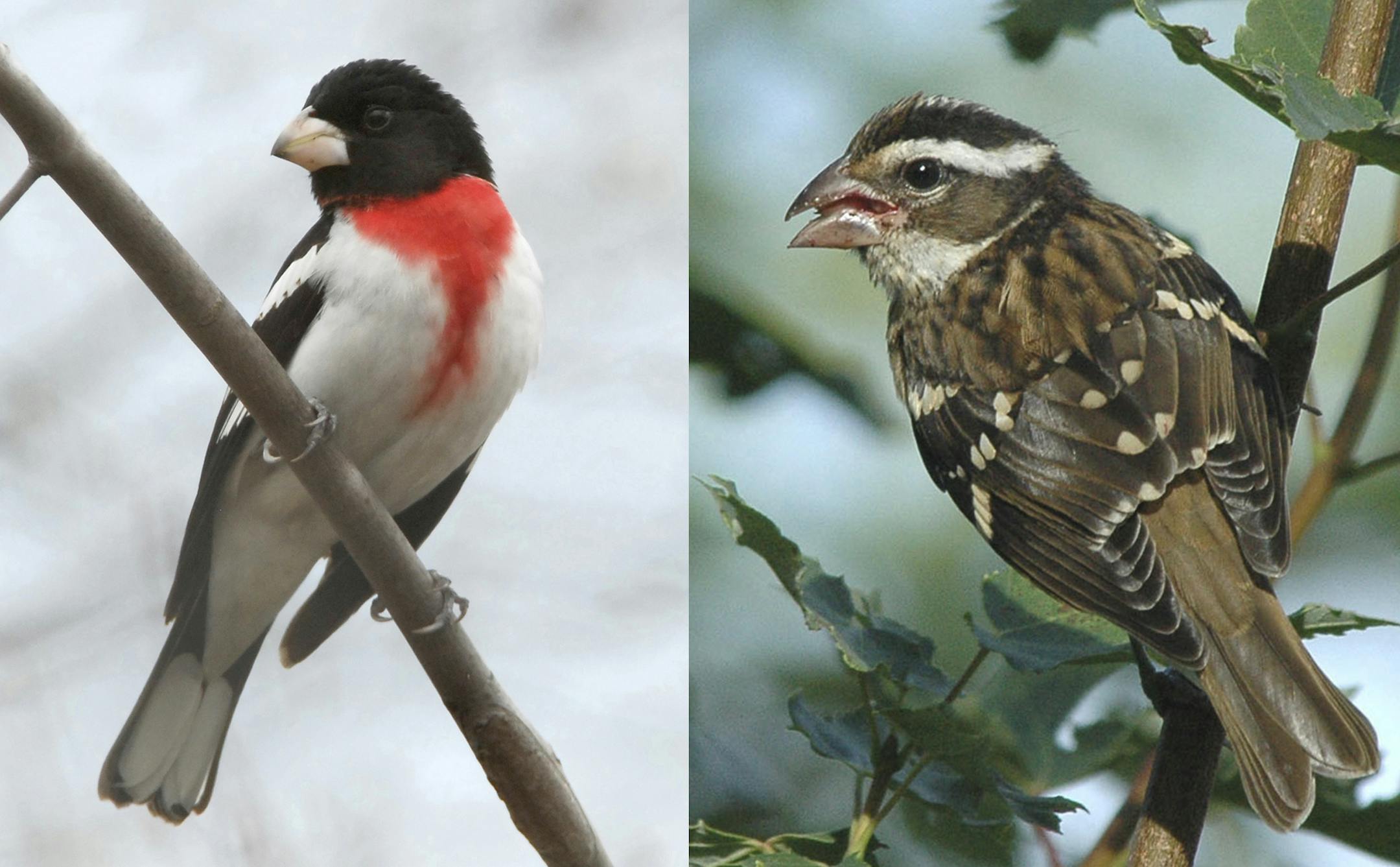
Bird species where males look very different from females are easy. Think of bright red male cardinals and the subtler but equally beautiful females, or house finches, with red-splashed males but drab, brown females. And there's no mistaking male and female mallards and rose-breasted grosbeaks, either.
Among raptors, the females and males of many species have similar feather coats, but some give us a clue via size differences. This is true for sharp-shinned hawks, where a female may be a third larger than a male. And female great horned owls and bald eagles can be noticeably larger than their mates, but you'd need to see them perched together to discern this difference.
'Dees and jays
Among the birds visiting our feeders, blue jays and black-capped chickadees are nearly impossible to tell apart, because both males and females have identical coloration and markings.
"Chickadees are a little easier than jays because males sing much more than females do," says Duluth naturalist and ornithologist Laura Erickson, "but this isn't 100 percent accurate because female chickadees sometimes sing, too." (If we had a black light, like Canadian researcher Daniel Mennill, we could see the fluorescent pink shine on 'dee feathers that tells males from females.)
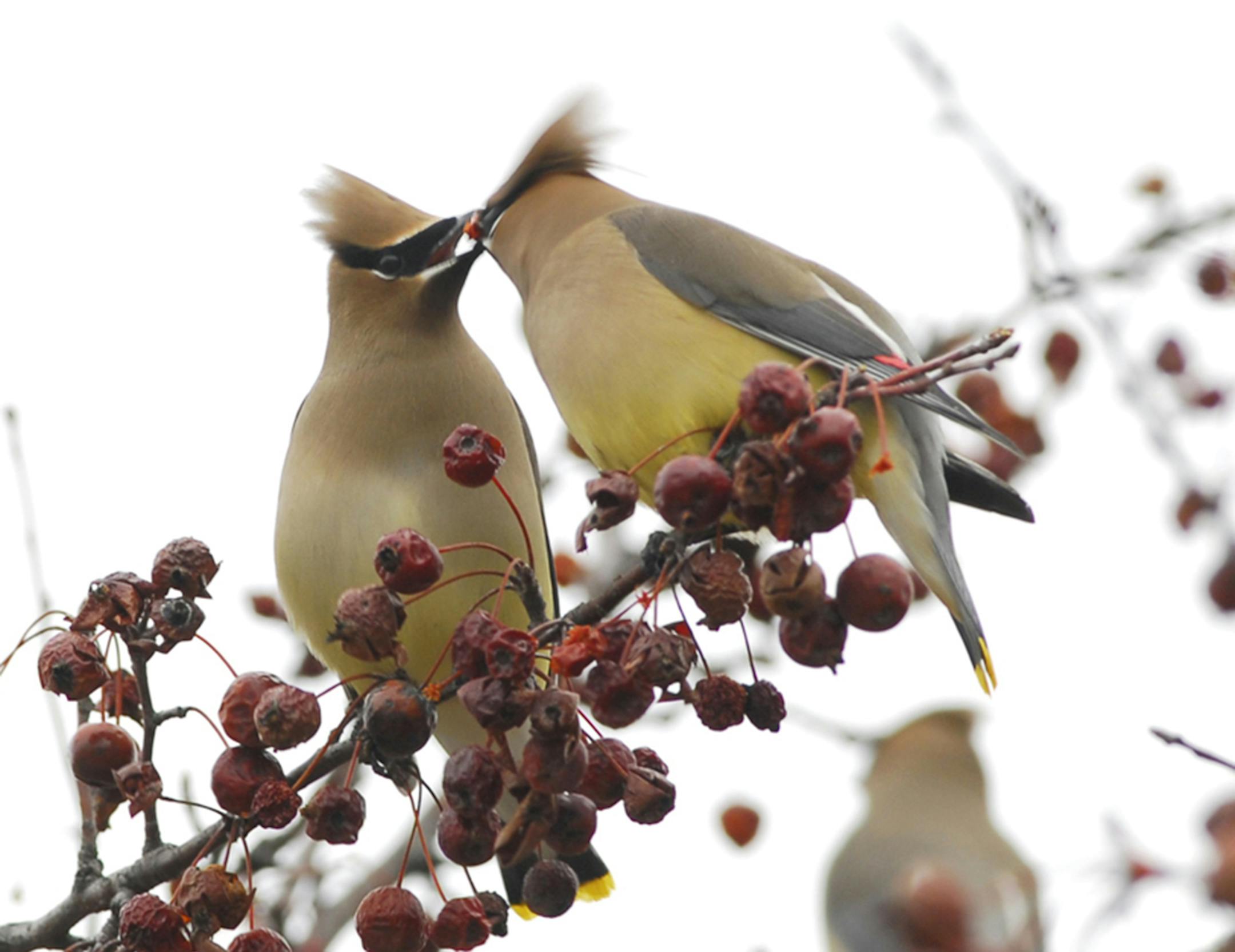
Another challenging backyard visitor is the catbird, with both genders showing a sleek gray body and rusty rump. Ditto the cedar waxwing, with females and males having identical, sleek Art Deco looks. Crow genders look exactly the same, as do Canada geese, great blue herons and sandhill cranes.
The brightness of a bird's plumage is important to its ability to attract a mate, but we don't always see what birds see, since their vision system is different from ours and they can see ultraviolet light, which may point up invisible, to us, patches of color.