

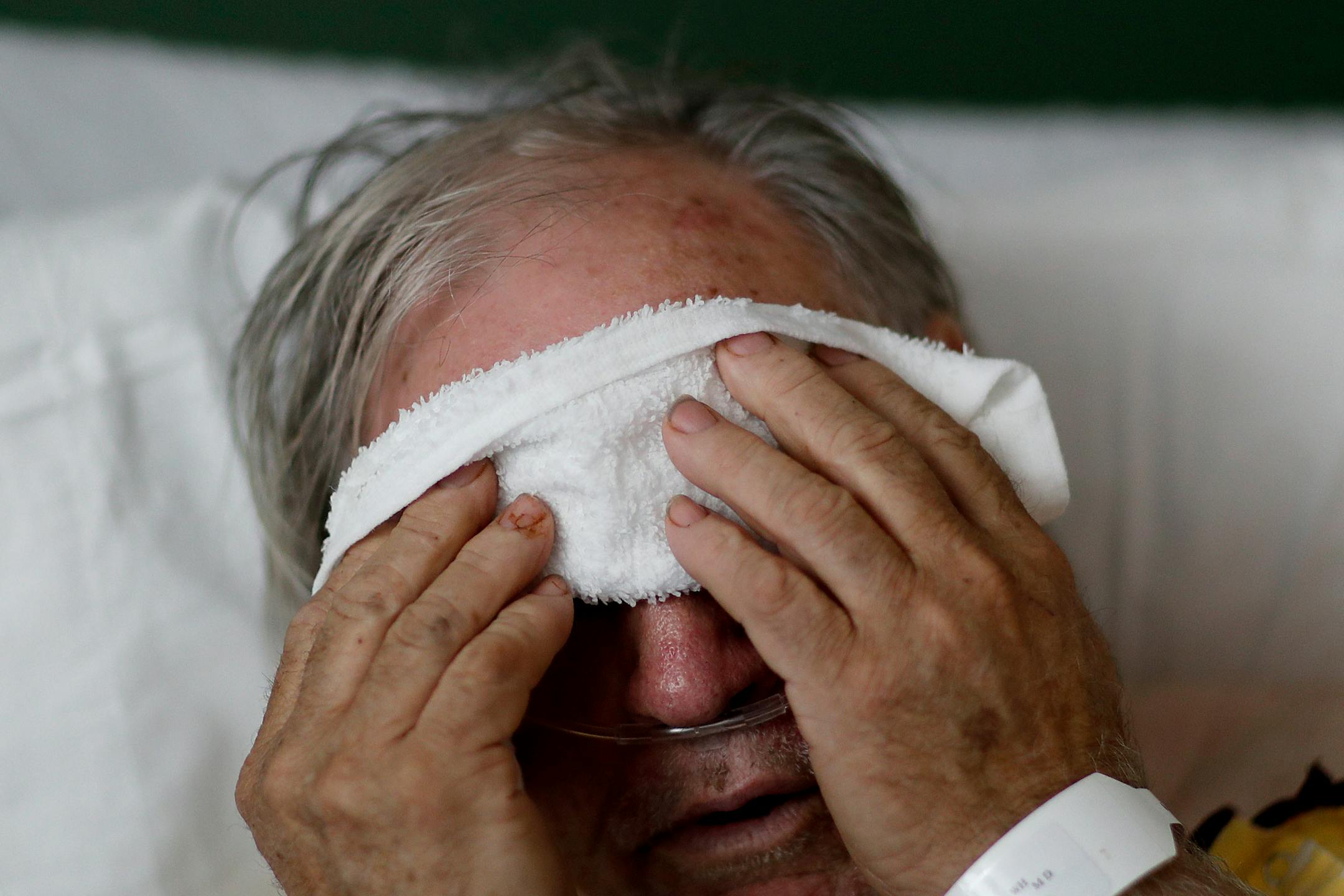
Doctors in the United States are bracing for a "twindemic" of flu and coronavirus spikes. Germany bought extra flu vaccines. Tens of thousands of people in Britain are looking up "worst cold ever" on search engines.
In countries with relatively high vaccination rates such as the United States and in Europe, it could get tricky this winter for the immunized to tell a nasty cold from a breakthrough case of COVID. It's also hard to predict how bad this flu season will be after last year's historically low flu rates during lockdowns.
With children back in school in many parts of the world and travel picking up in tourist spots, health-care professionals worry that the flu season could come roaring back and are urging people to get their shots.
Q: Why are health officials worried about the flu this year?
A: Health experts say Americans have built up less natural immunity against influenza because so few were infected in 2020. The comeback of common viruses including RSV brought toddlers, who were not exposed as babies, to U.S. hospitals with severe cases this year.
While a feared collision of infections remained at bay last winter, viruses will have more potential to spread this fall in venues opening up again. This has medical staff worried that flu and COVID-19 admissions could surge together in the next few months.
Many countries have warned of this: Britain expanded its free annual flu shot drive to cover more people, while France ordered 30 percent more of the seasonal flu vaccine than it did last year.
Q: What are the symptoms of COVID, flu or a cold? Can you tell the difference?


