
Advertisement

Is it safe to travel to Mexico? What to do if you have a trip planned.

Unrest in Puerto Vallarta and elsewhere comes just in time for spring break travel.

The Minnesota Star Tribune
February 24, 2026 at 1:24PM
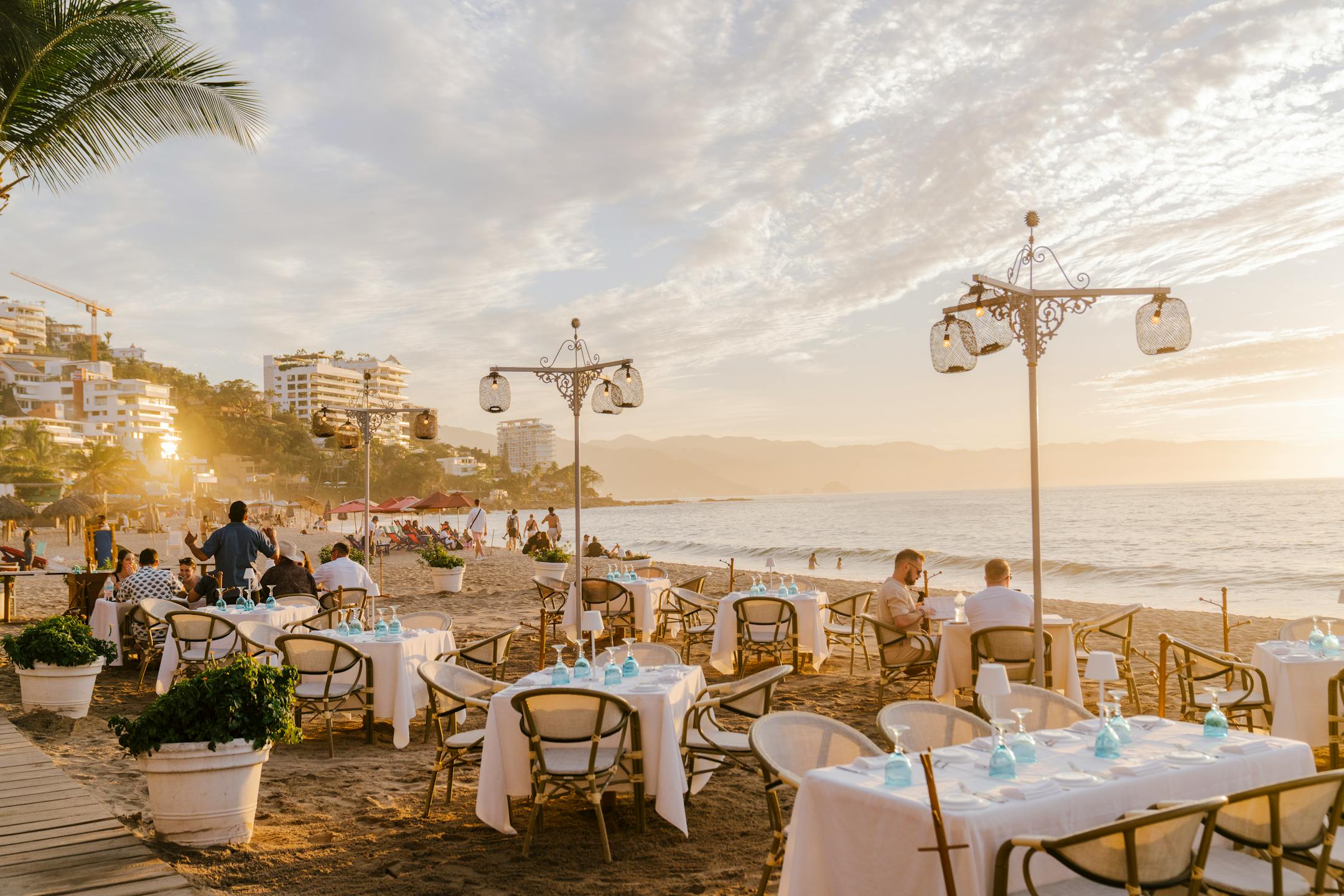
On Jan. 28, 2025, diners catch the sunset on the beach at El Dorado restaurant in the Zona Romántica of Puerto Vallarta, Mexico. (JAKE NAUGHTON/The New York Times)
Advertisement

In the wake of the death of Mexican drug lord “El Mencho” this past weekend, travelers braced for chaos.

Social media featured alarming images of fire and smoke rising on Feb. 22 in the scenic resort city of Puerto Vallarta. Flights were canceled Sunday and Monday, including four planes returning to Minneapolis-St. Paul. American tourists were urged to shelter in place in their hotels or resorts until further notice. U.S. government advisories were issued for areas across Mexico.

Mexico is by far Americans’ favorite foreign travel destination. Minnesotans have seven nonstop destinations to the country from MSP, with over 400,000 passengers each year to Cancun alone.

So with spring break upon us, is Mexico safe for travel? Here’s what to know about the crisis, and how to handle your vacation plans.

The situation on the ground

Mexico, the 13th largest country, is an expansive, complex nation, with cartel influence generally confined to specific regions.

The Puerto Vallarta situation is a striking contradiction: Although it is considered a beautiful and generally safe resort city and cultural haven, it also sits on the edge of Jalisco state, which is dominated by El Mencho’s Jalisco New Generation Cartel.

The U.S. Embassy’s fifth and latest security update on the cartel conflict continues to single out Jalisco (including Puerto Vallarta and the city of Guadalajara) and nearby Nayarit state for concern. Areas dropped from the alert Tuesday include Baja California, Colima, Guanajuato, State of Mexico, Nuevo Leon, Oaxaca, Puebla, Queretaro, San Luis Potosi, Veracruz and Zacatecas states.

Other than Puerto Vallarta, the initial alerts did not include a lot of tourist hotspots easily accessible from MSP. Los Cabos in Baja California Sur, arty San Miguel de Allende in Guanajuato, and seaside Ixtapa and Acapulco in Guerrero were not mentioned.
Advertisement

Cancun, meanwhile, is a 30-hour, 1,500-mile drive from Puerto Vallarta, west to east. The U.S. Embassy did on Sunday briefly warn about activity in Quintana Roo state (which includes Cancun, Cozumel and Tulum), but Monday it declared that “the situation has returned to normal there.”

The State Department’s travel ratings

To understand which parts of Mexico are suitable for travel in regular times, one major source is the U.S. State Department’s travel advisory map, which lists four categories: Level 1 (exercise normal precautions), Level 2 (exercise increased caution), Level 3 (reconsider travel) and Level 4 (do not travel).

The State Department breaks Mexico down on the state level so travelers can get specific advice on individual destinations. Mexico City, Quintana Roo, Baja California Sur and Oaxaca are all generally Level 2. Jalisco, Baja California and Chiapas are Level 3. The states of Guerrero and Sinaloa are Level 4.

The Level 2 advisory for Cancun, Mexico City and Los Cabos suggests a slight risk of crime or terrorism, with additional advice about petty crime and going out at night. For context, most of Western Europe is rated Level 2.

But even Level 4 areas of Mexico include some popular tourist destinations, like Mazatlan in Simoa and Ixtapa and Acapulco in Guerrero. In these regions, travel by U.S. government employees is restricted. When in doubt, read the State Department’s guidance on specific areas.

The department also encourages travelers to join the Smart Traveler Enrollment Program (STEP) to get U.S. embassy and consulate updates and alerts for your destination, as well as personal help if it’s needed.

Advertisement

Book with flexibility

The Puerto Vallarta news shows the importance of making your vacation plans flexible. Whenever possible, choose lodging with a flexible cancellation policy, and book flights that can be changed without a fee.

Delta Air Lines issued a travel waiver for Puerto Vallarta and Guadalajara through Feb. 26. Travel can be rebooked through March 7 without paying the fare difference.

But it’s important to remember that any ticket booked in the Delta Main Classic class or higher can always be changed without a fee, with a Delta eCredit issued for future travel. If you fly often out of MSP, a standing Delta credit is an OK thing to have.

Sun Country Airlines normally charges a change fee of $99 per segment less than two weeks before departure. The airline’s advisory states that “change fees are currently being waived for this situation.”

Don’t skip travel insurance

Travel insurance to protect your trip and your investment is almost always a good idea, particularly for Mexico. In addition to getting reimbursed on any nonrefundable expenses, travel insurance can include medical coverage and the cost of medical evacuation, which can be pricey.

A couple of caveats: Make sure your policy specifically lists situations like war, unrest or terrorism, or you may not be covered.

Advertisement

Also, if you purchase an insurance policy after the start of a known incident — such as the outbreak of unrest or the official naming of a tropical storm — you will not be covered for losses. It’s best to purchase a policy as soon as possible after booking a trip. Make sure it’s refundable up until the start of the trip. If you really want a bulletproof policy, you can shop for a more expensive “cancel for any reason” plan.

In a pinch, some higher-end travel credit cards (such as Chase Sapphire and some American Express cards) can cover trip cancellation and delay expenses.

Don’t panic

For their part, the Mexican people seem to be taking the current events in stride.

This writer has a trip planned in March to Mexico City, the cosmopolitan capital. I asked my Airbnb host for more flexibility on an upcoming cancellation deadline while assessing the news. He replied, “We fully understand what’s happening, but we want to let you know that the situation is in another province, not in the city, so activities will not be affected. We would only recommend taking a direct flight to Mexico City to prevent any incidents.”

We will continue to monitor government alerts, flight cancellations and news reports as this story unfolds.

about the writer

about the writer

Simon Peter Groebner

Travel Editor

Simon Peter Groebner is Travel editor for the Minnesota Star Tribune.

See Moreicon

More from Travel

See More
card image
JAKE NAUGHTON/The New York Times

Unrest in Puerto Vallarta and elsewhere comes just in time for spring break travel.

card image
Advertisement