

Opinion editor's note: Star Tribune Opinion publishes a mix of national and local commentaries online and in print each day. To contribute, click here.
•••
There was a time, only a few short years ago, when Saudi Arabia's Crown Prince Mohammed bin Salman thought Iran's supreme leader, Ayatollah Ali Khamenei, was worse than Adolf Hitler. "I believe that the Iranian supreme leader makes Hitler look good," Prince Mohammed told the Atlantic's Jeffrey Goldberg in a 2018 interview. Hitler may have tried to conquer Europe, he said, but Iran is "trying to conquer the world."
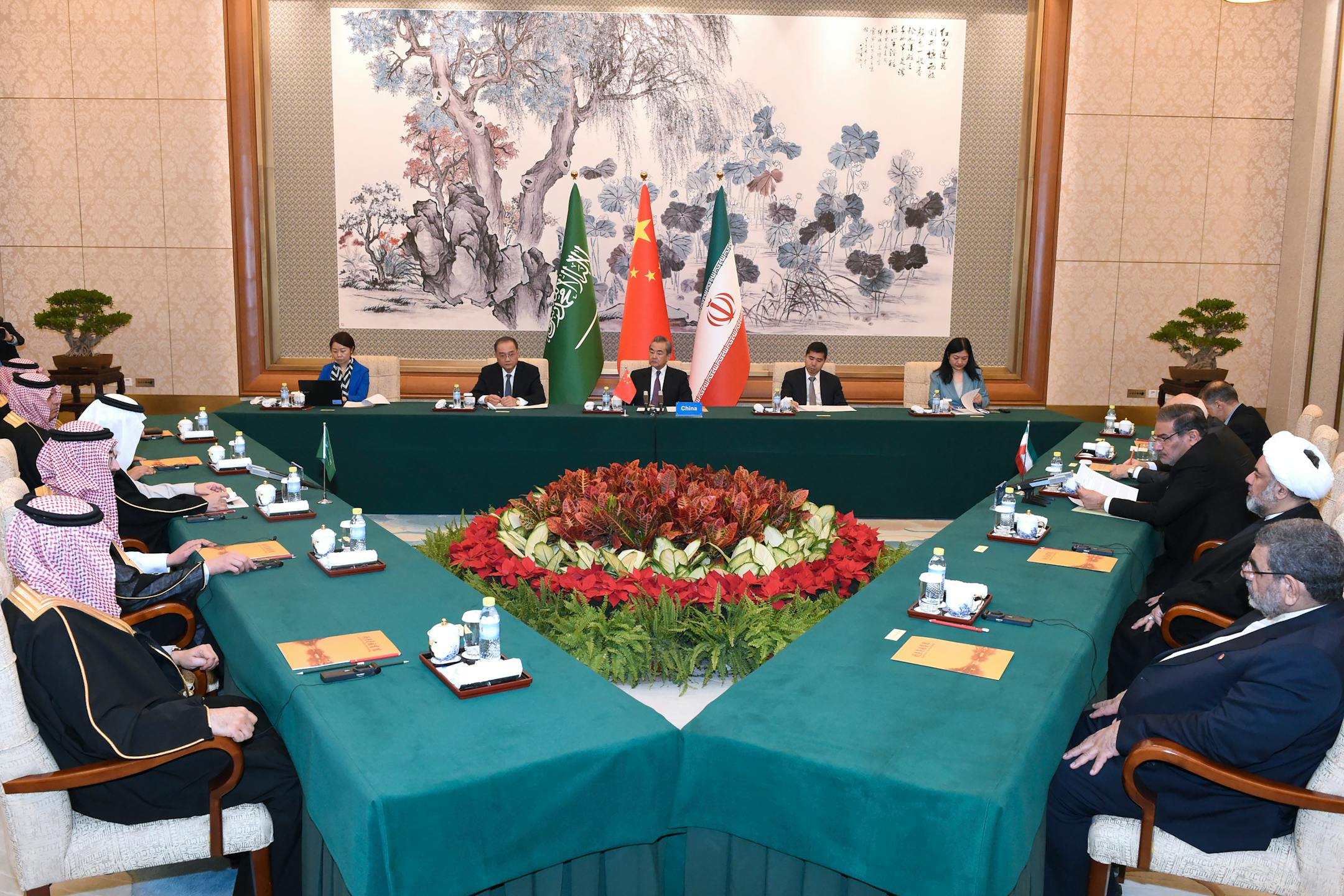
Contrast those alarmist words with a diplomatic event that occurred last week, when Saudi and Iranian officials agreed to normalize relations after a seven-year hiatus. According to public reports, Tehran and Riyadh will reopen their embassies in one another's capitals and exchange ambassadors again. The Iranians promised to stop using their proxies in the Middle East to harass the kingdom, and the Saudis supposedly agreed to clamp down on an overseas television network, Iran International, that has been covering the monthslong anti-government protests with ferocity.
Middle East specialists and other commentators greeted the deal with a sense of relief, as if Iran and Saudi Arabia finally decided to let bygones be bygones after decades in which they were at each other's throats. Others focused less on the agreement itself and more on who brokered it — China.
"The not-so-subtle message that China is sending is that while the United States is the preponderant military power in the Gulf, China is a powerful and rising diplomatic presence," commented Jon Alterman with the Center for Strategic & International Studies.
"China's ambitions to position itself as a credible peacemaker have a broader scope covering conflicts in Syria, Libya, and Yemen, especially after this agreement," Atlantic Council nonresident fellow Ahmed Aboudouh said. "This could be problematic in Washington."
Is the Middle East moving into a golden era of peace and tranquility, as so many seem to suggest? And is China about to displace the U.S. as the region's most important foreign power?


