WASHINGTON - Political Washington reacted with bipartisan outrage Monday to reports that the Internal Revenue Service targeted conservative organizations applying for special tax-exempt status — though questions have been raised about politics and tax status since at least 2006.
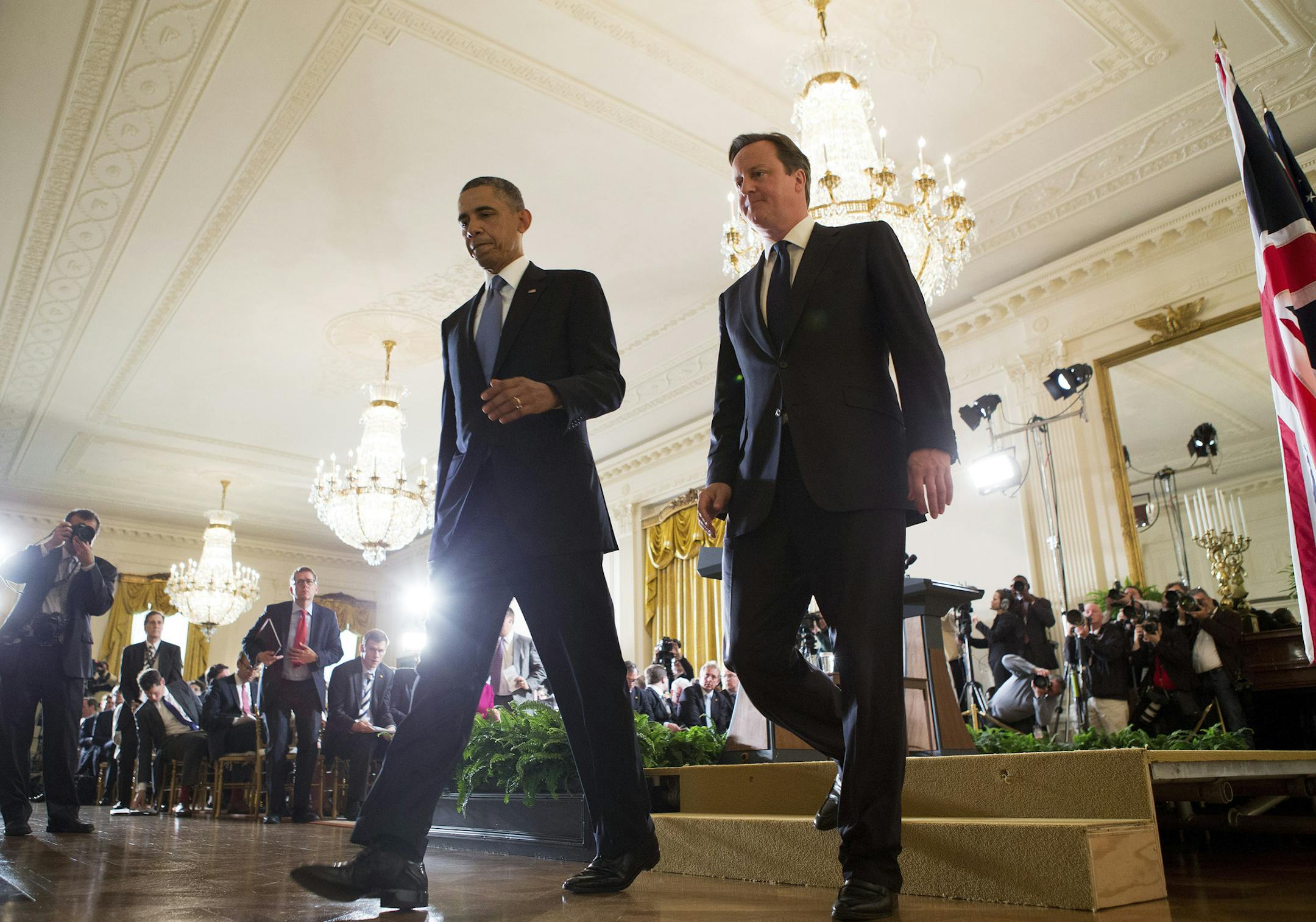
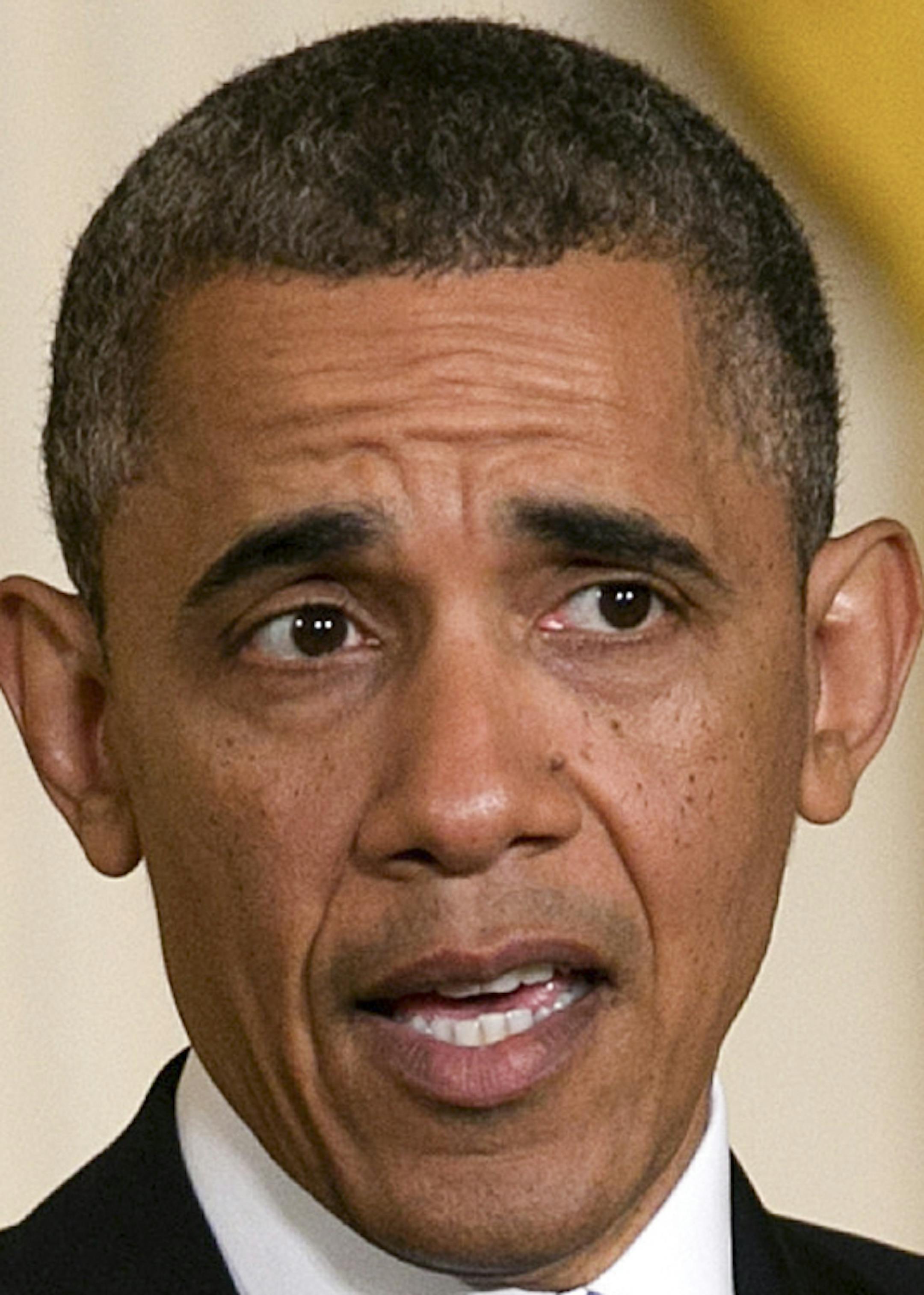
President Obama said it was "outrageous" if true that the IRS gave extra scrutiny to right-leaning groups applying for tax-exempt status. "They have to be held fully accountable, because the IRS as an independent agency requires absolute integrity, and people have to have confidence that they're applying the laws in a nonpartisan way," he said at the White House.
"We need to get to the bottom of what happened here. I want to see all the facts," said Sen. Max Baucus, D-Mont., chairman of the Finance Committee. "The American people have questions for the IRS, and I intend to get answers."
The top Republican on the panel concurred. "Bipartisanship on this issue is critical since both Democrats and Republicans have expressed considerable interest in these matters over the past couple of years," said Sen. Orrin Hatch of Utah.
While the political leaders of the government reacted to the news, insiders noted that there had been complaints about IRS treatment of groups engaging in political activity since at least 2006. Then, it was scrutiny of liberal-leaning churches during the Bush administration. Now, it's the treatment of right-leaning groups during the Obama administration.
"There are Tea Party groups that went out of business because of these [IRS] letters," Tom Zawistowski, the executive director of the Tea Party in Portage County, Ohio, and president of the We the People Convention, told McClatchy. "How do you give [Tea Party and conservative] groups time and effort they put in back? I see a class-action suit."
At issue: tax-exempt status
At issue is a Cincinnati office of the IRS that determines whether applications for tax-exempt status are legitimate.
The "determinations" unit in spring of 2010 began giving special scrutiny to organizations that mentioned Tea Party, patriots or other "take back the country" references in the name. They later extended to groups focused on government spending.