

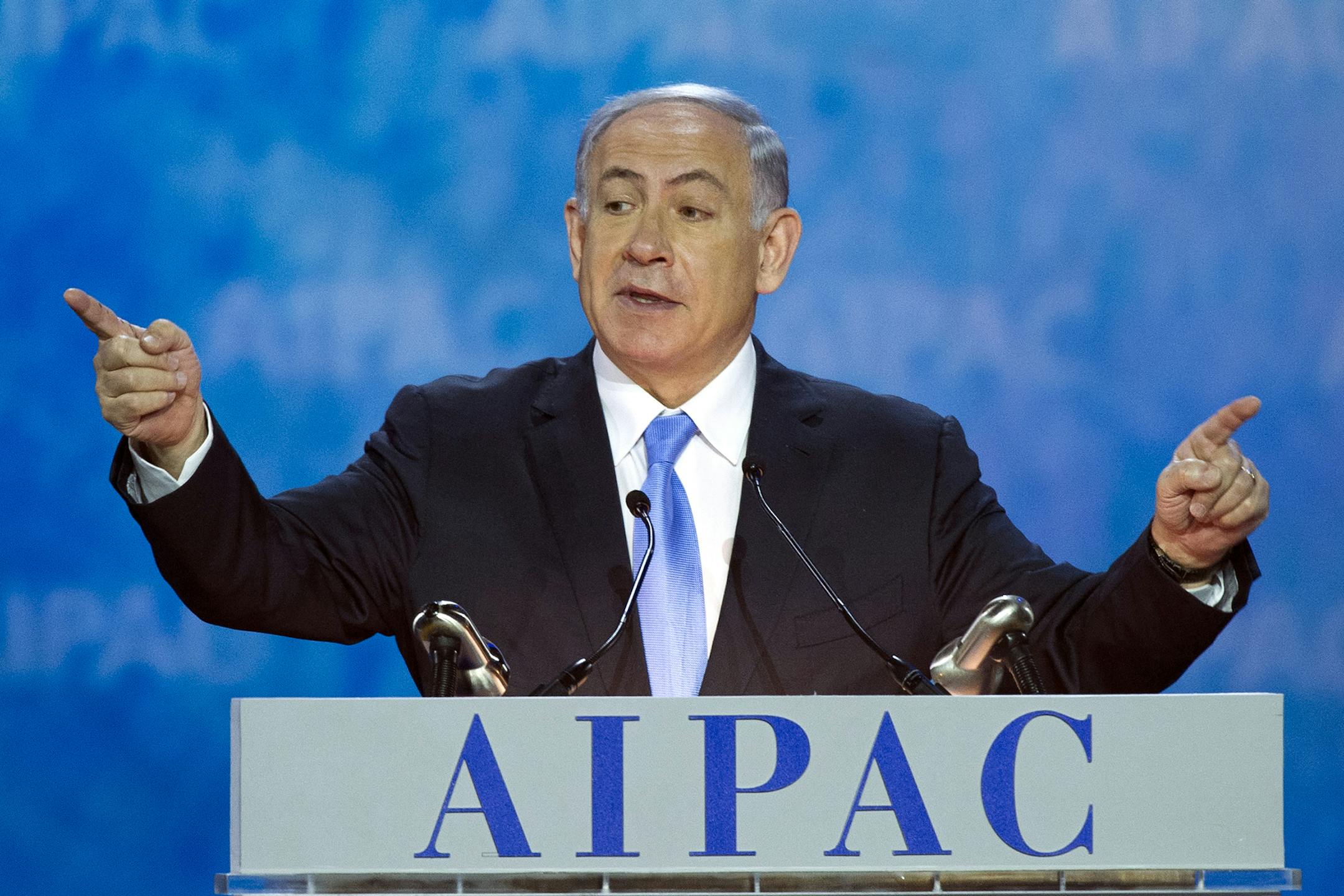
The conflict over the Iran deal has exposed a substantial rift between American Jews and the groups generally known as "the Jewish leadership," "major Jewish organizations" and "influential Jewish organizations." These leaders and groups are not, in fact, leading American Jewish opinion on the Iran deal. They are defying it. They doubtless represent the views of their board members, but those views are at odds with the majority of rank-and-file American Jews, who, in fact, support the deal more than Americans generally.
Many major Jewish organizations oppose the Iran deal. Among the most prominent are the American Israel Public Affairs Committee (AIPAC), the American Jewish Committee, the Anti-Defamation League and the Conference of Presidents of Major American Jewish Organizations. (The Conference of Presidents explicitly states that it "advances the interests of the American Jewish community.") Those who support the claims of AIPAC and its allies that dominate the Conference of Presidents often do not pause to note that the largest American Jewish organization to support the Iran deal, J Street, was denied membership in the otherwise inclusive umbrella body last year.
One of us (Cohen) conducted a poll last month for the Jewish Journal on the Iran accord. This is the only poll of American Jews on the subject to explicitly include Jews with no religion — those who said that, "aside from religion," they "consider themselves Jewish." They were asked their opinion of "an agreement … in which the United States and other countries would lift major economic sanctions against Iran, in exchange for Iran restricting its nuclear program in a way that makes it harder for it to produce nuclear weapons." Of the three-quarters who said they knew enough to offer an opinion on the deal, 63 percent supported it.
Simultaneously, the same polling agency asked the same questions of a sample of all Americans. Of those who said they knew enough, 54 percent supported the deal, while 46 percent opposed it. (Only 52 percent of this total sample said they knew enough.)
The poll asked whether Congress should "vote to approve or oppose the deal." Jews leaned heavily toward approval, 54 percent to 35 percent, with 12 percent undecided. By contrast, the national sample divided 41 percent for vs. 38 percent against, with 21 percent undecided.
Jews support the agreement despite their mixed — even skeptical — views of its outcomes. Asked whether "this agreement would prevent Iran from developing nuclear weapons over the next 10 years or so," just 43 percent were "somewhat" or "very" confident, while 54 percent were "not so confident" or "not confident at all."
So more than three-fifths of American Jews who express an opinion support the deal, compared with a bit more than half of Americans overall. Jews are far more sharply divided over the deal than non-Jews. The old saw "two Jews, three opinions" understates the matter.
But among the official "Jewish leaders," this is hardly the case. AIPAC says that the deal "would facilitate rather than prevent Iran from obtaining a nuclear weapon and would further entrench and empower the leading state sponsor of terror." The American Jewish Committee says the deal creates only "a temporary freeze" on Iranian nuclear weapons. The ADL agrees that it "represents a pause, not a stop to Iran's nuclear weapons quest." None of them offer any plausible alternative means to close the door on that quest.


