Sue Pederson knows that the teenage boys in her treatment program have trouble making conversation. They may not know what to talk about; or once they get started, when to shut up.
That's one of the striking features of people with Asperger's syndrome: they struggle with the social skills that come so naturally to others.
But about a year ago, Pederson, a psychologist, and her colleagues at the Fraser Child & Family Center in Minneapolis found a new way to reach these students -- right through their headphones.
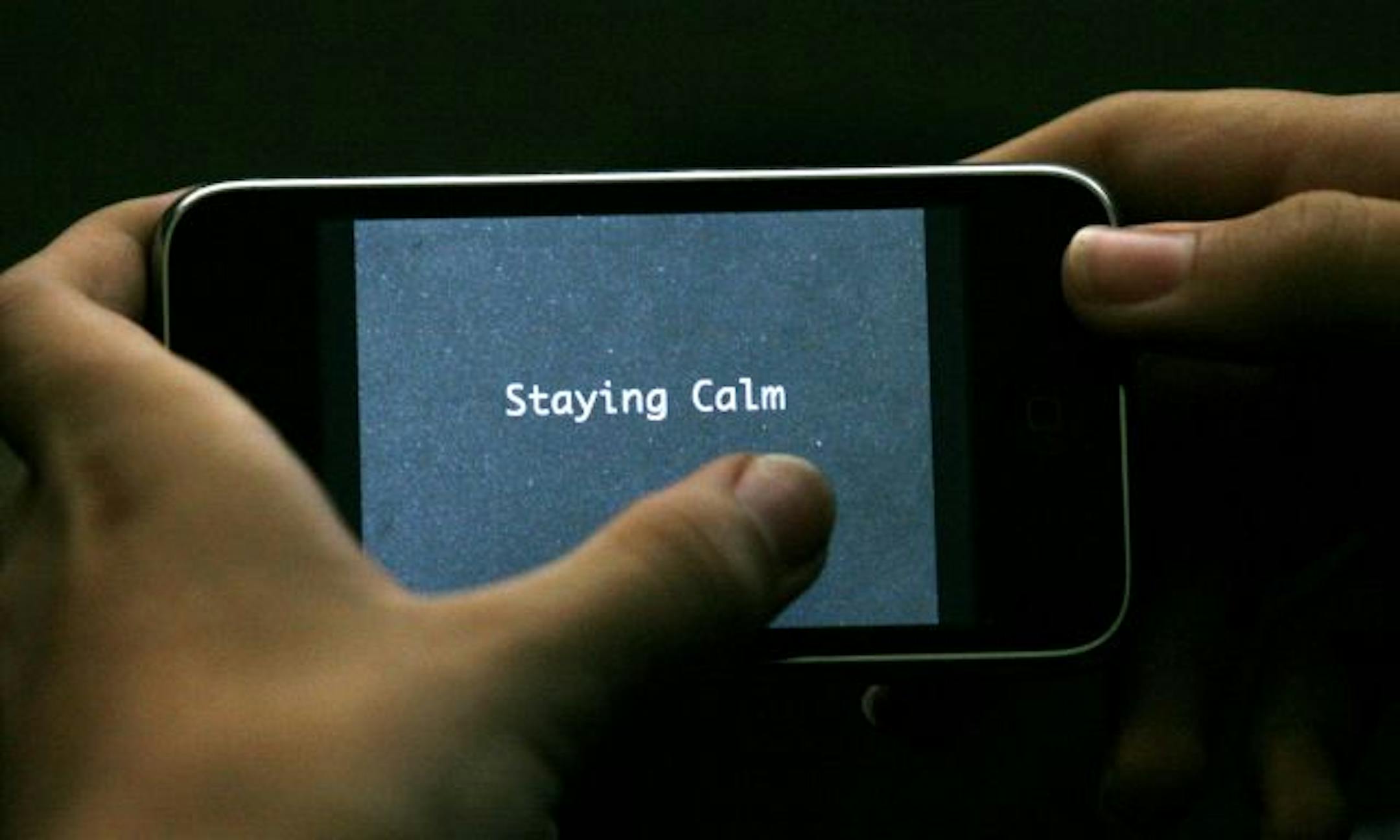
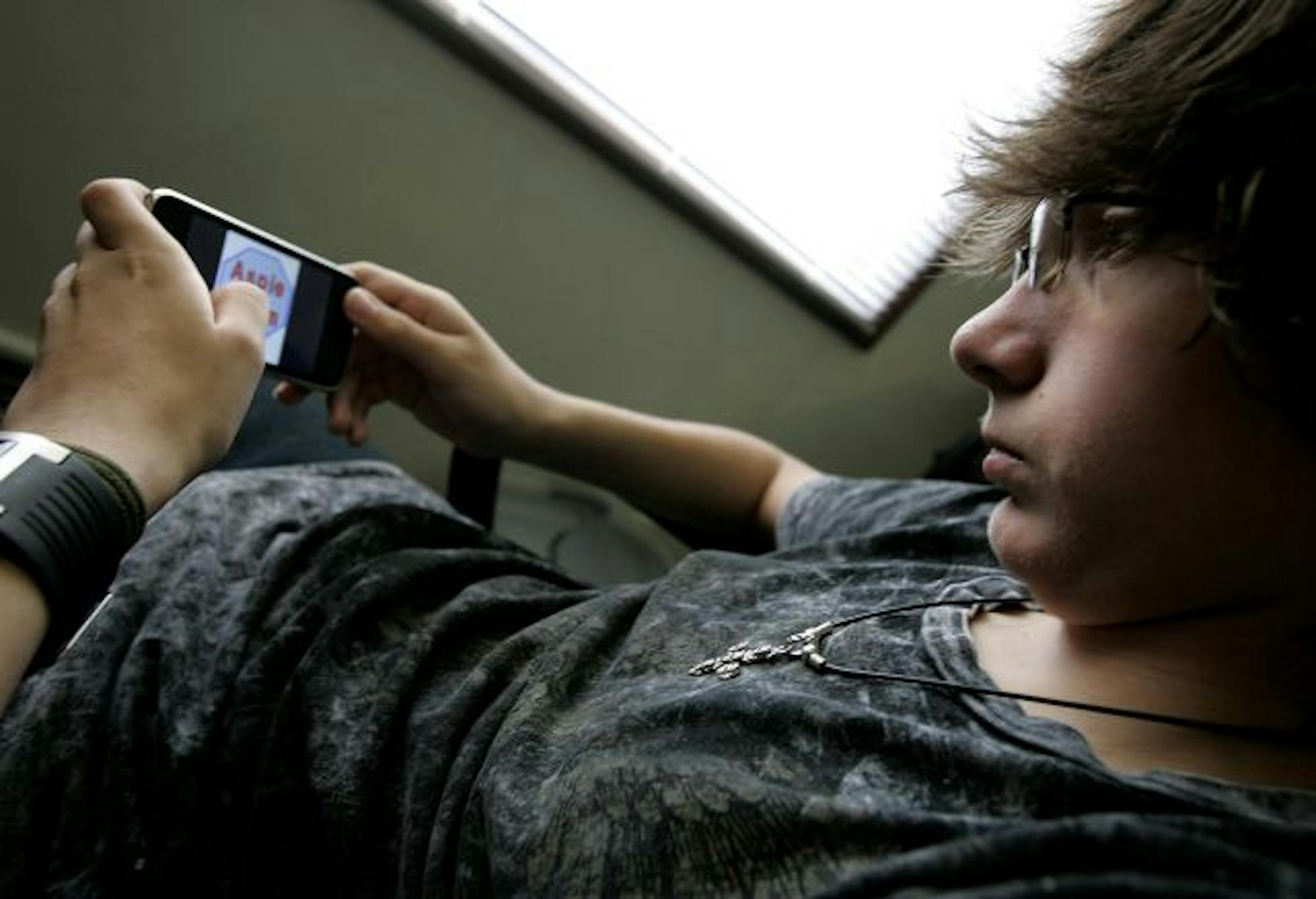
They're using iPods, which play music and videos, to teach them how to fit in.
It may have started out as a form of entertainment, but Pederson says this kind of technology is turning into an unexpected boon for children and teenagers with special needs. The devices, it turns out, can be crammed with the kind of information they need to get through the day. While it's still experimental, she said, "I think it's going to spread like wildfire."
With Asperger's, a form of autism, people lack the inner voice that tells them what is, or is not, appropriate behavior. At Fraser, Pederson's staff came up with the idea of programming iPods to act as an electronic substitute for that missing voice.
In this case, the staff helped students create a series of short videos and slide shows on how to behave in different social settings. Some are barely 30 seconds long: How to carry on a conversation ("Let the other person talk AND change the topic..."); how to respect other people's boundaries, and think before they speak ("Use your filter!")
In the world of special education, these scripts are known as "social stories," used to teach basic social skills. "It's a mental checklist for things to think about when you're interacting with other people," explained Mandy Henderson, who works with Fraser's Asperger's program.