
iPod turns 10 -- for good and bad

Apple's player changed the digital audio landscape. But have convenience and portability made music more disposable?

Chicago Tribune
November 10, 2011 at 1:45AM
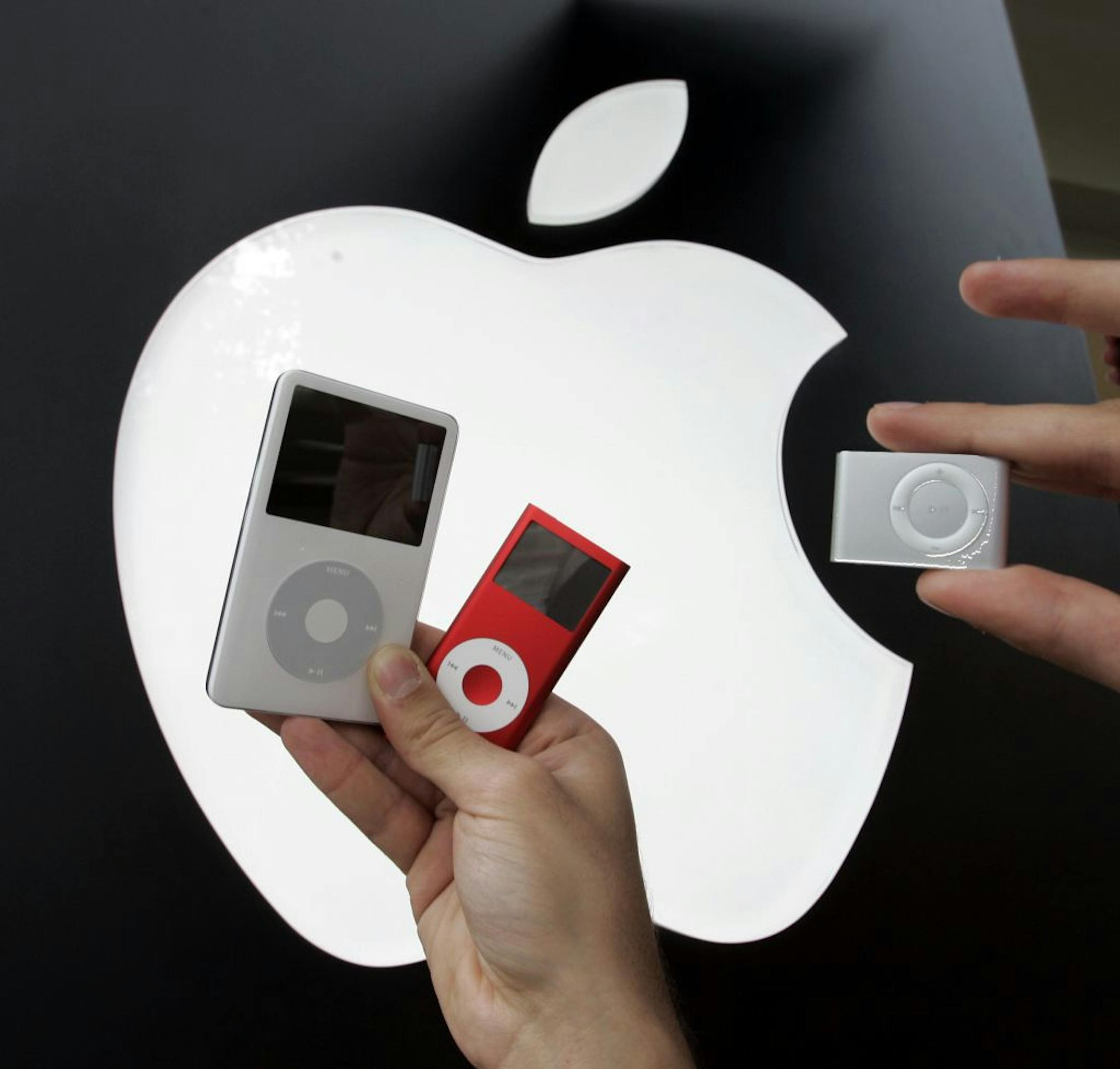
This 2006 file photo shows the then new Apple iPod Shuffle, right, next to a Red iPod Nano, center, and 60GB iPod, left.
This 2006 file photo shows the then new Apple iPod Shuffle, right, next to a Red iPod Nano, center, and 60GB iPod, left. (Associated Press/The Minnesota Star Tribune)

A cultural shift that eventually became a landslide began 10 years ago on Thursday, although almost no one noticed at the time. Apple started selling a portable music player it dubbed the iPod in stores.

After a promising opening quarter in 2002, sales dropped more than 50 percent.

The next year, Apple opened the iTunes digital music store. Even though it held only 200,000 songs, a natural synergy was created with the iPod. Sales of the portable player quadrupled in 2004 to more than 4 million units. The pocket-sized player with the white ear buds was endorsed in iconic TV commercials by bands and artists such as U2, Black Eyed Peas and Coldplay.

Now the iTunes store is the United States' single biggest music retailer, with more than 20 million tracks available and 160 billion songs downloaded since its launch. And the iPod is by far the most popular digital music player, commanding nearly 80 percent of the market and piling up a staggering 300 million sales since 2001.

"Even artists who were longtime holdouts, like the Beatles, are now part of the [Apple] ecosystem," technology analyst Michael Gartenberg says. "They realize this is where consumers are listening to their music and, more importantly, buying their music."

Undeniably, the iPod and iTunes have brought a previously unimagined portability and convenience to music-hungry consumers. But at what price? Has the ease of distributing, listening and replenishing music made it all feel somewhat disposable?

Technological shifts in how music is made and delivered are nothing new. They created entire industries over the past 100 years. The invention of the phonograph led to the rise of record companies, and radio's emergence widened their reach exponentially. The introduction of the cassette and then the compact disc culminated in a $16 billion business by the end of the 20th century, and fueled the rise of portable players such as the Walkman and Discman.

Now the iPod has been central to a new way of making, distributing and listening to digital music. The iPod was not the first portable digital-music player, but it was the one that changed the music business and the culture around it. In a few short years, the ability to pack an entire music collection in a device that fits in your pocket made the rituals of dropping a needle on a vinyl album, rewinding a cassette or figuring out how to strip the cellophane wrapping off a CD seem so quaintly 20th century.

Not that some diehards don't still cling to their turntables and CDs. Vinyl album sales have surged in recent years, driven by connoisseurs, audiophiles and young music listeners longing for a deeper, more tactile connection to the music they love. But digital music files now dominate the retail market.

In the pre-digital music world, acquiring music below the mainstream radar involved something akin to a treasure hunt. If you grew up in a small town or rural area, especially, you often had to chase the music, sometimes taking months or years to find a limited-edition single by a favorite punk band or an out-of-print album by German art-rockers from the '70s.

Now that virtually any song, no matter how obscure, can be located with a couple of clicks, pundits argue that the iPod has become cooler than the music it contained. Consumers fill their sleekly designed, increasingly compact music players with thousands of songs that are continually recycled. The tracks are listened to over marginally adequate ear buds on an inferior format (MP3 and other digital files contain less sonic information than a CD or vinyl album), often to complement other activities.

Despite the emergence of the iTunes store and other online retail music outlets, most music acquired digitally is done through file-sharing. Many first-generation iPod listeners have no problem buying and replacing their iPods, putting hundreds of dollars in Apple's pocket for the hardware. But they fill them with music acquired free through illicit channels, which the music industry says has contributed mightily to its huge revenue losses in the past decade.

Yet in recent years, there are indications that as a wider variety of music has become available at legitimate digital stores, a viable digital music market is finally emerging. Digital album sales increased 13 percent in 2010 and 19 percent in the first half of 2011, and track-equivalent album sales were up 4.8 percent. The latter figure is perhaps the most important in identifying the impact of the iPod/iTunes era on consumer habits; rather than focusing on albums, consumers are now buying digital tracks and singles at an increasingly high rate.

Despite its massive success, the 10-year-old iPod likely won't be around to celebrate its 20th anniversary. Stand-alone portable music players are increasingly being replaced by iPhones, smart phones and tablets, as technology companies strive to serve consumers who increasingly want to access their music through cloud-based streaming services rather than having them tied to their hard drives.

It means that music will be even more widely and instantly available to more people, taking the innovations of the iPod era to another level -- "the paradise of infinite storage," as McGill University Prof. Sandy Pearlman calls it, ultimately with access anywhere, anytime to every song ever recorded at the touch of a screen.

The iPod landslide has only just begun.

about the writer

about the writer

GREG KOT